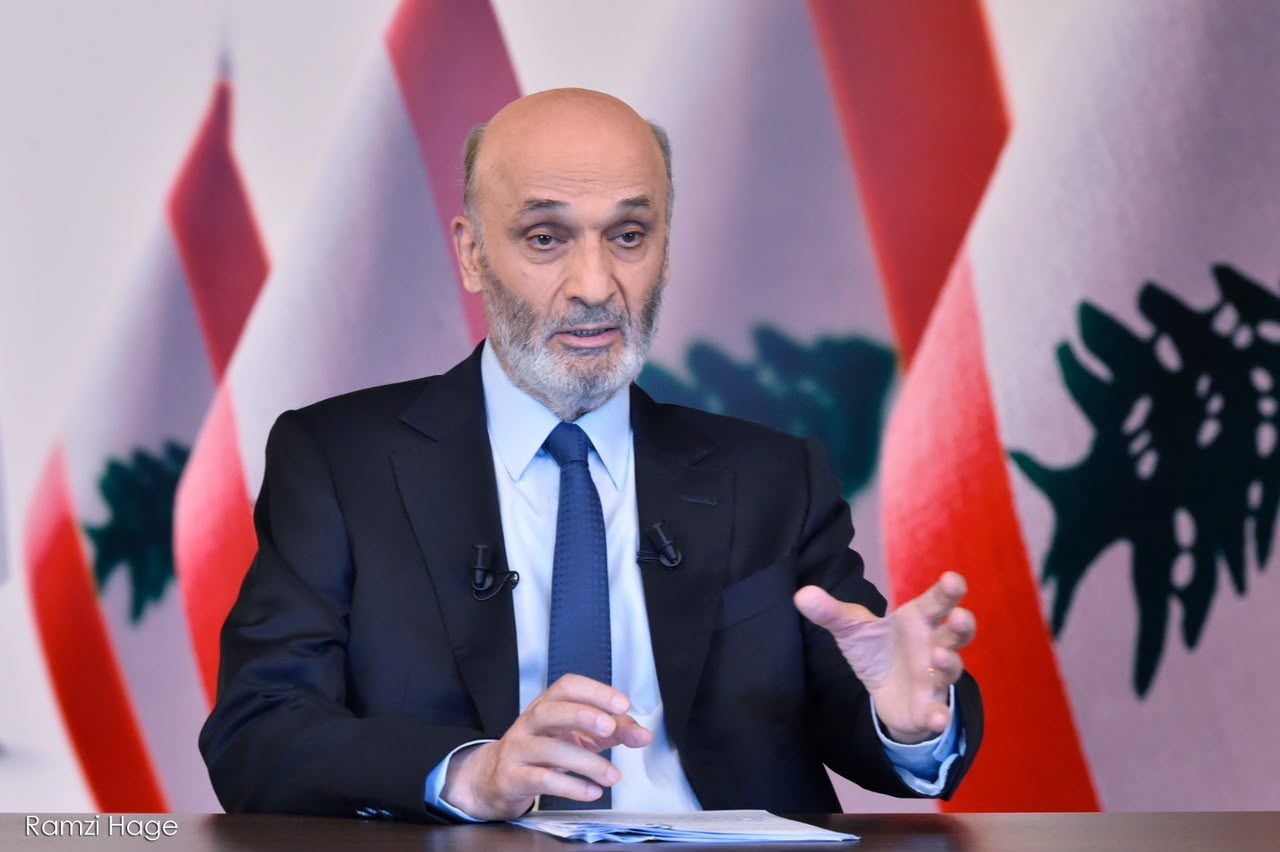
“We want and we are within us”... “Free Patriotic”: The result is “We do not want and we do not have in us”!
14:10 · 03 November 2026
3 min read
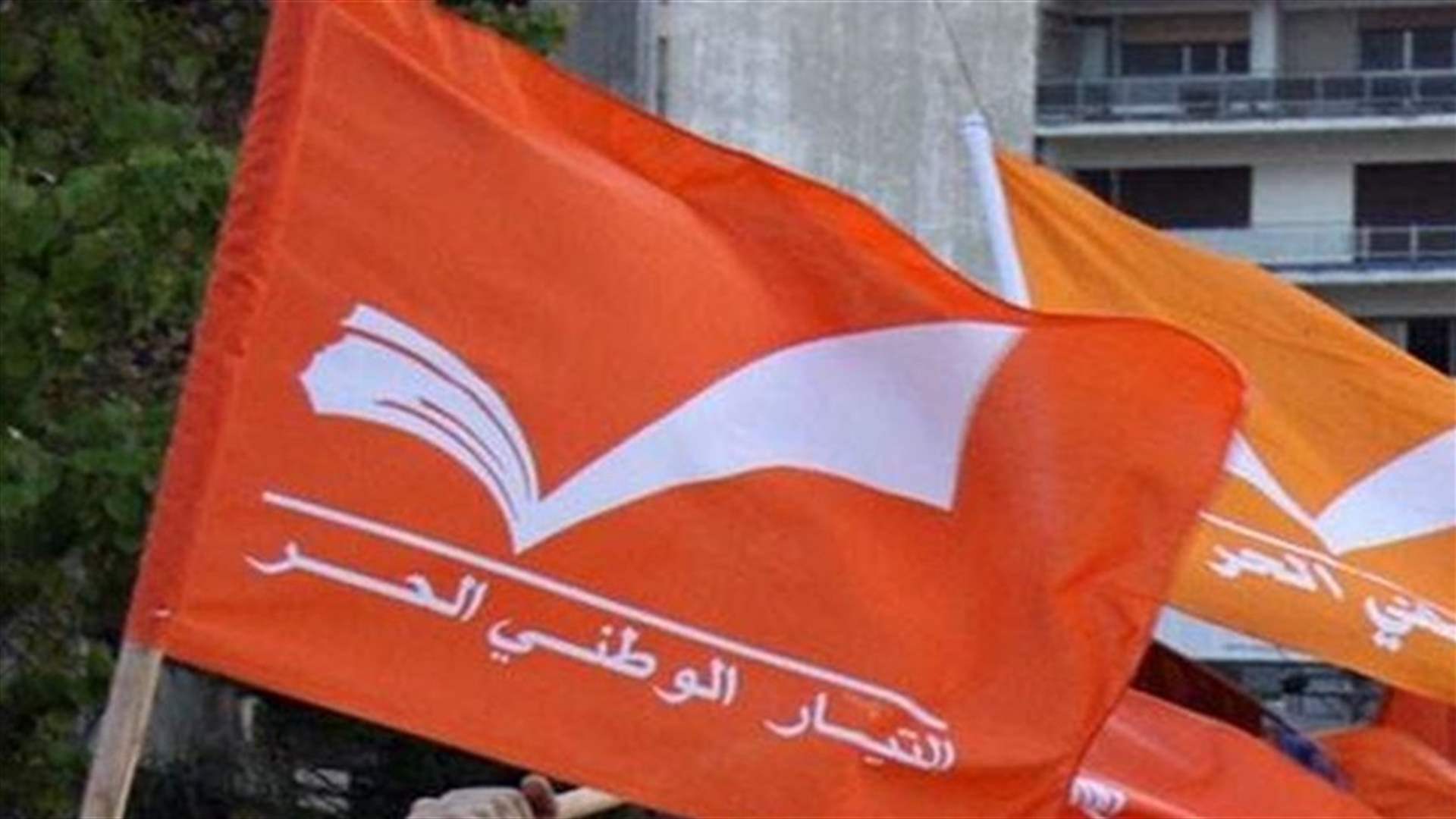
The National Current Authority in Batroun commented on the decision of the Electricité du Liban to cut off power to government institutions that failed to pay dues to the institution.
She said: After the promises to provide electricity 24/24, and after feeding hours decreased and bills and the cost of generators increased, here we are facing a new chapter in the management of the Ministry of Energy and Water during the era of the Lebanese Forces.
On October 23, the Board of Directors of the Electricité du Liban Corporation announced cutting off supply to public departments, institutions, and independent departments, including water departments, as of Monday morning, November 2, with the exception of government hospitals. On Monday morning, the Foundation began updating the subscription regulations in preparation for the cutoff.
She indicated in a statement that the decision to cut off electricity to a number of public departments, institutions, and water authorities in various Lebanese districts, including Batroun district, does not threaten electricity alone, but also puts the provision of water to people at risk of interruption, as a result of the water pumps being affected by the electrical supply. She explained, "The repercussions of these decisions were not limited to water, but also affected communications, after electricity was cut off from the exchanges in the Batroun district, which raises fears that the communications services that citizens depend on daily will be affected, and raises question marks about the repercussions of these decisions on basic facilities and services."
The movement addressed a question to the Minister of Energy, Joe Seddi, saying: “Are the Lebanese now required to pay the state electricity bill, the generator bill, and on top of them the price of the water tanker, while also being left facing the risk of a decline in communications services? Has the management of the Ministry of Energy turned into a series of decisions that increase the burdens on the people instead of reducing them?”
The movement called on the forces, which promised 24/24 electricity, to answer the Lebanese about the outcome of these promises. The minister who announces his support for the cutting decisions must explain where the alternative solutions are, and how he will ensure the continued pumping of water in the affected villages and towns, the continued operation of exchanges, and the provision of communications services to citizens.
The movement refused to let the people of Batroun, like the people of other districts, be victims of decisions that do not take into account their most basic rights. We demand that electricity be restored to water pumps and exchanges, and that citizens be prevented from being charged additional costs for the benefit of the tanker market and water distributors, or exposing them to a further decline in basic services.
To the Party of False Promises, we say: The electricity you promised has not arrived, and water may not become your next victim, just as communications may not become a victim of your decisions. People no longer want promises or justifications, but rather want electricity, water, and communications that work in their homes and areas.
“Give us the Ministry of Energy and see how we get electricity.” And from “We want and we have it” to darkness instead of electricity, thirst threatening people, and communications and the Internet threatening to be cut off!
You promised a lot, but the result revealed the truth: “We did not want to and we did not have it!”
More from:
Batroun news
← Previous article
Salam: The rights of people with disabilities are a test for the state
Related Articles
Hezbollah responds to Yemeni allegations: Baseless
“A threat to national security”... The Lebanese Forces demand that the explosives file be referred to the Judicial Council
Bassil warns of an internal explosion... and calls on Hezbollah to avoid war