Salam: Public transportation touches the life of every citizen... and a painter reveals a network of 54 routes and 300 buses
11:40 · 23 October 2026
2 min read
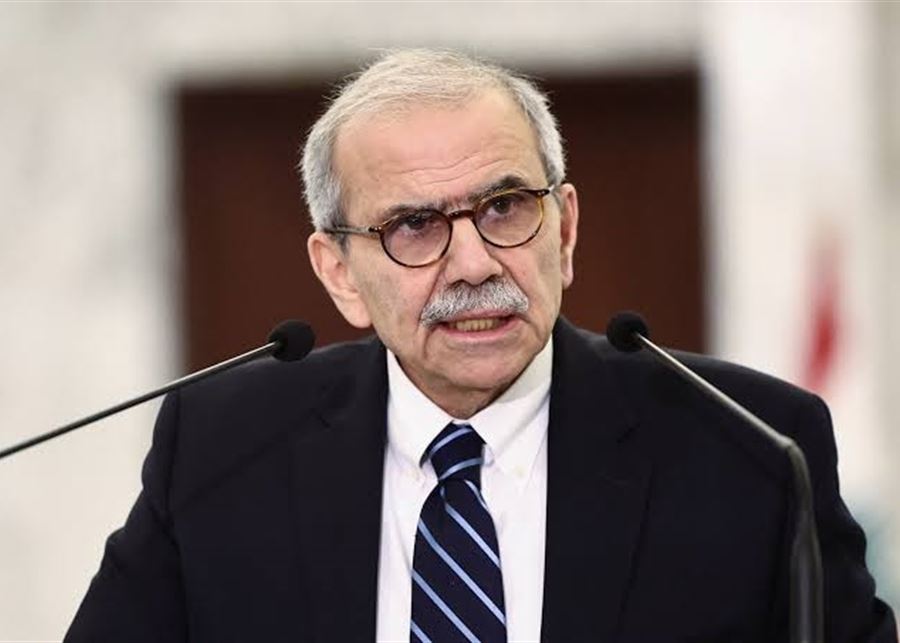
Prime Minister Nawaf Salam stressed, during the meeting “Towards Developing Public Transport in Lebanon,” that the development of public transport in Lebanon affects the life of every citizen, pointing out that the traffic crisis was considered for a long time to be fate, while the main problem lies in the absence of an alternative that allows the citizen to dispense with his private car.
Salam pointed out that the public transportation crisis is directly reflected in the cost of living, as fuel, maintenance, and transportation allowances drain a large portion of citizens’ income, at the expense of their ability to secure their basic needs, especially food, hospitalization, and education.
He stressed that the state's responsibility lies in providing available and reliable public transportation that citizens can rely on for their daily transportation, warning that excessive use of private cars increases fuel consumption and air and noise pollution, affecting citizens' health.
For his part, Minister of Public Works and Transport, Fayez Rasamni, stressed that shared transportation has become a necessity that cannot be postponed, noting that the ministry has restarted shared transportation services and is working to gradually expand them, in light of the presence of actual demand for organized transportation.
He pointed out that the cost of transportation is no longer a passing detail in a citizen’s life, but rather has become an increasing burden, stressing that experience has proven that partial and temporary solutions are not sufficient unless accompanied by the development and promotion of shared transportation.
He pointed out that cooperation between the public and private sectors is capable of achieving tangible results, explaining that the goal is to build an integrated transportation system that responds to the needs of the various Lebanese regions.
Rasamny revealed the aspiration to establish a shared transportation network that includes 54 routes and 300 buses, stressing that the success of the project requires cooperation, sending a message to international partners that the state is committed to assuming its responsibilities in this field.
In this story:
Nawaf Salam
← Previous article
“I am fed up with this kind of thing.” Geagea: The Dahr al-Baydar explosives threaten national security.