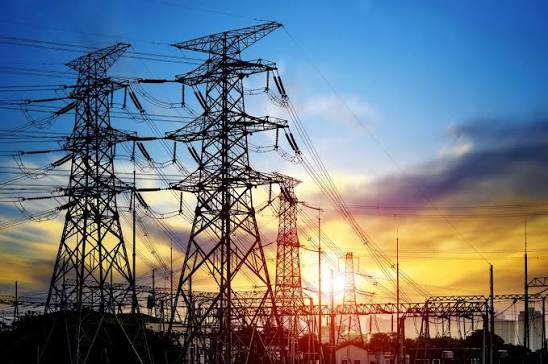
The Ministry of Energy responds to the Air Transport Association: Cutting off electricity is not an arbitrary measure
12:50 · 31 October 2026
2 min read
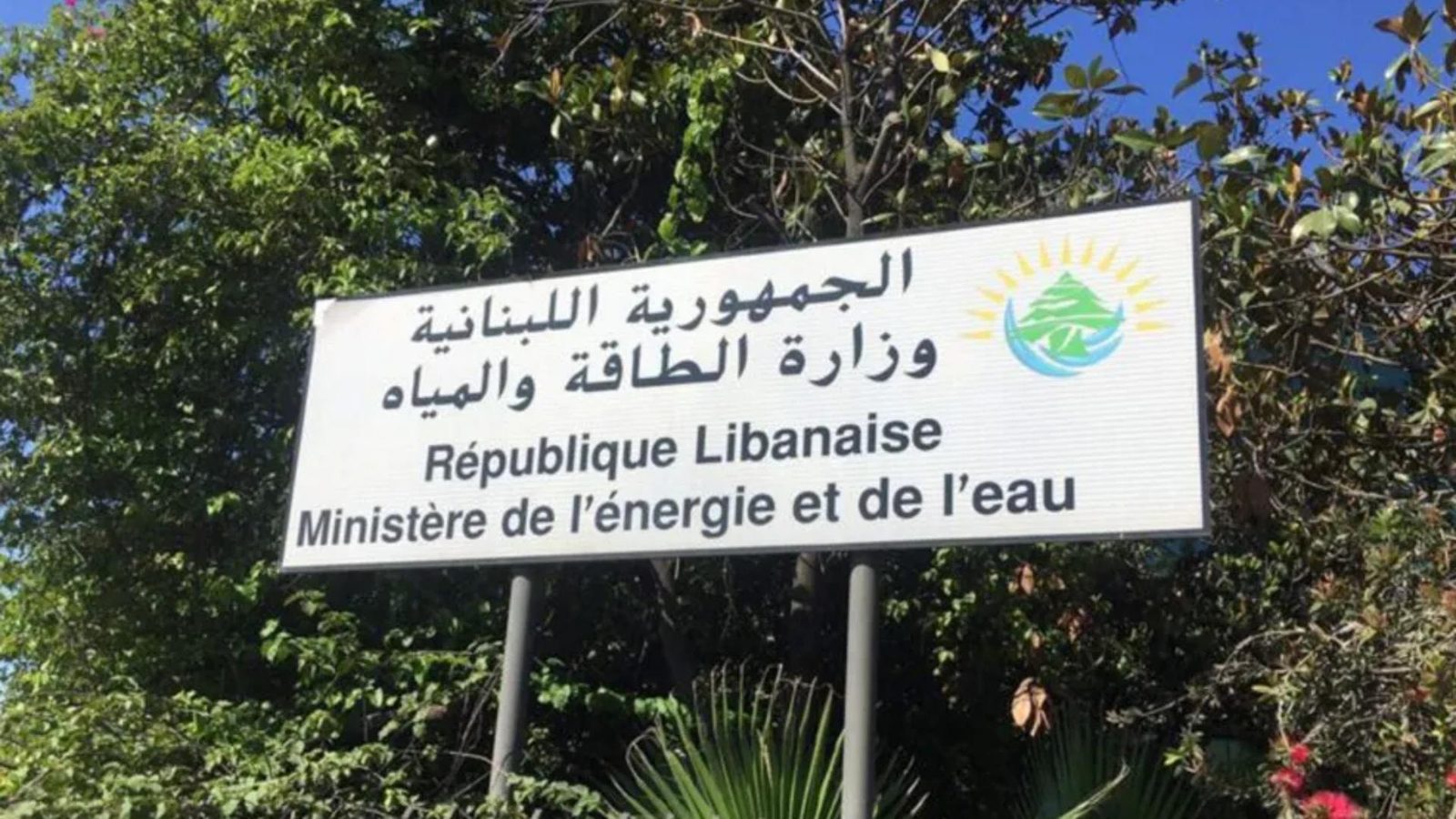
The Ministry of Energy and Water expressed in a statement its deep regret over the inaccuracies, accusations and slanders contained in the statement of the Lebanese Air Transport Association (UTA) against the Ministry, in an attempt to justify the failure of Rafic Hariri International Airport - Beirut to pay the bills it owes to the Electricité du Liban Corporation.
She stressed that the decision to cut off electricity supply to entities that defaulted on payment is not an emotional reaction, nor a punitive or arbitrary measure, as the statement attempts to portray. She explained that the decision was not taken until weeks and months after repeated invitations sent by the Minister of Energy and Water, Joe Al-Saddi, and the Board of Directors of the Electricité du Liban Corporation to all concerned parties, urging them to assume their responsibilities and pay the financial dues owed to them.
The Electricité du Liban had set the morning of Monday, November 2, 2026, as a date to cut off power to public departments, institutions, and independent departments that are behind on payments, with the exception of government hospitals. The amount owed to the General Directorate of Civil Aviation is approximately $22.8 million.
The power had been cut off from the airport on the morning of Wednesday, October 28 [2], but a source in the corporation denied to L'Orient Today that the interruption was intentional, and the power was restored on Wednesday evening itself, according to what was confirmed by the airport's general director, Mohamed Shatila, who believed that the outage might be a warning from the corporation.
The Ministry of Energy and Water stressed that the problem is not with Rafic Hariri International Airport, which constitutes Lebanon’s gateway to the world and a vital facility for the national economy, but rather with the principle of evading financial responsibilities and obligations. She stressed that the demand to assume responsibilities and pay dues is not a threat, targeting, or malicious measure, but rather a legal and financial duty and a basic condition to ensure the continuity of the public facility and the regularity of its services.
More from:
Beirut news
← Previous article
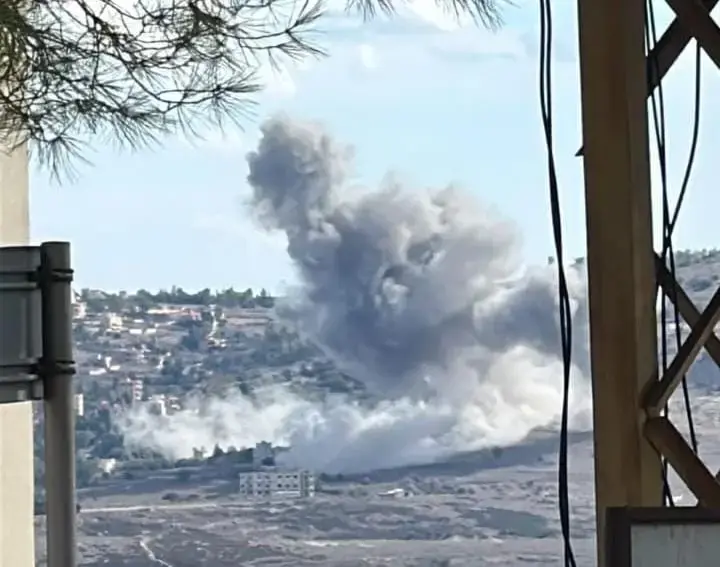
An Israeli incursion into the south... and Israeli raids on Hadatha and Kafr Benit
Related Articles
Electricité du Liban: Re-supplying institutions that have defaulted on payment is conditional
The Ministry of Energy responds to “Al-Tayyar”: The additional credit is to pay electricity dues, not a debt
Communications refers electricity bills to finance and reveals what remains of them