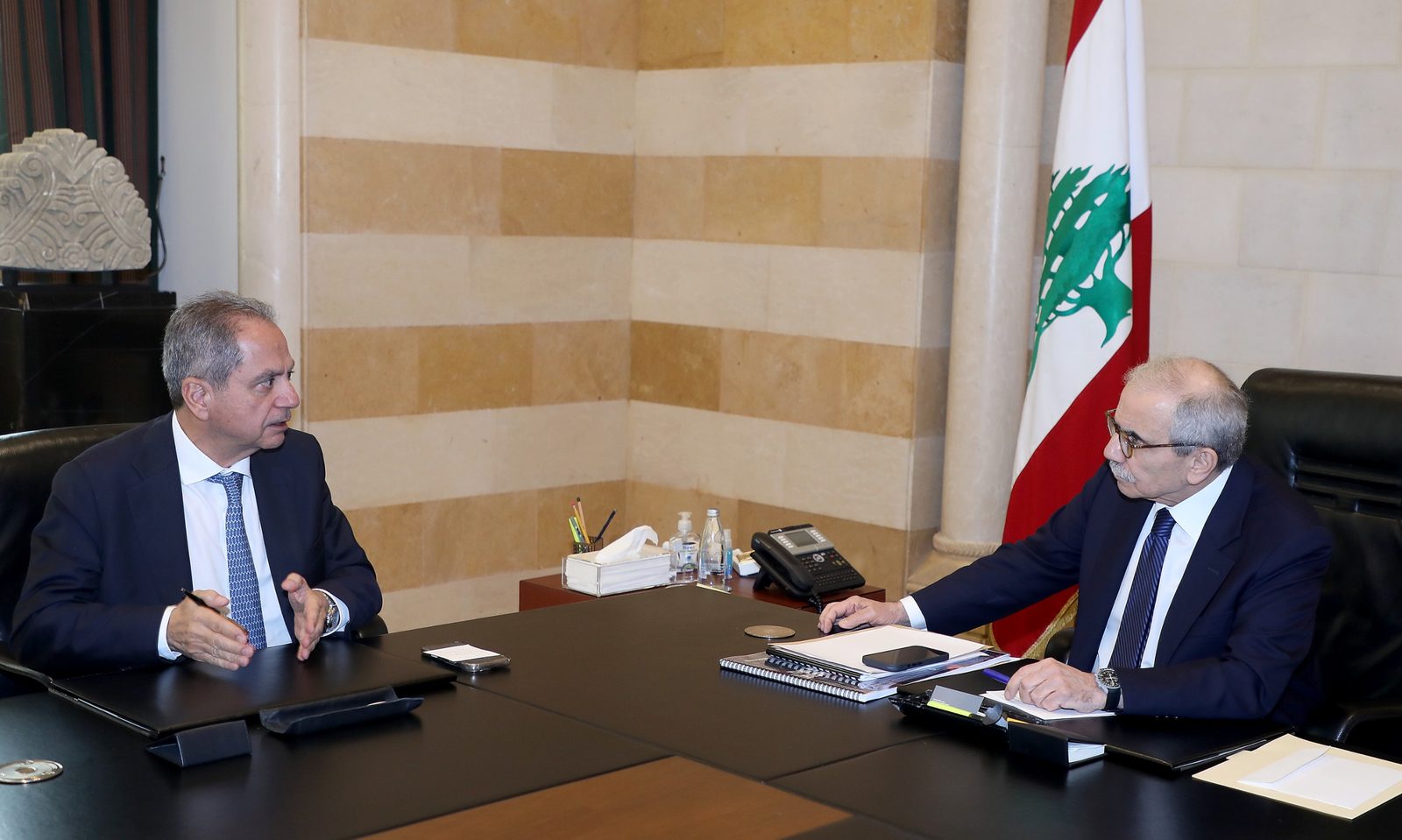
Geagea on the electricity crisis: It should not be treated as a passing technical problem
10:06 · 09 October 2026
3 min read
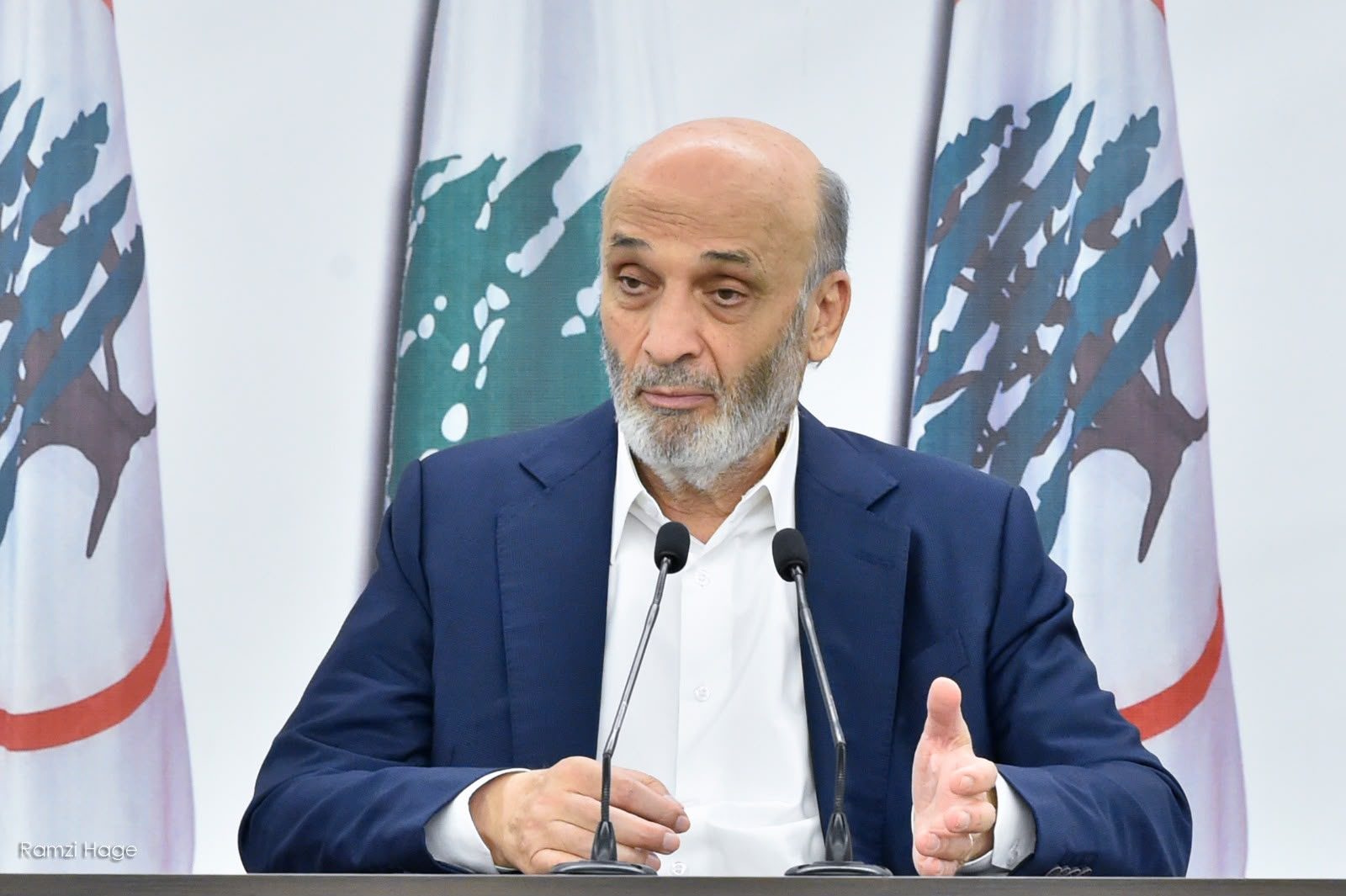
The head of the Lebanese Forces Party, Samir Geagea, considered that the crisis that the electricity sector is witnessing today cannot be shortened by a decrease in feeding hours, indicating that it should not be treated as a passing technical problem that can be carried over from one government session to another.
Geagea stressed that what is happening has become an actual test of the ability of the state and the government to move from the stage of diagnosing the crisis, which has lasted for decades, to the stage of making the decisions required to address it.
He stressed that what is required today is decision and implementation, no more shifting of responsibilities, pointing out that the electricity crisis can no longer tolerate the policy of time management, because every day of delay means fewer hours of state electricity, an additional step towards total darkness, a larger bill for generators, and an additional cost on families, institutions and the Lebanese economy.
Commenting on the Minister of Energy and Water, Joe Seddi, announcing his retirement from attending Cabinet sessions, Geagea said that the basic problem is known, which is that Lebanon does not have sufficient production capacity, while the currently existing factories only provide about a third of the country’s energy need.
He pointed out that this reality is not the result of recent months, but rather the result of the accumulation of long years during which the required investments were not completed.
He added that a different path has been set since Al-Saddi assumed the Ministry of Energy and Water, based on rebuilding the sector on clear institutional and economic foundations, foremost of which is implementing the law, activating the regulatory body, reorganizing the distribution and collection sectors, and opening the way for the private sector to invest in production.
Geagea pointed out that the almost doubling of the price of imported fuel for electricity production in recent months reflected a decline in the quantities that the Electricité du Liban can purchase with the same revenues.
He explained that this explains the decline in nutrition after it had reached about seven or nine hours a day last February, without a treasury advance or new debt, before the significant increase in fuel prices led to a decrease in the ability to purchase fuel and a decline in feeding hours to low levels.
Regarding the issue of tariffs, Geagea considered that the moving tariff proposal is not an accounting detail nor an arbitrary increase imposed on citizens, but rather a mechanism that links the cost of electricity to the cost of its production, such that the tariff rises with the rise in fuel prices and decreases with their decline.
He pointed out that the comparison should not be limited to the Lebanese electricity bill before and after the tariff amendment, but rather to the total cost that the citizen pays to obtain electricity from the state and private generators together.
He added that the numbers presented by the Ministry of Energy show that every additional hour of public feeding could reduce the total amount the Lebanese pay to generators by tens of millions of dollars per month, considering that increasing feeding does not only mean improving the service, but rather a direct reduction in the cost borne by families and institutions.
In this story:
Samir Geagea
← Previous article
Decrease in fuel prices
Related Articles
The Board of Directors of “Electricité du Liban”: From day one, we have been seeking to improve nutrition
Salim Aoun: The solution to the electricity file will not be achieved by the Minister of Energy
Al-Saddi: A meeting was held on Friday to discuss ways to increase electricity supply to citizens