School fees... between the increase, censorship, and parents' objections
07:40 · 06 October 2026
3 min read
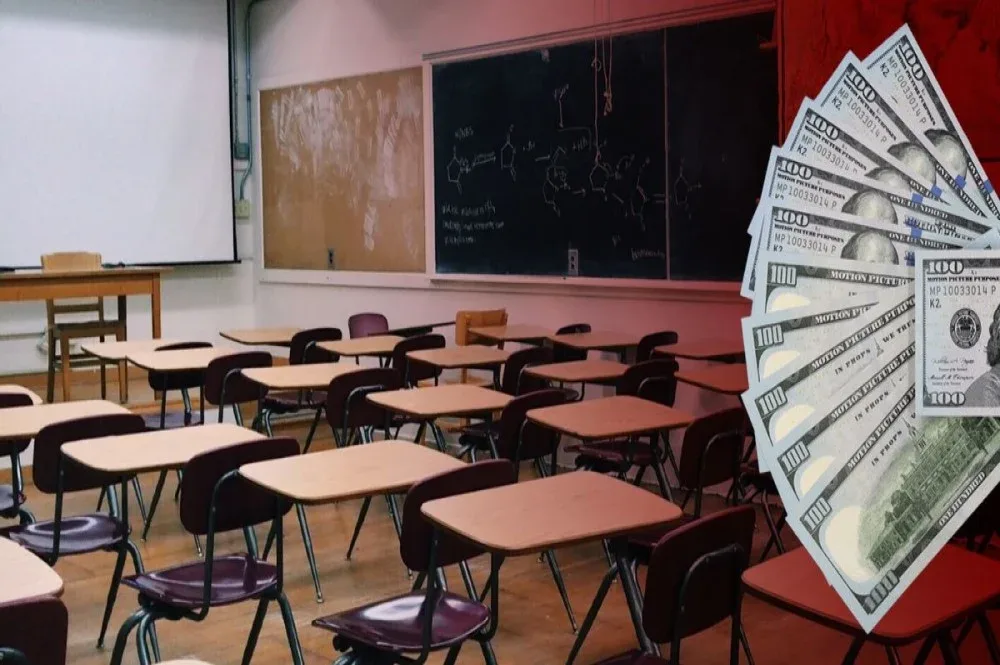
With the beginning of the new school year, school fees have returned to constitute an additional burden on Lebanese families, in light of the continuing living pressures and high cost of life, which raises increasing questions among families about the justifications for the increases and their ability to bear them.
With the rise in costs and the intensification of crises, the objections of families are no longer limited to the size of the increase in tuition fees, but also include the mechanisms for calculating them and the extent of their connection to the actual needs of schools, at a time when educational institutions seek to reconcile the increase in their expenses and maintain the continuity of the educational process.
The Secretary General of Catholic Schools, Father Youssef Nasr, confirmed in an interview with the “Echo Watan” website that the tuition fees for the 2026-2027 academic year will be “realistic and thoughtful,” explaining that “there will be no increase except for what is a basic and urgent need,” including what is related to the cost of living and the increase in transportation allowances and operational costs.
As for the Ministry of Education, it announced the adoption of an electronic program to monitor school budgets. The Director-General of the Ministry, Imad Al-Ashqar, confirmed in an interview with EcoWatan that an application has been activated that allows auditing of budgets, noting that the program adopts artificial intelligence techniques and can analyze increases and verify the extent to which they are linked to correct data, especially with regard to teachers’ salaries.
On the other hand, the parent committees stressed the need to scrutinize school budgets before approving any increase, calling for activating the role of supervisory authorities and resorting to arbitration councils when needed.
The head of the parents’ committees, Lama Al-Taweel, confirmed that any increase approved before studying the budget at the end of the year is considered an illegal increase, noting that parents pay thirty percent of the value of last year’s installment in the first semester, until the budget study is completed.
She pointed out that the financial committee in the Parents Committee, when studying the budget, is responsible for verifying whether the increases are legal and justified, and in this case they are approved. If the committee does not approve of the budget, the legal process begins, as the committee refuses to sign the budget and submits an objection to the Department of Special Education and the Educational Judiciary.
Between the schools’ justifications, the families’ objections, and the Ministry of Education’s procedures, the school tuition file remains one of the most prominent issues that is renewed at the beginning of each school year, amid a constant attempt to achieve a balance between the rights of teachers and the needs of educational institutions on the one hand, and the ability of parents to bear the financial burdens on the other hand.
The question remains: Will oversight succeed in controlling the increases and achieving this balance, or will private education gradually turn into a burden that only limited categories of Lebanese can bear?
Written by
فادي الماحولي
Source
إيكو وطن
← Previous article
Salam discusses the situation in the south and support for the return of the people... and a meeting to develop Beirut Airport