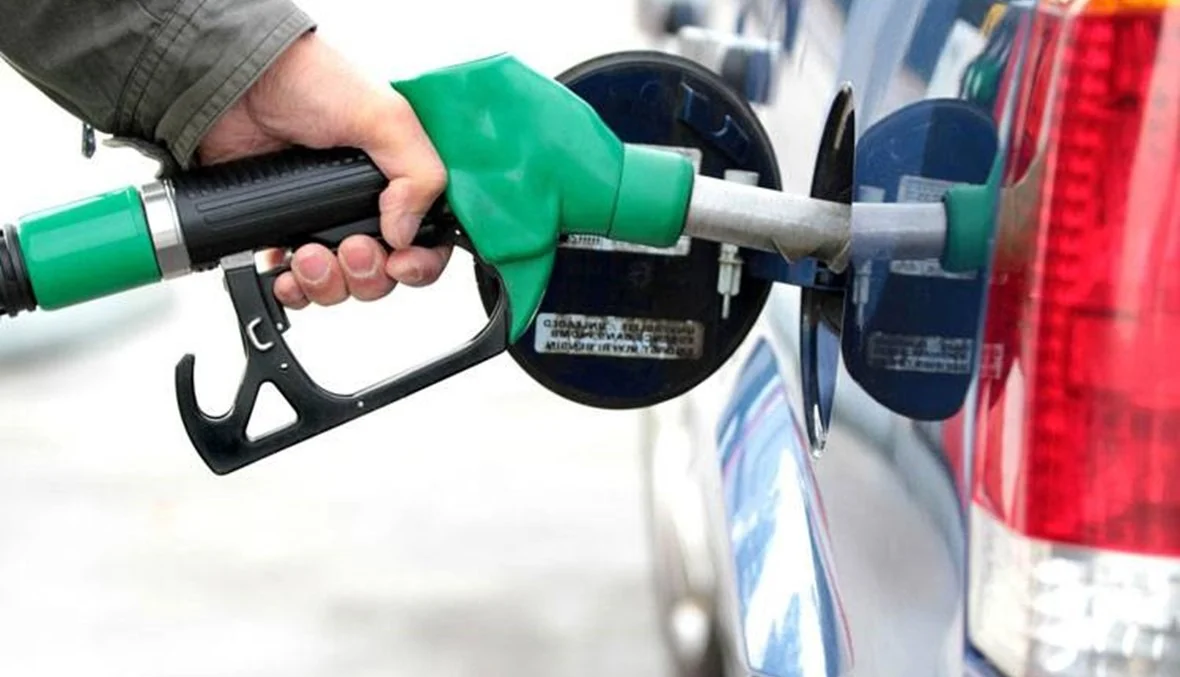
Al-Basat: The increase in diesel does not justify the increase in generator prices
14:11 · 04 September 2026
5 min read
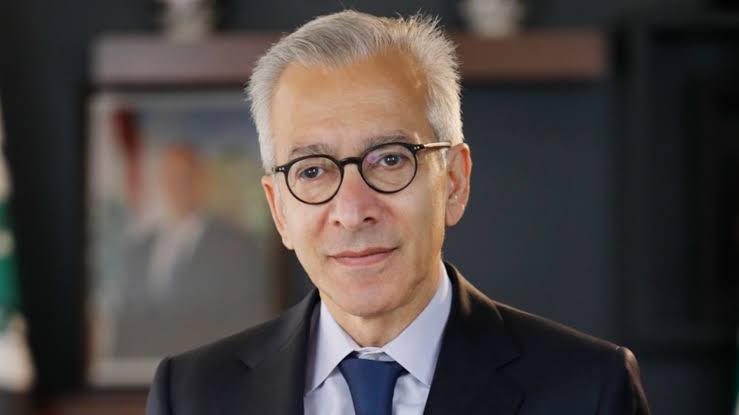
Prime Minister Nawaf Salam chaired a meeting at the Grand Serail at 12:00 PM today, dedicated to discussing the situation of private electric generators, the rise in bills, and ways to strictly crack down on violations. The meeting was attended by Minister of Economy and Trade Dr. Amer al-Bsat, Minister of Energy and Water Joe al-Saddi, State Prosecutor at the Court of Cassation Judge Ahmad Rami al-Hajj, Director General of State Security Major General Edgar Lawandous, Head of the Information Branch Brigadier General Mahmoud Qabersli, Beirut Police Commander Brigadier General Imad al-Jamal, Director General of the Ministry of Economy and Trade Dr. Mohammad Abou Haidar, and Major Rami Shuqair representing the Information Branch.
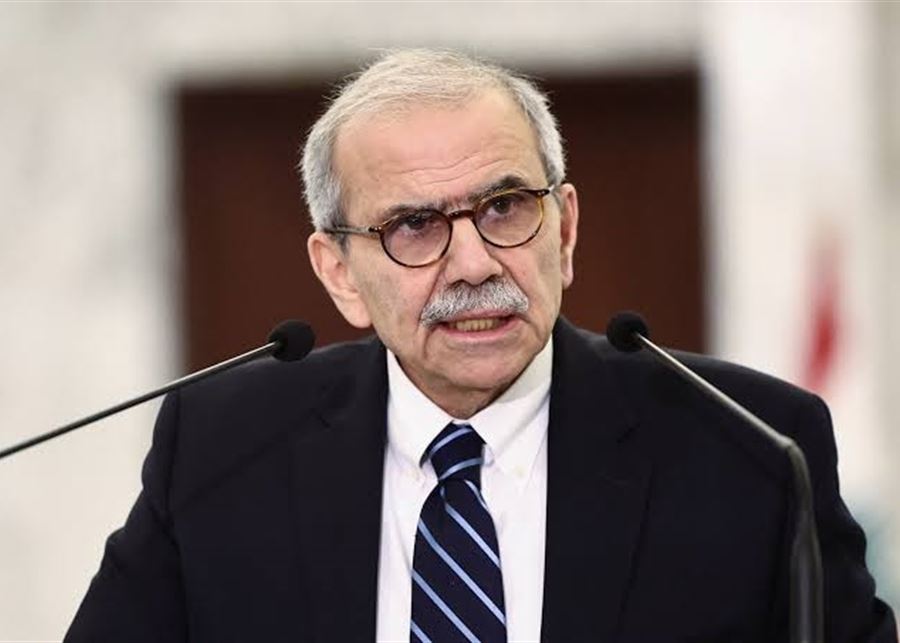
Following the meeting, Minister of Economy and Trade Amer al-Bsat read the following statement issued by Prime Minister Dr. Nawaf Salam:
"We are well aware of the burden borne by Lebanese families as a result of the steep rise in generator bills, particularly during the summer months due to the heat and the need for air conditioning.
And we do not ignore economic realities. Global gas oil prices witnessed a sharp rise over the past weeks, and the price of low-sulfur refined diesel in the Mediterranean market rose significantly during July and August, exceeding $1,300 per ton in late
This rise was reflected in prices in Lebanon, where the price of a 20-liter canister of gas oil rose from about 1,780,000 LBP on July 7 to about 2,399,000 LBP on August 21, an increase of about 35 percent. The official tariff per kilowatt-hour for generators in coastal and densely populated areas also rose from 40,746 LBP in July to 48,241 LBP in August, an increase of more than 18 percent.
Therefore, we know there is an actual and justified increase in cost. But we also know there are unjustified increases.
The rise in the price of gas oil gives no one the right to exploit people's need for electricity, nor does it justify violating the official tariff or imposing illegal additional fees and charges. The tariff issued monthly already takes into account the cost of gas oil, operation, maintenance, and the profit margin.
We have applied a clear model for dealing with violations in Tripoli and Al-Mina, through cooperation between the Ministry of Economy and Trade, security agencies, local authorities, and the judiciary, where violation records were drawn up and measures were taken against violators, reaching the point, where the law so required, of confiscating generators and handing them over to local authorities to ensure the continuity of service to citizens.
Today, we have decided to generalize this mechanism across all Lebanese territory.
The Ministry of Economy and Trade and the Directorate of Consumer Protection will intensify inspection, monitoring, and violation-recording operations. We have agreed on a direct working mechanism between the ministry, local authorities, public prosecutions, and security agencies, ensuring a swift transition from recording a violation to referring it to the judiciary, issuing the necessary judicial directives, and executing them, up to, when legal conditions are met, seizing and confiscating generators.
When a generator providing power to a specific area is confiscated, coordination will take place with the competent local authority to take it over and ensure service continuity, so that the citizen does not pay the price for the generator owner's violation. Governors, district commissioners, and municipalities will also have a direct role in applying this mechanism across the entire Lebanese territory.
And I want this to be clear: The official tariff is not a suggestion. Adherence to meters is not an option. No one has the right to add fees and charges of their own to the citizen's bill.
We will not be satisfied with warnings or violation reports that remain unimplemented. What is required is a clear and swift sequence: inspection, violation report, judiciary, judicial directive, and execution.
Whoever believes they can exploit people's need for electricity, or that the state will turn a blind eye to violations, is mistaken. We are on the lookout, and the law will be applied to everyone.
At the same time, we must be clear with the Lebanese people: This is a chronic problem older than this government, and it cannot be sustainably resolved except by reforming the electricity sector.
Our government has placed the electricity sector on the path of reform, and work has begun to reduce waste, enhance collection, and develop transmission and distribution networks. But reforming a sector whose crises have accumulated over decades, increasing production, and improving power supply takes time for its results to appear.
The private generator is a result of the electricity crisis, and it cannot be a permanent alternative. Therefore, we are working in parallel to reform the sector to reach a sustainable solution, and to protect people today from exploitation until public supply improves.
The state's responsibility is clear: to protect the citizen, secure their needs, apply the law, and hold violators accountable. This is what we have started, and this is what we will continue.
I call on citizens not to hesitate to report any violation, and to submit their complaints to the Ministry of Economy and Trade via the 'MOET Digital Services' application or the consumer protection electronic platform, or by calling the 1739 hotline. Every documented complaint helps state agencies take action and hold violators accountable."
In this story:
Nawaf Salam
More from:
Beirut news
← Previous article
Katz: Israeli forces will not withdraw from Ali Al-Taher
Related Articles
Operating without a license... closing a slaughterhouse in Beirut with red wax
Salam: Public transportation touches the life of every citizen... and a painter reveals a network of 54 routes and 300 buses
New fuel schedule... How much were the prices?