The Minister of Finance determines the procedures for collecting the exit fee for passengers by air and sea
08:16 · 25 July 2026
4 min read

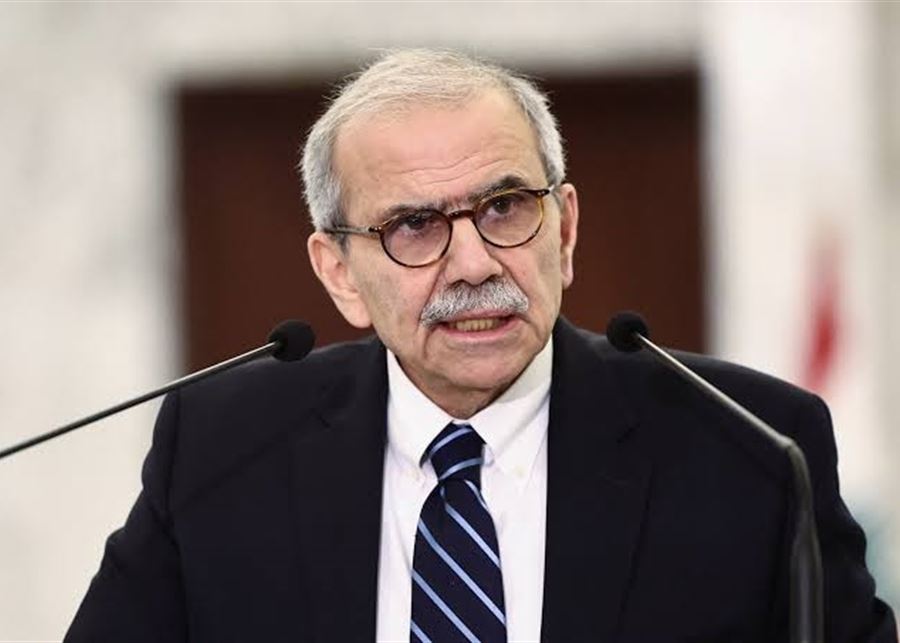
Minister of Finance Yassine Jaber issued a decision setting the rules, methods, and procedures for collecting the departure tax for passengers from air and maritime ports, in application of the laws in force, with the aim of unifying declaration and collection mechanisms and defining the responsibilities of air and maritime transport institutions and concerned administrations.
The decision stipulated setting the value of the tax as follows:
* 35 US dollars for every economy class passenger.
* 50 US dollars for every business class passenger.
* 65 US dollars for every first class passenger.
* 100 US dollars for every passenger on board private aircraft or yachts.
The decision stated that the tax is collected along with the price of the travel ticket, provided that it appears separately and clearly from the basic ticket value. It also specified the mechanism for calculating the tax in cases of travel class upgrades, such that it is collected according to the booked class if the upgrade is mandatory due to seat fullness, while it is collected according to the class transferred to if the upgrade is for other reasons.
Regarding air and maritime transport institutions, the decision obligated those institutions to pay the tax exclusively in US dollars, whether in cash, via electronic payment, by bank check from Fresh Dollar accounts, or via a bank transfer from abroad to the Ministry of Finance account for institutions that do not have branches or a legal representative in Lebanon.
It also imposed on institutions operating regular flights to and from Lebanon the submission of a monthly electronic declaration before the end of each month, including the number of departing passengers during the previous month and the value of the due fees, provided that they are paid within the same deadline. It obligated them to keep flight schedules, passenger data, and documents proving exemption cases, after being certified by the competent authorities, to present them upon request to the tax administration.
As for charter flights, private aircraft, and private vessels, the decision mandated the payment of the tax within a period of one month from the date of the flight, based on load data and manifests or an electronic declaration submitted to the tax administration. It also held ground handling companies at Beirut airport responsible for paying the tax for charter flights and private aircraft contracted with them, jointly and severally with the concerned transport institutions.
The decision assigned the Directorate General of Civil Aviation and the Directorate General of Transport – the competent port presidency – to determine the institutions operating regular flights and to periodically provide the Ministry of Finance with data related to them.
It also obligated foreign institutions operating regular flights to and from Lebanon to submit a cash or bank annual guarantee commensurate with their flight schedule, to be returned upon the cessation of flights or their modification after settling all due taxes and fees.
The decision stipulated the transfer of all obligations related to foreign institutions to their agent or legal representative in Lebanon or any person officially assigned to follow up on their business.
It also allocated 20 percent of the proceeds of the passenger departure tax to be deposited in a special account in US dollars at Lebanon's central bank, designated for spending on equipment and maintenance at Rafic Hariri International Airport, in accordance with applicable laws.
It noted that violations regarding the declaration of the tax or its payment are subject to the provisions of the Tax Procedures Law, including procedures related to objection or tax refunds.
Regarding exemptions, the decision maintained the application of exemptions granted to visiting dignitaries upon official invitation, members of the diplomatic and consular corps, technical and military attachés, and United Nations employees and its specialized agencies in cases specified by law, in addition to children under two years of age, provided that this text takes effect starting from the year 2022.
Accordingly, it ruled to cancel Decision No. 877/1 dated October 24, 2025, provided that it is published in the Official Gazette and on the website of both the Ministry of Finance and the Ministry of Public Works and Transport, and enters into force immediately upon its publication.
Tags:
Directorate General of Civil Aviation
General Directorate of Transport
Ministry of Finance
Yassin Jaber
In this story:
Yassine Jaber

← Previous article
Trump: Iran has two options: an agreement or more violent strikes
Related Articles

Operating without a license... closing a slaughterhouse in Beirut with red wax
Salam: Public transportation touches the life of every citizen... and a painter reveals a network of 54 routes and 300 buses

New fuel schedule... How much were the prices?