The Bank of Lebanon cancels the license of the Iranian “Saderat Bank”.
19:01 · 15 October 2026
2 min read
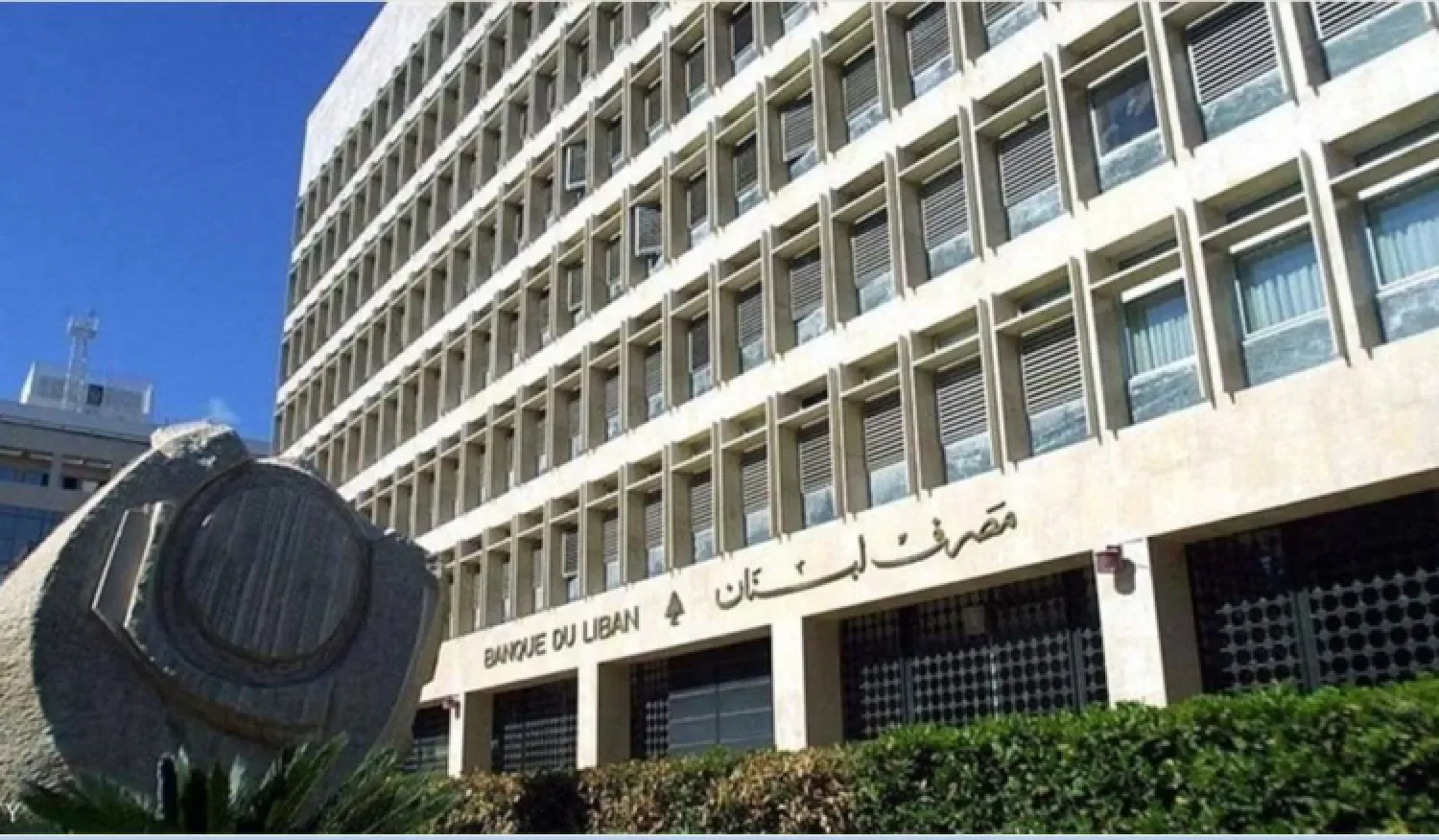
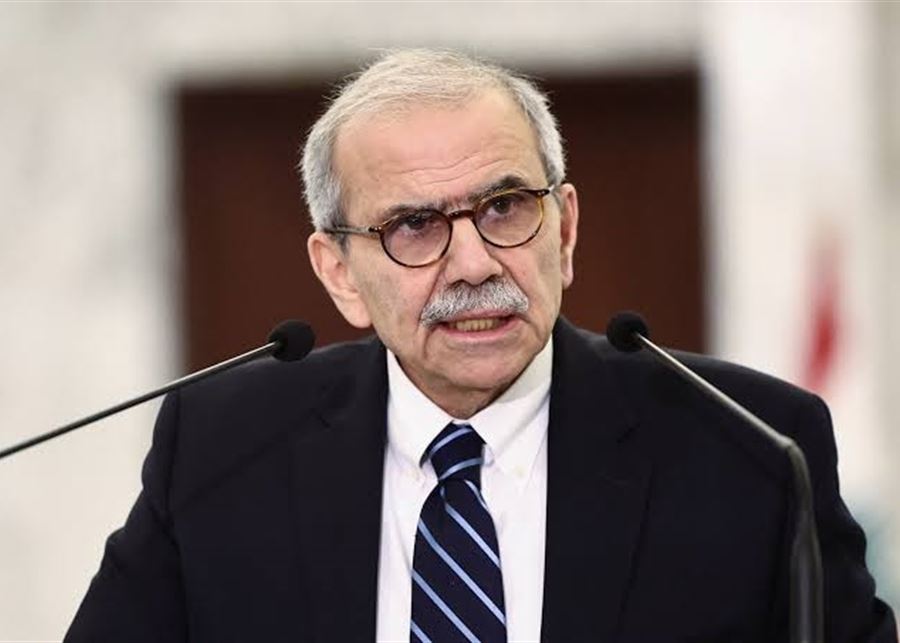
The Governor of the Bank of Lebanon, Karim Saeed, confirmed in an interview with Bloomberg that the Bank of Lebanon this week canceled the local license of the Saderat Bank of Iran, one of the largest Iranian banks, explaining that the step aims to “send a clear signal abroad that we are determined to protect our banking sector from any party that might pose a threat to it or expose it to financial risks.”
The Governor of the Bank of Lebanon said, in the interview on the sidelines of the Monetary Fund and International Fund meetings in Bangkok: “We saw that all the other larger and stronger economies, such as the UAE and Turkey, complied with such requests in order to maintain their banks’ relationship with the international financial system. Lebanon cannot bear such a risk.”
He added: "We sometimes have to make politically sensitive decisions because we want to protect our banking sector from any external sanctions or external pressures."
Saeed stressed that Lebanon must exit what is known as the “grey list” of the Financial Action Task Force due to shortcomings in combating illicit financial flows, and “clean its economy of all illicit and illegal funds and money laundering funds.”
He added that the Central Bank hired a specialized American company to map the country's monetary economy and track any suspicious activity.
In addition, Saeed pointed out that “negotiations with the International Monetary Fund are progressing at a good pace,” indicating “hopes for reaching an agreement on restructuring banks and recovering deposits before the end of the year, in preparation for an expert-level agreement with the Fund.”
He added that, although this is not part of the IMF's conditions for a potential support package, "there is an unwritten rule that the lender and donors who will join the program will insist on a clean financial sector."
← Previous article
The Houthis target the presidential palace in Aden... and at least 4 people are killed
Related Articles
Operating without a license... closing a slaughterhouse in Beirut with red wax
Salam: Public transportation touches the life of every citizen... and a painter reveals a network of 54 routes and 300 buses
New fuel schedule... How much were the prices?