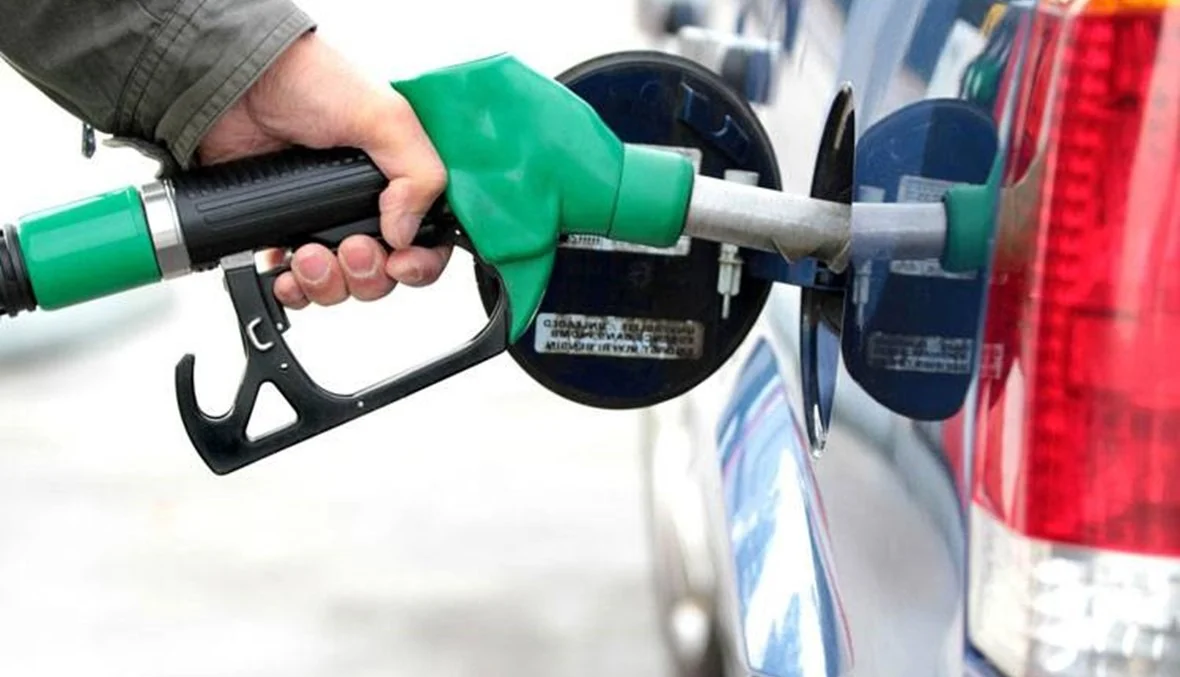
The Bank of Lebanon activates electronic payment to reduce cash transactions and enhance transparency and compliance
20:44 · 09 September 2026
9 min read
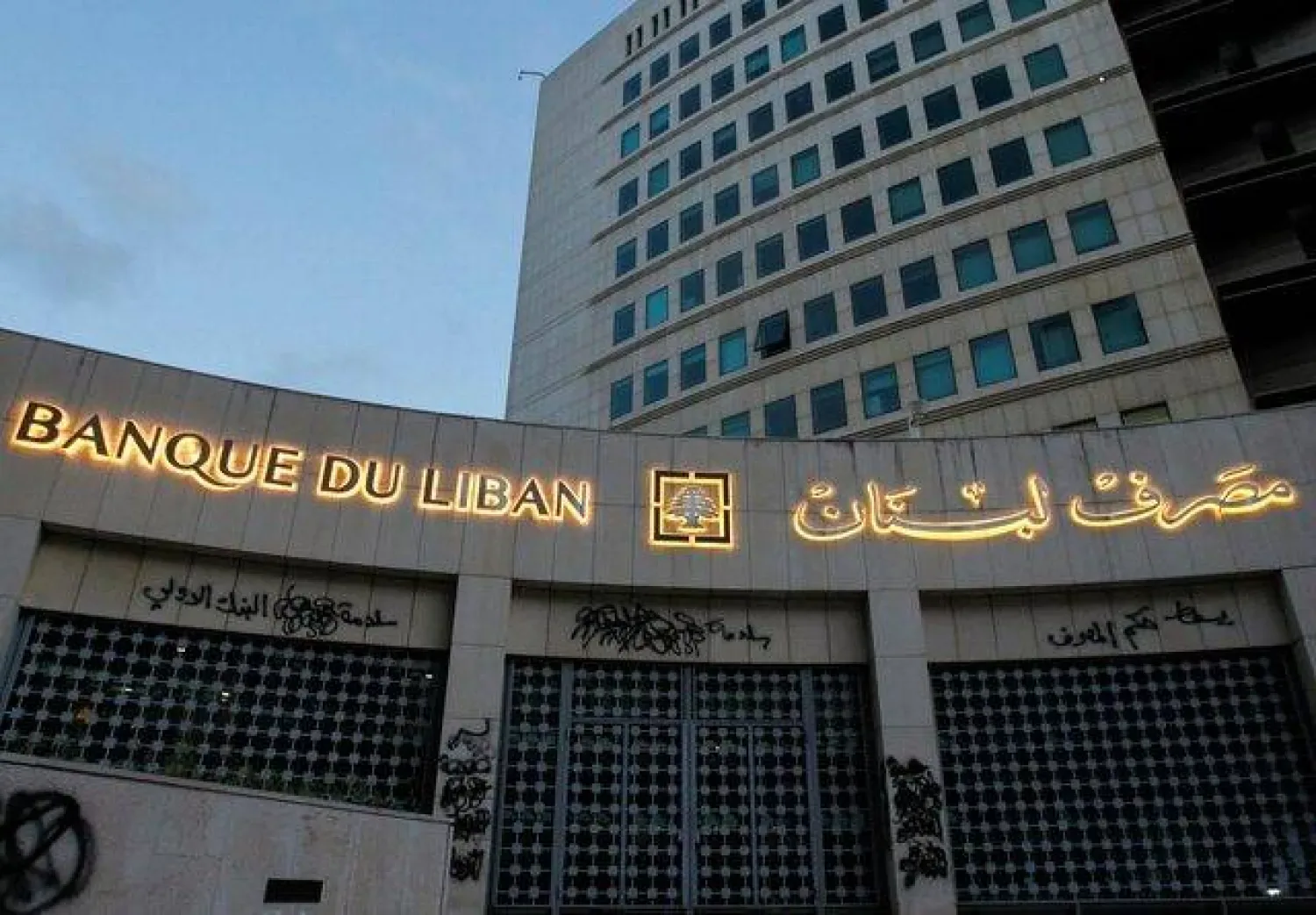
The second vice-governor of Banque du Liban, Makram Abou Nassar, held a press conference this afternoon to discuss "the measures taken by the central bank and relevant ministries to encourage payment cards and electronic payment methods, curb cash transactions, and enhance compliance standards." The conference was attended by the Director General of the Ministry of Finance, Dr. George Marawi; the Director General of the Ministry of Economy, Dr. Mohammad Abou Haidar; Visa Regional Manager Mario Makary; Mastercard Regional Manager Cynthia Khoury; and Mastercard General Manager for Egypt, Lebanon, and Iraq, Mohammad Assem, in the presence of a crowd of journalists.
Abou Nassar
Abou Nassar began the conference by saying: "The purpose of this conference is to clarify the measures taken by Banque du Liban regarding electronic payments via payment cards and to reduce the use of paper currency payments. This cooperation took place with the Ministries of Finance and Economy, Visa and Mastercard, and the banking and financial sector."
He thanked Visa and Mastercard for their cooperation, as well as the Ministries of Finance and Economy, pointing out that "this cooperation is ongoing and is not limited to this subject alone, in order to preserve monetary stability."
He explained that "Banque du Liban has issued a number of circulars concerning commissions on payment cards, reducing commissions by 1.25 percent on payment card transactions across most commercial, service, health, and other establishments. Anyone paying this percentage will find it is a very good rate and one of the lowest. Additionally, on payment cards, a commission ceiling was set at 0.9%. Furthermore, we issued a number of circulars emphasizing compliance, transparency, and improved governance and management for institutions dealing in the payment sector, such as electronic wallets and money transfer companies that collect taxes on behalf of the Lebanese state, which was one of the best standards adopted in this field."
Nassar added: "A number of circulars were also issued concerning the operations of financial institutions, money changers, and all those concerned in the financial field regarding governance and financial transparency. This strengthens the operation of the financial market in Lebanon in accordance with international standards."
He presented figures showing a decline in the percentage of cash payments in favor of bank card payments, "and this is of utmost importance given the risks of cash payments, as the percentage of card payments in the first eight months of the year increased by 130% compared to the first eight months of 2025. The increase in value exceeded 50%, and the increase could have been even greater, but the war negatively affected the result."
He continued: "In addition to reducing commissions, Banque du Liban issued a circular related to depositors, providing $200 under Circular 158 and $100 under Circular 166, which served as an encouragement to use cards, alongside the major role played by the Ministry of Economy in preventing merchants from adding any extra value to the price when using cards. All merchants must accept cards without any additions."
He also spoke about checks, noting that their volume increased by 142%, while in value they increased by 105% in Lebanese pounds, and dollar checks increased by 124% in volume and 102% in value."
Marawi
Then Marawi spoke, saying: "The press conference we are holding now is the result of joint work between Banque du Liban and the Ministries of Finance and Economy with Visa and Mastercard to allow taxpayers to pay taxes and fees through bank cards in order to reduce the burden of carrying cash, which increases monitoring capacity and reduces financial costs."
He added: "Since our launch and our agreement with the concerned parties in the Association of Banks to place 52 POS devices in departments affiliated with the Ministry of Finance, today we have 38 devices distributed across all governorates, but due to security conditions, we are delayed in our progress. When things calm down, we will resume delivering them to all departments in various ministries, the Ministry of Justice, and the Ministry of Labor, and work is underway to place devices in the Ministry of Economy. The importance of these devices lies in reducing cash transport, mitigating the risks of transporting and counting money, and avoiding errors. This is to facilitate monitoring and transparency, and to make information easier for the Ministry of Finance and all workers in the banking sector."
He pointed out that Visa and Mastercard have reduced their commission rates to 0.9 percent to facilitate the service and provide it to everyone.
Abou Haidar
Abou Haidar stressed that "reactivating electronic services in Lebanon constitutes a fundamental step to enhance consumer protection and keep pace with digital transformation," emphasizing "the importance of curbing the cash economy, enhancing transparency, governance, and the traceability of financial transactions."
He said that the step to reactivate electronic services "carries a message to the citizen that their rights as a consumer are subject to oversight and protection, especially in light of the decline in purchasing power resulting from the economic conditions Lebanon has been experiencing since 2019," explaining that "work is underway in coordination with Banque du Liban and relevant authorities to expand the scope of electronic payments in vital sectors." He noted that "the number of electronic payment devices (POS) has reached approximately 1,100 devices in gas stations, out of 3,200 stations, and about 1,200 devices in pharmacies, out of 3,600 pharmacies."
He pointed out that "180 supermarkets belonging to 75 companies rely entirely on POS payments," noting "an increase in the percentage of electronic payments at gas stations from 8 to 12 percent, in pharmacies from 16 to 23 percent, and in restaurants from 15 to 35 percent." He explained that "e-commerce records the highest percentage in the use of electronic payments, as internet payments using debit cards exceeded 51 percent," calling for "further facilities and incentives for this sector, which has become an essential part of the citizen's daily life."
In the supermarket sector, Abou Haidar indicated that "the percentage of purchases paid for by cards increased in large stores from 17 to 36 percent, in medium stores from 7.5 to 20 percent, while the percentage in small stores remained below 20 percent." He stressed that "expanding the use of electronic payments aims to curb the cash economy, keep pace with digital transformation, enhance governance and transparency, as well as improve the traceability of transactions within supply chains, which also serves the work of the Ministry of Finance."
Abou Haidar touched upon "the issue of some merchants imposing additional fees on consumers when paying by debit or credit card," stressing that "adding any fees to the value of purchases due to the use of electronic payments is illegal and unacceptable." He called on citizens to "submit complaints via the digital services of the Ministry of Economy and Trade," pointing out that "the system allows the complainant to obtain a reference number and follow up on the result of their complaint, which enhances transparency and confirms that complaints are subject to follow-up and monitoring."
Within the framework of digital transformation in public administrations, he said: "Citizens can now pay fees for 22 intellectual property-related services electronically using debit or credit cards, with payments transferred directly to the state treasury." He stressed "the importance of completing the implementing decrees related to computerization and electronic signatures, which will allow the expansion of digital government services and facilitate the completion of citizens' transactions electronically, leading to a more modern and effective public administration."
Khoury
The Mastercard Regional Manager said: "Mastercard announced today its cooperation with Banque du Liban and various stakeholders to accelerate the adoption of digital payments across the Lebanese Republic, with a particular focus on empowering small and medium-sized enterprises and women entrepreneurs. As part of this cooperation, Mastercard will provide support to a number of programs aimed at expanding digital payment acceptance, enhancing financial inclusion, and supporting business growth across the country. This cooperation reflects Mastercard's efforts to support digital payment acceptance in Lebanon by empowering businesses to enhance their participation in the digital economy and benefit from new growth opportunities."
Assem
Mastercard General Manager for Egypt, Lebanon, and Iraq Mohammad Assem affirmed: "At Mastercard, we believe that expanding the acceptance of digital payments is a fundamental pillar for the prosperity of the digital economy. Undoubtedly, this cooperation with Banque du Liban will contribute to supporting small and medium-sized enterprises and women entrepreneurs, providing them with the necessary tools, capabilities, and resources to adopt digital payments, reach a broader segment of customers, and participate more effectively in the digital economy. Furthermore, expanding digital payment acceptance can help small businesses enhance their business efficiency and resilience, and tap into broader business opportunities. By focusing on small and medium-sized enterprises and women-led businesses, the cooperation seeks to promote financial inclusion and support sustainable growth."
He added: "Mastercard continues to cooperate with stakeholders in both the public and private sectors to develop the payment ecosystem and provide secure, seamless, and innovative payment experiences. The company's efforts are anchored in enhancing security and trust by leveraging advanced cybersecurity solutions, artificial intelligence, and anti-fraud technologies to protect consumers, businesses, and financial institutions from evolving threats, and to strengthen the resilience of the digital ecosystem and its ability to counter risks."
Makary
The Visa Regional Manager said: "The priority touches the life of every citizen, whether a merchant or any citizen. We at Visa look at digital services beyond financial services, as they energize the economy, facilitate commercial transactions, and ease monitoring and transparency. Their importance also lies in reducing financial costs, and we have reduced the commission rate for various financial, economic, social, and service sectors, providing the merchant with a wide range of financial payment services, while contributing to increased economic growth across various business sectors."
He noted that "the growth volume of financial flows passing through Visa has reached 60% since the beginning of the year, and this is an encouraging matter for developing the economy. These are positive indicators to stimulate the economy and demonstrate the readiness of the Lebanese citizen to adopt these cards," announcing "Visa's capacity to provide many diverse services aimed at building a real and inclusive economy through transparency and facilitating the movement of funds with high transparency."
He pointed to "Visa's global importance and its great capability to provide the best electronic financial services to reach the largest segment of citizens."
Tags:
Iraq
Arab Republic of Egypt
Lebanon
Bank of Lebanon
Ministry of Economy and Trade
Ministry of Finance

← Previous article
“Until the demands are met.”... Official education links: To participate in the sit-in on Friday
Related Articles

Operating without a license... closing a slaughterhouse in Beirut with red wax
Salam: Public transportation touches the life of every citizen... and a painter reveals a network of 54 routes and 300 buses
New fuel schedule... How much were the prices?