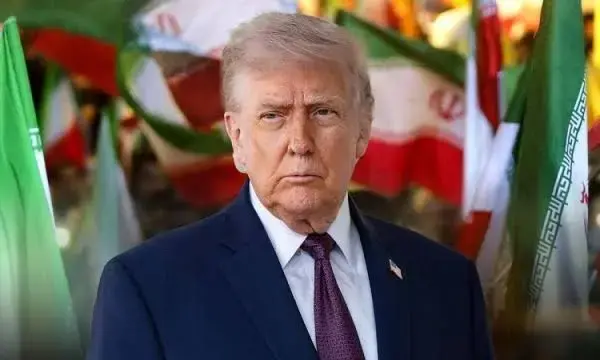
Saudi-Turkish-Pakistani-Iranian talks in Tehran in an effort to prevent a renewal of the war
19:45 · 26 October 2026
4 min read
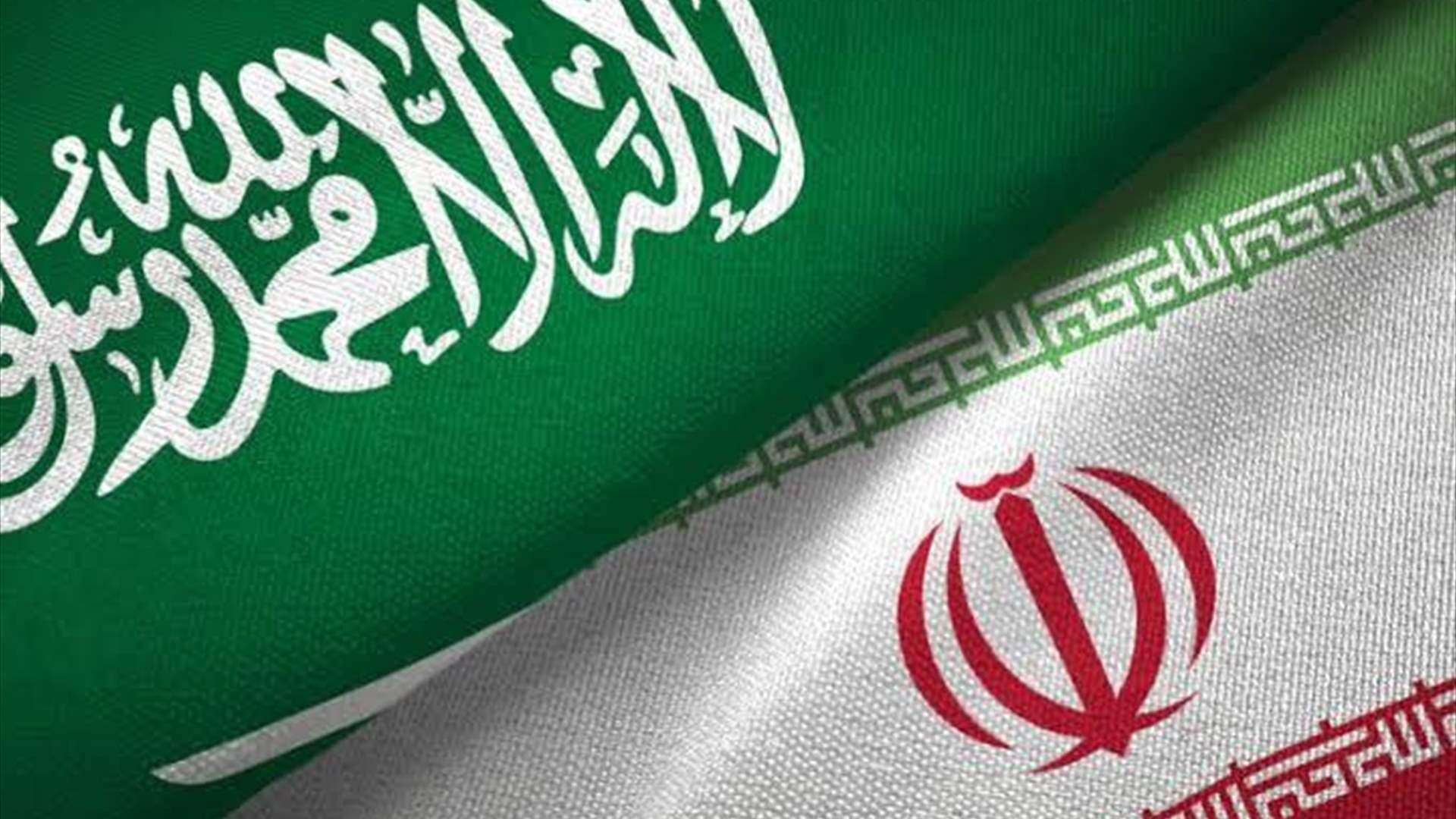
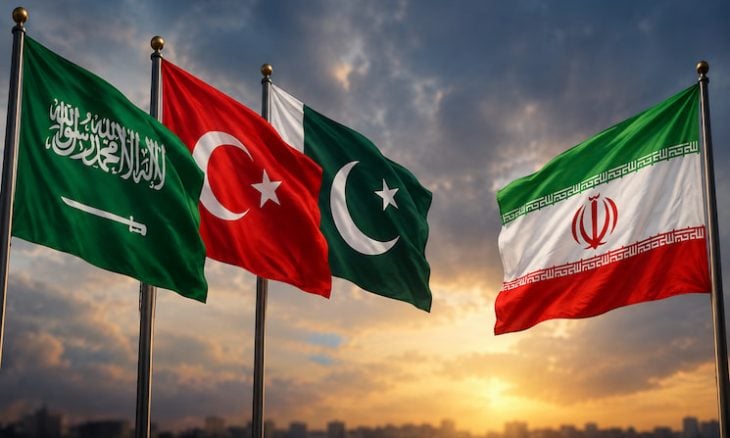
Iran and the three countries party to the Mecca Joint Defense Agreement agreed to continue talks following a first meeting held in Tehran, amid fears of renewed war in the Middle East. This coincided with the Egyptian Parliament’s approval to provide defensive support to Riyadh in the face of Houthi attacks from Yemen.
Saudi Defense Minister Prince Khalid bin Salman arrived in Tehran to participate in the talks, along with Pakistani Army Commander Asim Munir, Turkish Intelligence Chief Ibrahim Kalin and other high-ranking officials. They arrived in Iran in an effort to "reduce the escalation between the parties to the current crisis and encourage dialogue and diplomatic solutions," according to a statement issued by the Saudi Ministry of Foreign Affairs. Iranian state television reported on Monday that the meeting agreed to “continue discussions with the aim of enhancing cooperation, including in the areas of regional peace and security.”
The talks came after warnings from the United States and Israel of the possibility of a resumption of hostilities. This is the first joint visit to Tehran by officials from Saudi Arabia, Pakistan, and Turkey, since the three countries formed a defense alliance last August. It comes in light of the renewed confrontations between Riyadh, which supports the internationally recognized Yemeni government, and the Houthis, who are supported by Iran, in July due to the impact of the war in the Middle East, with the collapse of a truce that had been in effect in Yemen since 2022. It also comes in light of the escalation of tension ahead of the crucial Israeli elections on Tuesday and the US midterm elections next week, in which the Republicans, led by Donald Trump, are seeking to maintain control of both chambers of Congress.
With the start of the talks in Tehran, United Nations Secretary-General Antonio Guterres said on Monday that it was “urgent to put an end to any escalation” in the Middle East. He added, "The risk of a combination of a large-scale military attack on Iran and a large-scale military attack launched by Iran against the Gulf states must be avoided at all costs."
Saudi security analyst and researcher Hisham Al-Ghannam wrote on the X platform, “This historic meeting in Tehran may be the last chance before the escalation gets out of control, in an attempt to impose a path of calm before it is too late.” He added, "A meeting of military and security figures at this level means that the remaining time is very limited."
New explosions sounded in Riyadh on Sunday night, coinciding with warning text messages being sent to residents, after the Houthis announced on Sunday a new attack on the international airport in the Saudi capital.
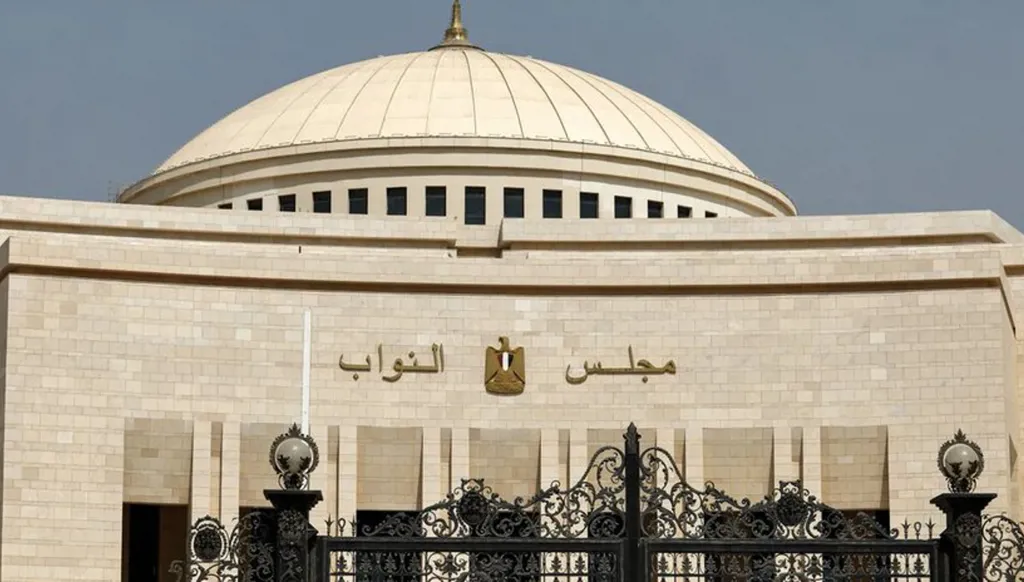
In Cairo, the Egyptian Parliament approved Monday the provision of defensive support to Saudi Arabia to support it in confronting the attacks of the Iranian-backed Houthis, at the request of President Abdel Fattah El-Sisi. It is still unclear what form of support Egypt can provide, given that its army is the largest in the Arab world. In addition to hundreds of thousands of military personnel, the army possesses combat aircraft and advanced air defense systems sourced from the United States, China, France, and Russia. Al-Sisi confirmed on October 21 that the Egyptian military effort is dedicated to defending Saudi Arabia’s lands and does not include launching an attack on Yemen [2].
Qatar and Pakistan are leading mediation efforts between the United States and Iran. Iranian Foreign Ministry spokesman Ismail Baghaei said that a Qatari delegation visited Tehran on Sunday. Baghaei said on Monday, "Our region is witnessing serious tensions, and neighboring countries are seeking to convey messages and put forward initiatives."
Andreas Craig of London-based risk consulting firm MENA Analytica said that Prince Khaled's presence in Tehran is "extremely important," describing him as "the mastermind of Saudi Arabia's strategy." Craig told Agence France-Presse, "His heading directly to Iran at this very sensitive time sends a very strong signal that the Kingdom is not content with... sitting and waiting for events to unfold." Prince Khaled, brother of Crown Prince Mohammed bin Salman, has emerged as one of the most prominent officials in charge of diplomatic communication on behalf of the Kingdom, as he is sent on sensitive regional missions.
Ali Al-Shihabi, a Saudi analyst close to the government, said on social media that “Prince Khaled’s level of representation and his closeness to the Saudi leadership send a strong message.” He added, "Riyadh is investing significant political capital in the dialogue with Iran, seeking to contain the escalation and open a reliable diplomatic path out of the crisis."
In this story:
Donald Trump
← Previous article
After a ship loaded with wood ran aground... Civil Defense: We secured the safety of seven people who threw themselves into the sea
Related Articles
The Egyptian House of Representatives gives Sisi a mandate to defend Saudi Arabia
Tehran hosts a security meeting with the participation of Saudi Arabia, Turkey and Pakistan
Trump renews his support for Netanyahu before the vote: “We must complete the mission.”