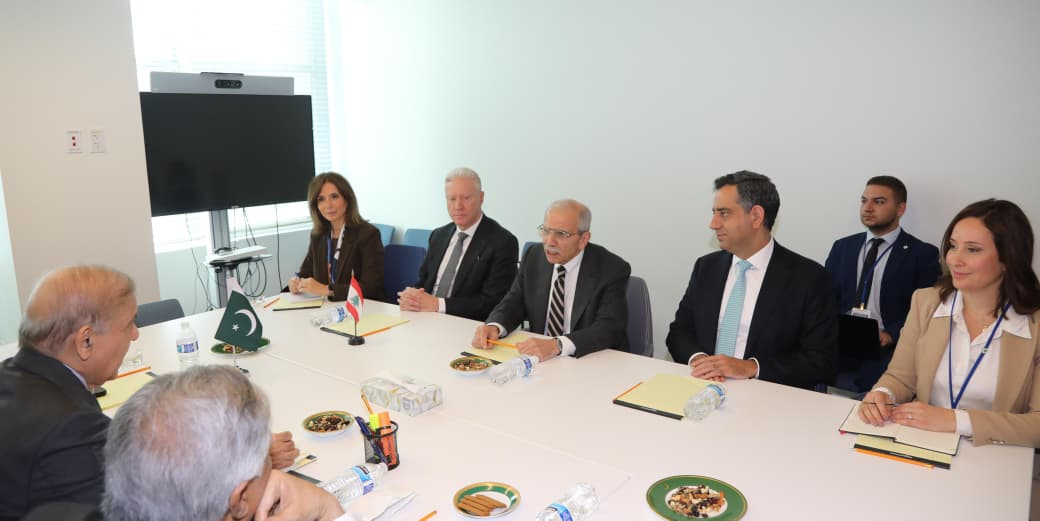
Thus, the wars exhausted the Lebanese economy and prevented it from growing
06:35 · 09 September 2026
4 min read
Written by Talal Bazzi:
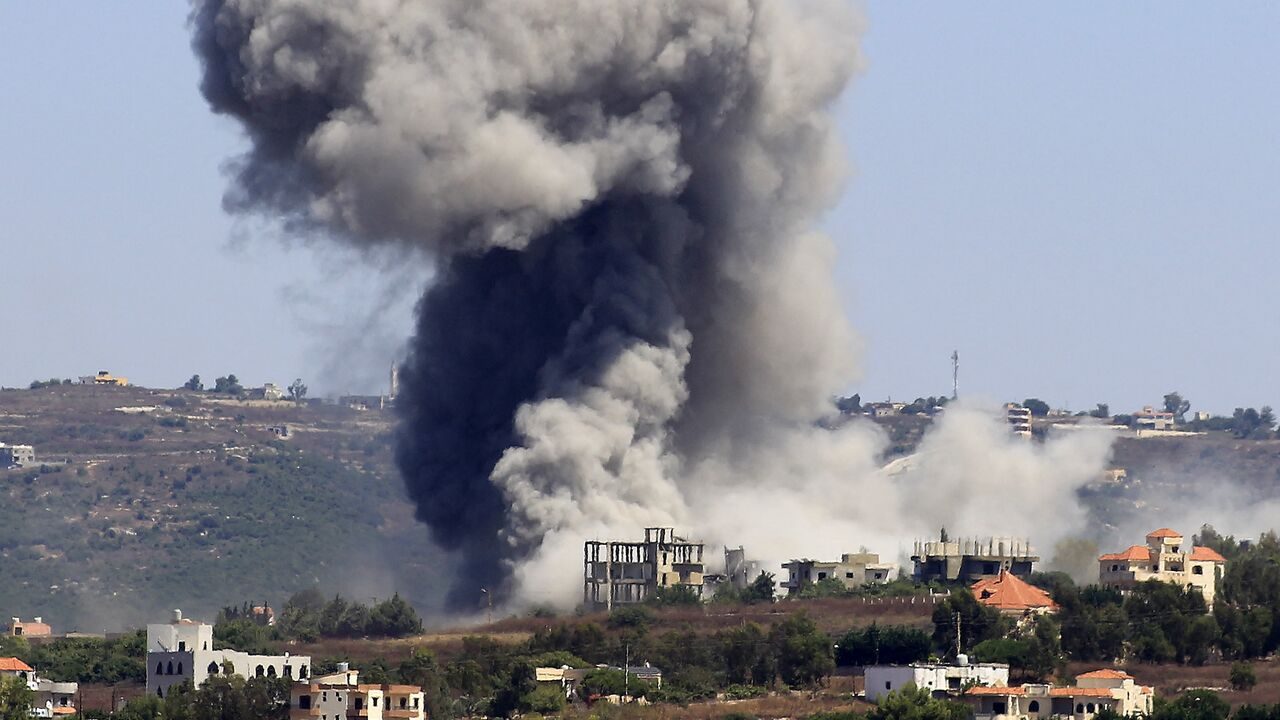
Lebanon was already living through one of the deepest economic and financial crises in its modern history, as the country suffered from a catastrophic banking collapse, a massive loss in the value of its currency, severe inflation, weakened public institutions, and rampant poverty. Yet, just as Lebanon was beginning to show signs of fragile economic stability, Hezbollah’s ongoing military confrontation with Israel dealt yet another devastating blow.
This is not merely a political argument; the economic evidence is clear. The World Bank reported that the Lebanese economy expanded by an estimated 4.2% in 2025, its strongest performance since the start of the financial crisis in 2019. That recovery was fragile but real, supported by consumption, investment, tourism, and improving economic indicators. Then, the renewed war in March 2026 reversed that progress, with the World Bank now projecting that the Lebanese economy will contract by 6.4% in 2026.
The World Bank specifically identifies the conflict as the factor that severely derailed the country's economic recovery, resulting in damage to housing and infrastructure, the displacement of local communities, the disruption of supply chains, and a severe impact on tourism and domestic demand.
Lebanon simply does not possess the economic reserves required to absorb repeated wars. The World Bank points out that the 2023–2024 conflict alone resulted in economic costs approaching $14 billion, comprising $6.8 billion in physical damage and $7.2 billion in economic losses. Reconstruction and recovery needs were estimated at approximately $11 billion. These billions represent destroyed homes, damaged businesses, a disrupted transport sector, agricultural losses, lost tourism revenues, destroyed infrastructure, and individuals rendered unable to work. And before Lebanon could recover from those losses, another conflict erupted.
The economic damage extends far beyond the battlefield. Tourism suffers because visitors require confidence and stability, and investors postpone their decisions because they cannot predict whether the next escalation will close roads, the airport, or businesses. Families also cut back on spending due to uncertainty over the following month's conditions, and companies hesitate to hire, while skilled Lebanese workers consider leaving the country rather than building their future in an economy constantly exposed to war. The Bank expects inflation to rise to 17.5% in 2026, driven partly by supply disruptions, higher shipping costs, and increased oil prices.
Here, Hezbollah's role becomes an economic issue. When Hezbollah turns strategically important civilian land into a military stronghold, the economic consequences reach neighboring communities. Farmers face uncertainty regarding access to their land, businesses lose customers, transportation becomes more difficult, residents are displaced, property values and investment confidence are damaged, and reconstruction becomes a necessity that repeats itself over and over again.
In other words, the Ali El Taher hill represents an economic opportunity cost for Lebanon.
Instead of using the geography of southern Lebanon primarily for agriculture, tourism, housing, transport, and civilian development, Hezbollah used strategically valuable land as part of a military infrastructure designed for confrontation. Reuters reported that Israeli forces announced the evacuation of Hezbollah fighters from the underground network, while the exact scope of the operation remained disputed. This raises an embarrassing question for Hezbollah: If its military infrastructure cannot protect its fighters from being besieged underground, and if this very infrastructure places surrounding Lebanese communities in danger, what exactly does Lebanon gain economically from it?
Lebanon needs electricity, functioning banks, tourism, agriculture, investment, jobs, and infrastructure. Hezbollah's military apparatus does not create these prerequisites; rather, repeated confrontation destroys the conditions necessary to achieve them. The World Bank's assessments are particularly important because they separate political rhetoric from tangible economic reality. Lebanon had begun a fragile recovery, but the conflict cut it short, and the country now faces declining output, high inflation, disrupted tourism, displacement, damaged infrastructure, and massive reconstruction requirements.
This is the primary economic indictment leveled against Hezbollah. Lebanon cannot build a modern economy while armed organizations outside the state can repeatedly decide whether or not the country will enter another war. Investors need predictability of stability, tourists need security, businesses need functioning infrastructure, banks need confidence, and families need jobs. None of these conditions can thrive as long as Lebanon remains vulnerable to military escalation driven by Hezbollah's regional strategy.
Lebanon does not need more military infrastructure; it needs civil infrastructure that achieves growth. It needs roads instead of tunnels, businesses instead of arms depots, farms instead of fortified sites, schools instead of shelters, and investment instead of reconstruction. Above all, it needs the Lebanese state alone to hold the decision of war and peace.
← Previous article
Cabinet meeting Thursday...what's on its agenda?
Related Articles
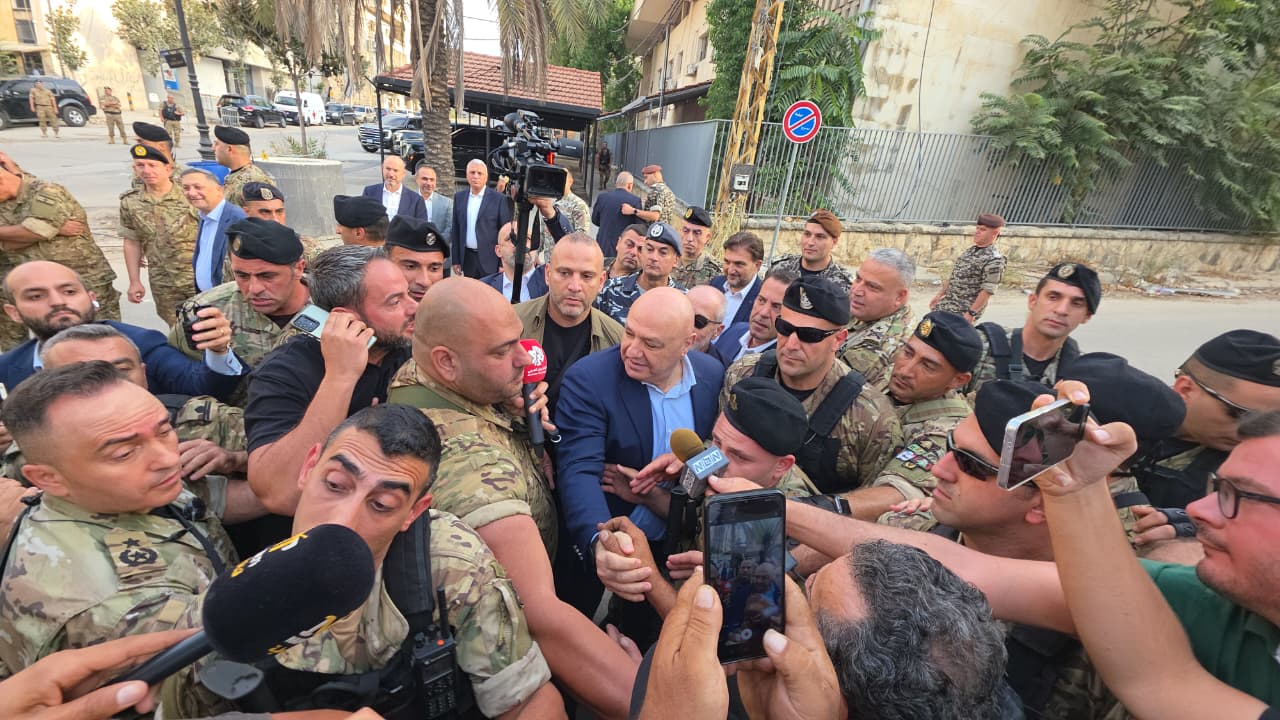
The "Ali Al-Taher" bombing casts a shadow over Aoun's visit to Nabatieh, amid growing criticism of Hezbollah's policies.
Shelter centers in Karantina: humanitarian or a new crisis?
Delegations withdraw during Netanyahu’s speech at the United Nations... and an attack on Iran, European countries, and Turkey