Mitri: Negotiations in the middle of the month... and the release of prisoners is an indicator of American pressure
12:56 · 06 September 2026
2 min read
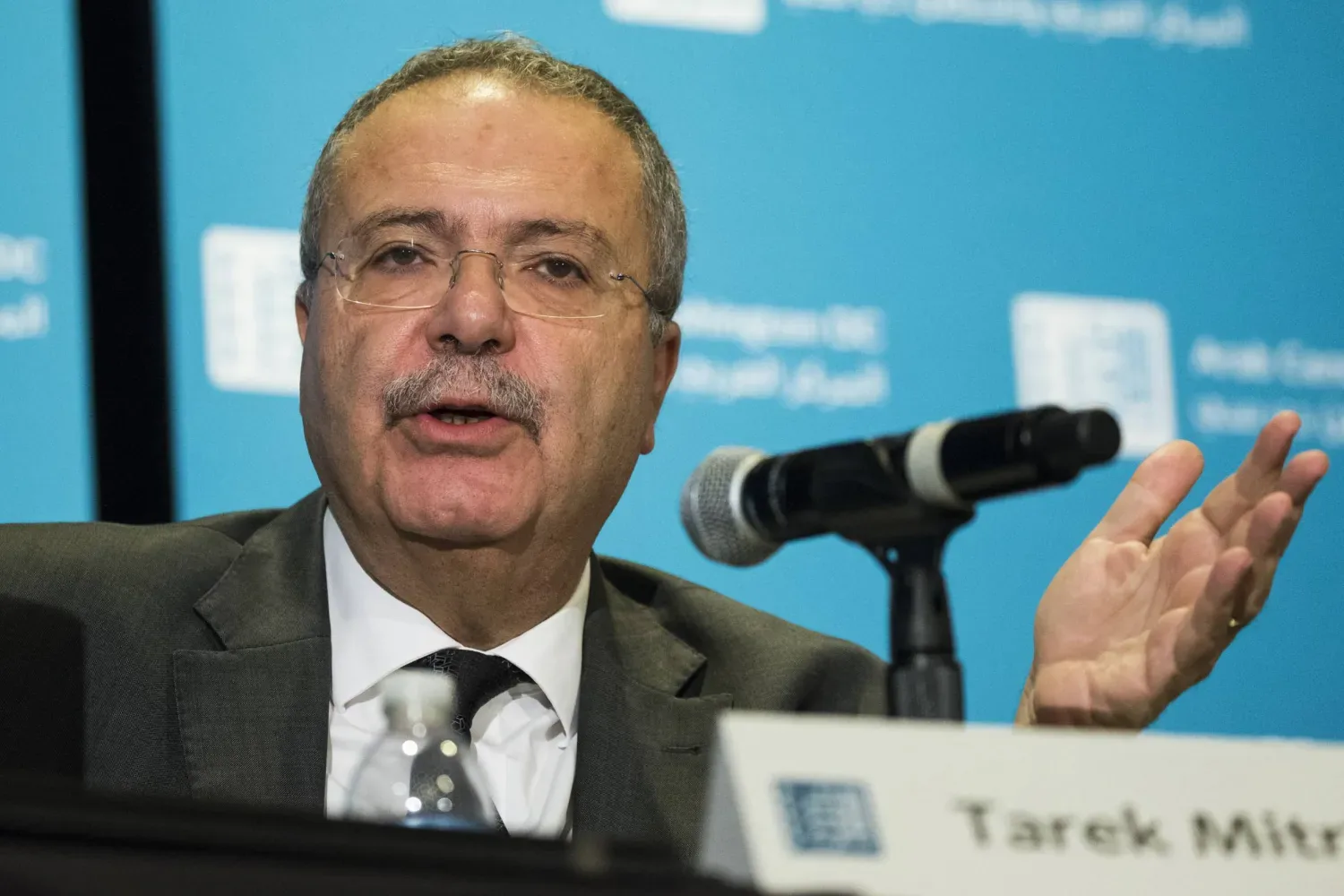
Deputy Prime Minister Tarek Mitri considered that Israel's release of a number of Lebanese prisoners is an indicator of American pressure toward showing greater flexibility in negotiations with Lebanon,- predicting that the likelihood of holding a new round of negotiations in the middle of the current month or a few days after it will increase.
Mitri affirmed that "Lebanon seeks to keep its negotiating track independent of the American-Iranian negotiations, despite the impact of the results of those negotiations on the Lebanese situation."
He pointed out that the government has not changed its position regarding the issue of weapons, and it possesses political and security tools, but the implementation of decisions on the ground is linked to the capabilities of the Lebanese Army and the obstacles it faces, just as Lebanese files cannot be separated from regional developments.
Regarding field developments, Mitri said that the idea of establishing buffer zones in Lebanon, Syria, and Gaza has turned into an Israeli military and political doctrine, pointing out that Israel now considers the area it established south of the Blue Line a security buffer zone, and withdrawing from it does not necessarily mean allowing anyone to return to it.
As for the developments in the Ali al-Tahrir area, Mitri said that Lebanon does not know the whole truth about what happened, stressing that Israel considered the area an important center for managing military operations, and that it linked the presence of facilities, tunnels, and fighters to it.
He pointed out that Lebanon tried to avoid a wide-scale Israeli military operation through the army's pursuit of taking over the mission, but reaching an understanding was not easy.
More from:
Ali al-Taher news
← Previous article
Nabatieh... Heavy damage to the Ministry of Finance building as a result of Israeli shelling
Related Articles

Jumblatt: Lebanon-Israel negotiations will not bear fruit as long as Israel occupies the south

Hasbani: The Dahr al-Baidar incident is a gateway to implementing the government’s decisions regarding the party’s weapons

Contact between Al-Hajjar and his Saudi counterpart... enhancing joint cooperation between the two countries