My country's achievement in Rashmiya... a solar energy field that provides electricity 24/24
08:53 · 23 July 2026
4 min read
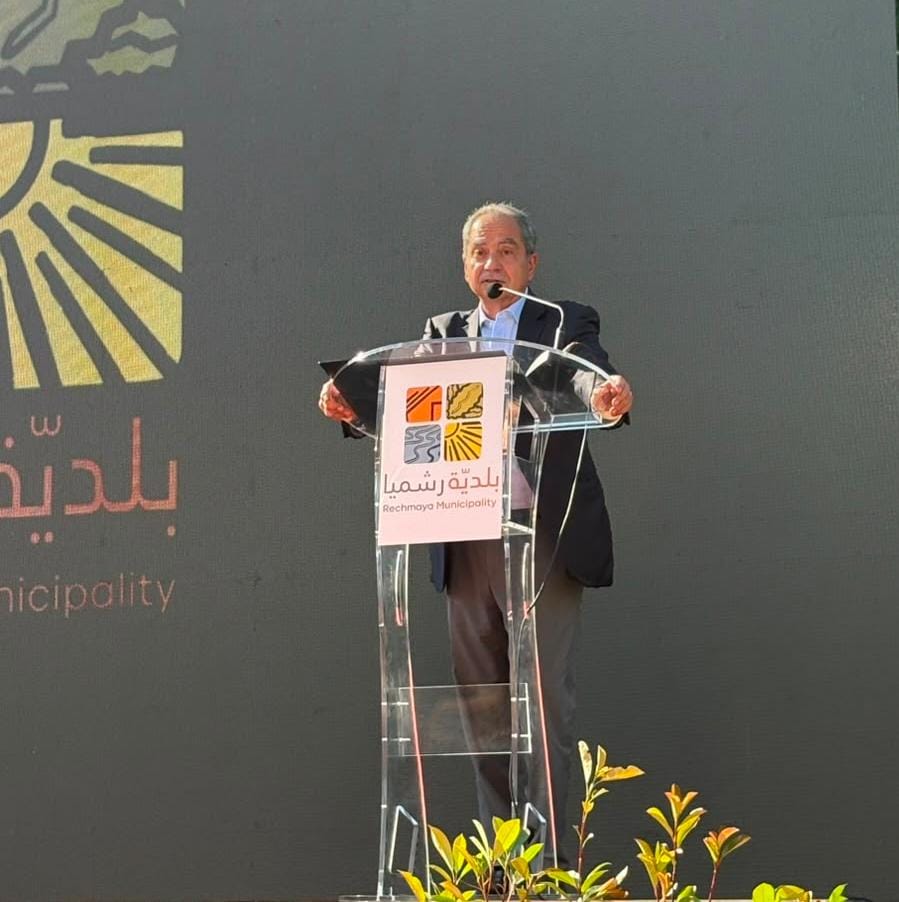
The Rashmaya Municipality, in cooperation with the "Nabd Aley" association, inaugurated the solar energy field that provides electricity to the town around the clock, during a large official ceremony held in Rashmaya. The event was also attended by MPs Nazih Matta, Marc Daou, and Raji Al-Saad; the Director General of Civil Defense, Brigadier General Imad Khreich; Judge Pierre Francis; the project's financier, businessman Joual Zakaria; the Superior of Mar Elias Monastery – Rashmaya, Father Tony Constantine; and the Lebanese Forces Aley district coordinator, Tony Badr, alongside heads of municipalities, mukhtars, prominent figures from the Aley district, media and journalistic figures, and a gathering of townspeople and neighbors.
The ceremony was hosted by media figure Fadi Monzer, and opened with the Lebanese National Anthem. The President of the Rashmaya Municipality, Dr. Dalia Farah, then delivered a speech in which she affirmed that the project constitutes an extension of Rashmaya's historical journey in investing in natural resources. She noted that the town was a pioneer decades ago in producing electricity from hydroelectric power, and that it is continuing this approach today by investing in solar energy to enhance sustainable development, preserve the environment, and provide continuous service to citizens.
Farah praised the efforts exerted by the municipal council and the project partners, particularly the municipality's energy committee. She emphasized that preserving natural resources and investing in them responsibly constitute a fundamental pillar for building a better future for coming generations, and that Rashmaya will remain a model in sound local governance and environmental development, capable of turning its natural resources into elements of strength and sustainable growth.
Afterwards, the President of the "Nabd Aley" association, Dr. Antoine Abou Fayad, gave a technical presentation addressing the project's implementation stages and its working mechanism, explaining that it continuously provides electricity relying on solar energy. He also announced that the association had contributed, within a short period, to implementing three similar projects in three towns at a record speed, in addition to signing a number of memorandums of understanding with various municipalities aimed at expanding the scope of clean energy projects and enhancing local development.
For his part, the Minister of Energy and Water, Joe Al-Sadek, affirmed his keenness to participate in this event in support of all initiatives that enhance clean energy production, whether through solar energy or other renewable energy sources, pointing to the pivotal role played by the Electricity Sector Regulatory Authority in organizing and developing reliance on solar energy.
Al-Sadek also stressed the importance of cooperation between municipalities and civil society associations, considering that municipalities represent the local authority closest to citizens, and renewing his support for the Build-Operate-Transfer (BOT) partnership model that the Ministry of Energy intends to adopt in a number of upcoming projects. He affirmed that enhancing decentralization and empowering municipalities constitute an essential gateway to achieving sustainable development, wishing Rashmaya continued success in this project, which provides electricity at a lower cost and without any pollution, and hoping it serves as a positive incentive for the rest of the towns in the Aley district.
The ceremony concluded with the ribbon-cutting ceremony to mark the inauguration of the project, with the participation of Minister of Energy and Water Joe Al-Sadek, Rashmaya Municipal President Dr. Dalia Farah, President of the "Nabd Aley" association Dr. Antoine Abou Fayad, project financier and businessman Joual Zakaria, and the project's executing engineers, Alain Jabbara and Roland Jabbara, before the attendees toured the field and inspected its components and operating mechanism.
This project constitutes a new milestone in Rashmaya's journey towards enhancing reliance on renewable energy, consolidating a successful model of cooperation between the municipality, civil society, and the private sector, contributing to the improvement of service quality, the strengthening of energy security, and the support of sustainable development, and affirming that the partnership between official institutions, the local community, and the private sector is capable of producing pioneering developmental projects that serve citizens and lay the foundation for a more sustainable future.
More from:
Aley news
← Previous article
Rifi: Aoun’s visit to Washington is a golden opportunity to get Lebanon out of the “Iranian prison”
Related Articles
Electricity of Lebanon: Cutting off electricity supply to state institutions as of this date
Qatar is on the verge of the electricity crisis in Lebanon... two new stations and a 20-year gas agreement
A meeting with Qatar tomorrow... and the response may escalate towards the government