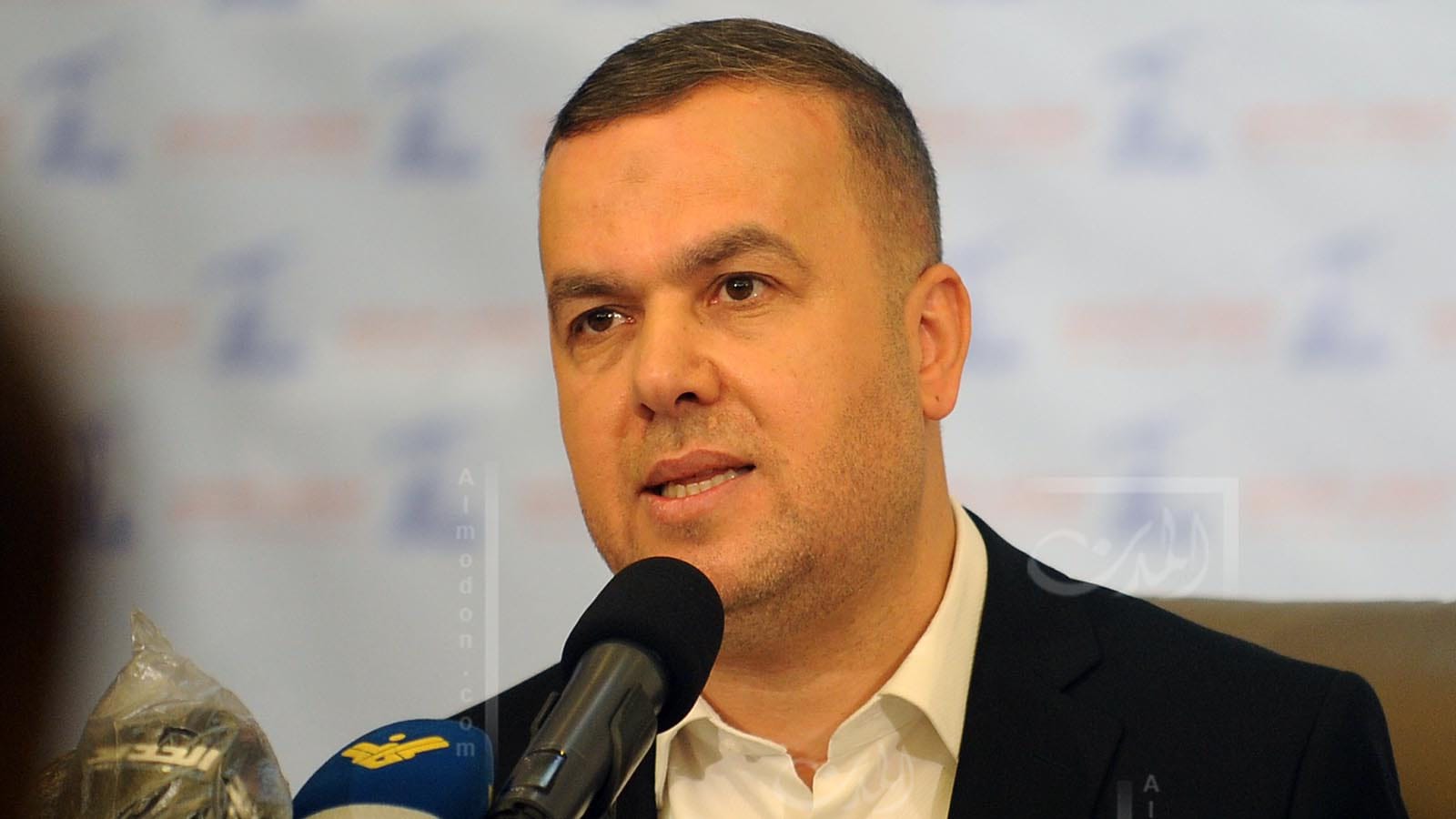
Fadlallah: Our priority is to confront the enemy and refuse to surrender
13:40 · 29 May 2026
6 min read

Loyalty to the Resistance bloc MP Hassan Fadlallah considered "that we are facing a bloody Israeli aggression aimed at occupying our land and expelling us from it, and we have no choice but resistance and steadfastness, and there are great heroic deeds on the ground, and the resistance fighters are writing epic heroic tales, but the resistance is not a regular army that establishes defense lines to prevent an army equipped with the latest weapons and presenting itself as the first in the region from entering some villages and occupying them or controlling geography. The resistance's task is to prevent it from settling and to exhaust it through operations carried out with a self-sacrificing spirit and high efficiency that hurts the occupation, and even if it enters the villages of the South, the resistance will continue its operations to prevent it from settling, which is what it did in the past from its occupation of Beirut until its expulsion in the year 2000. Our people in this confrontation are paying a heavy price in their blood and property, and this is a tax imposed on us, for we are not war enthusiasts, but rather we seek a dignified life and reject a life of humiliation and submission, and what is put before our country is surrender or war, and whatever the costs, we will not submit to this enemy and we will continue to exercise our right to defend our existence."
Fadlallah affirmed that "one of the factors of our strength is the unity and cohesion of the resistance's environment, especially between Hezbollah and the Amal Movement, and coordination is in place at the leadership and organizational levels, and we read from one book regarding the threats facing Lebanon, especially its south. Coordination is constant with Speaker Nabih Berri to confront these threats, and both of us work to stop the aggression, and we have a common vision for direct negotiations with each having their own way of expression, and any decision regarding how to deal with solutions will be joint and there will not be any disagreement."
He added: "Israeli crimes against the South are taking place with an American license and a suspicious turning of a blind eye by the authorities in Beirut, with the aim of inflicting the greatest possible harm on our people and raising the cost of their steadfastness. The charted goal of this aggression is to occupy the South and displace its people to later enable the Zionists to annex it to their entity as they did in the Golan, but the presence of the resistance and the steadfastness of our people prevent the enemy from achieving its historical ambitions. There is another goal for this systematic destruction of our regions, which is to meet the American financial and economic pressures on the resistance's environment in cooperation with a faction in power, with the aim of weakening our partnership in the state. The American slogan is to weaken our influence in the state, and what is meant is the political representation of the national duo that represents the Shiite Muslims based on the outcome of the parliamentary elections, and we will defeat these goals whatever the costs."
He continued: "There are no political choices open for discussion, because what is on the table is surrender, and this is out of the question in our dictionary. We previously tried to avoid war, and we cooperated with the authority that extended its full control south of the Litani, but it was unable to stop the attacks, and our blood continued to bleed. In our dialogues with the authority, we tried to urge it to play its role, and our acceptance of that formula that placed south of the Litani under the full control of the army was aimed at finding solutions that banish the specter of war, because we want the South to live in security and stability, and we were fully prepared for the state to take charge south of the Litani, but it relinquished its responsibilities and failed to provide the required handling, and the enemy exploited the situation that arose on the border and the absence of weapons from many villages, enabling it to enter and occupy them."
Fadlallah pointed out that "there is an Iranian insistence on stopping the aggression against Lebanon, and it did not accept an agreement that does not include Lebanon. Therefore, the enemy is trying to preempt this by escalating its attacks and taking advantage of the stance of the authority in Beirut and its insistence on continuing negotiations and refusing even to suspend them in the wake of the bloody massacres, thereby confirming that it is not only abandoning its duty, but granting the enemy a political platform to justify its aggression."
He said: "Our priority will remain confronting the enemy, and when we prevent it from achieving its goals of occupying our land, we defeat the other goals, including the attempt to weaken our partnership in the state. However, this does not mean that we will allow our rights to be tampered with, but rather we will confront any attempt in this field."
MP Fadlallah affirmed "that we are keen on our country, and no one can intimidate us with sedition and internal war. Any attempt to undermine our partnership as we represent it as a national duo is a threat to the country, and our clear demand is to return to the constitution and the Taif Agreement and secure a true national partnership in managing state affairs. Whoever gambles with the fate of the country and its balances is the one who will bear the responsibility for the results, because we are in a position of defending our rights, and there are those who insist on attacking them and want to harness some organs of the authority to implement their sectarian policy, and we will exercise our legitimate right guaranteed by law to counter any attack on the rights of our people."
Tags:
Litani
Loyalty to the resistance
Beirut
Amal Movement
Hezbollah
Hassan Fadlallah
Lebanon
Nabih Berri

← Previous article
People of Tire and its surroundings: A call to try to save the city from ongoing destruction
Related Articles
“I am fed up with this kind of thing.” Geagea: The Dahr al-Baydar explosives threaten national security.

Al-Ahrar: Our positions are issued exclusively through our well-known official channels
After the Semaan Gallery incident... Hezbollah clarifies: We have no connection to the warehouse