Launching the “Guideline for Interviewing Displaced Persons” to promote responsible media in times of war
08:55 · 12 May 2026
4 min read

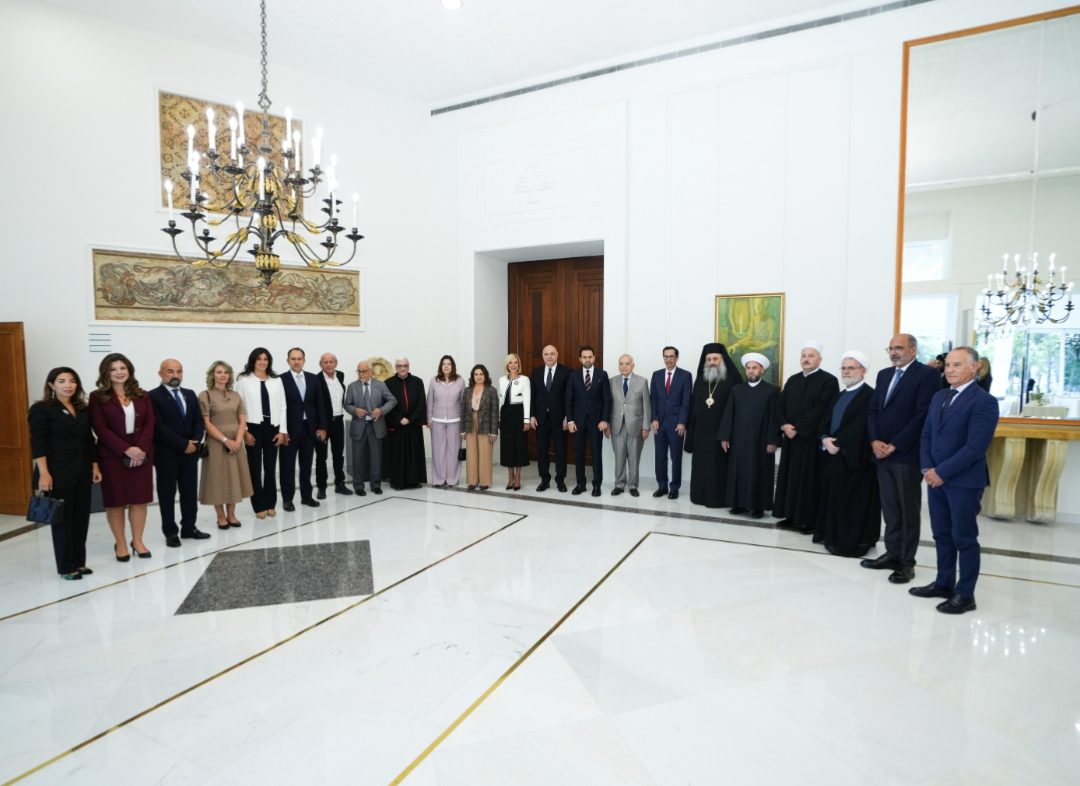
The "Guide for Conducting Interviews with Displaced Persons During Conflicts and Wars" was launched during a press conference under the auspices of the Ministry of Social Affairs, in cooperation between the Journalists' Union in Lebanon and the Syndicate of Social Workers in Lebanon.
The launch of this guide comes in light of the growing need to promote professional and responsible media practices during the coverage of displacement issues, ensuring respect for the dignity and privacy of displaced persons, and protecting them from any practices that may expose them to harm, stigmatization, or re-traumatization.
The guide aims to help journalists conduct interviews with displaced persons in a manner that respects ethical and professional standards, balancing the press's right to document and convey human stories with the duty to protect the most vulnerable individuals during conflicts and wars. It also emphasizes key principles, most notably: prior and informed consent, respect for privacy, do no harm, avoiding the exploitation of suffering, and protecting children and the most vulnerable groups.
During the conference, the importance of cooperation between official, syndical, and professional bodies was emphasized to provide a clear framework that facilitates the work of journalists in the field, strengthens trust between them and the communities affected by displacement, while simultaneously preserving the freedom of journalistic work and its ethical responsibility.
Al-Sayyed
Minister of Social Affairs Haneen Al-Sayyed stated that "this guide constitutes a professional and ethical framework aimed at promoting responsible media coverage that respects human dignity and privacy in times of crises," affirming that "during the recent war, the press played an essential role in conveying the people's voices and connecting citizens to the state and the Ministry of Social Affairs." She stressed "the importance of respecting privacy and human dignity, especially when dealing with children, affected families, and individuals who have gone through traumatic experiences," pointing out that "a question or a picture may cause additional harm if professional and humanitarian standards are not observed."
She saluted "the journalists who were martyred while performing their professional duty and the social workers operating in the field with the displaced," considering that "this cooperation between the ministry, the Journalists' Union, and the Syndicate of Social Workers solidifies the balance between conveying the truth and protecting human dignity."
Moukheiber
The President of the Journalists' Union in Lebanon, Elsie Moukheiber, explained that "the launch of the guide came as a result of the need to establish professional and ethical standards that help journalists balance the transmission of truth with respect for the dignity and privacy of affected individuals, especially in moments of shock and loss."
She saluted "the journalists who continued field work during the war despite the risks, even though some of them were also among the displaced and affected, affirming that the role of the press is not limited to conveying news, but includes protecting people's memory and documenting crimes and violations." She stressed that "the journalist bears a humanitarian and ethical responsibility during coverage," calling for "taking into account the impact of questions and images on people living in harsh conditions."
She considered that "targeting journalists in Lebanon and Gaza aims to prevent the documentation of crimes and silence the voices of victims," affirming that the continuation of journalistic work despite the targeting has contributed to delivering the truth to the world."
Badran
For her part, the head of the Syndicate of Social Workers in Lebanon, Dr. Nadia Badran, emphasized that "respecting professional ethics constitutes a fundamental responsibility in dealing with displaced persons and affected individuals during wars and crises," considering that "media coverage under these circumstances is no longer merely the conveyance of facts, but has become linked to the protection of human rights and dignity."
She stressed "the importance of adopting an approach that takes psychological trauma into account and preserves the privacy and safety of individuals, thereby preventing the reproduction of pain or the exploitation of suffering." She considered that "the guideline acts as a practical translation of core principles, notably informed consent, do no harm, and the prevention of stigmatization and discrimination, while also establishing a partnership between media professionals, social workers, and the Ministry of Social Affairs aimed at promoting responsible media that respects the human being and reflects their reality with dignity."
She concluded by paying tribute to "the journalists and media workers who continued their work during the war, especially those who were injured or lost their lives while performing their professional duty."
The guide is considered a practical step towards consolidating a media culture that is more sensitive to individuals affected by wars and conflicts, and supporting journalists with clear tools that help them perform their professional role in documentation and accountability, without compromising the rights and safety of individuals.

← Previous article
Lahoud informed Rasamny of the security procedures at Beirut Airport