Security
11:57 PM | 07 Apr 2026
400 missiles in minutes: Details of the most violent ambush near Beaufort Castle
Fady Mahouly
The Hebrew Channel 12 revealed extensive details about the ambush carried out by Hezbollah on the banks of the Litani River opposite Beaufort Castle, describing it as one of the most violent confrontations that the Israeli army has witnessed in the recent period.
Channel 12 indicated that the operation came after careful monitoring of the movements of the Israeli forces, as while the military command was following the progress of its units on screens, Hezbollah was in turn monitoring these movements and preparing to carry out the ambush.
According to the data, within a short time, Hezbollah fired about 400 rockets and shells towards the Israeli forces, including rockets carrying cluster munitions, which led to an unprecedented intensity of fire that put the soldiers under tremendous pressure.
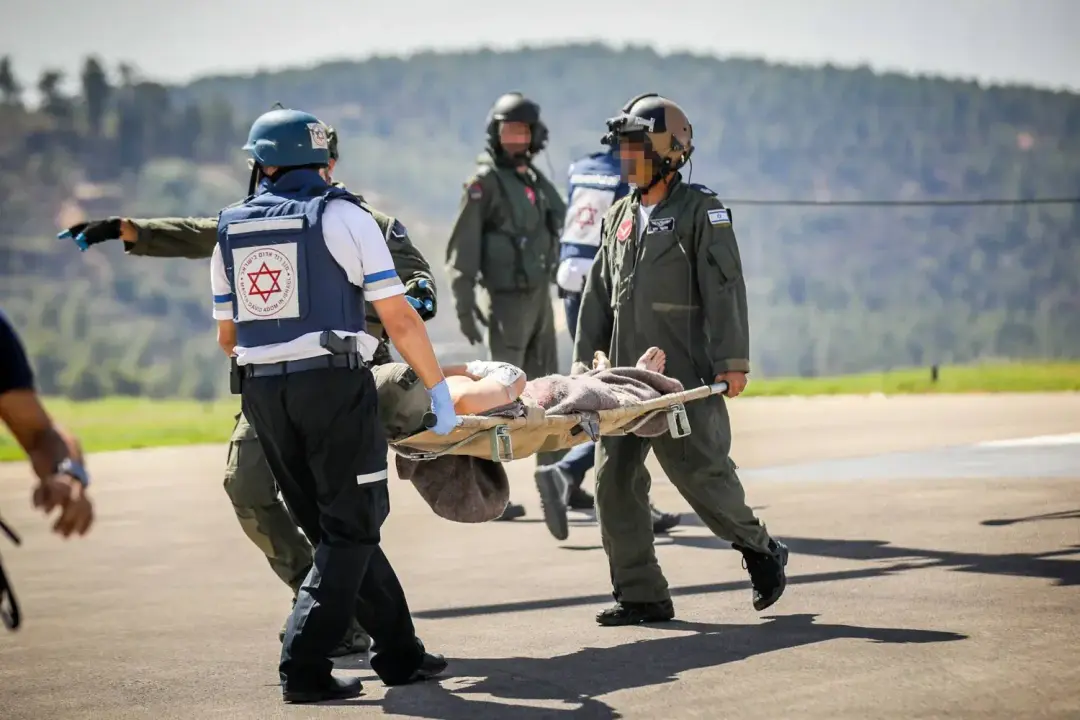
The channel reported that most of the members of the “Yahloum” unit were injured during the ambush, including a lieutenant colonel who was seriously injured, in addition to extensive injuries among the support forces and supporting units, which led to a major field event that included a large number of wounded.
In field testimonies, the channel quoted one of the fighters as saying that he had not witnessed a fire attack of this intensity during nearly three years of fighting, noting that the soldiers were unable to raise their heads and were forced to crawl on the ground during the withdrawal attempt.
Soldiers and commanders also described the battle as one of the most difficult ever, even compared to the operations that the Israeli army fought in Lebanon during Operation “Shares of the North” in 2024 or during the battles in Gaza.
The channel pointed out that the size of the losses and the difficult field situation prompted a decision to withdraw and end the mission, a decision that reached the highest military levels, after consultations between the division commander and the commander of the northern region, and with the approval of the Chief of Staff.
She indicated that the withdrawal took place under complex circumstances, as the forces were forced to take exceptional decisions, including leaving equipment and engineering tools belonging to the “Yahloum” unit on the battlefield, in a step described as unusual and reflecting the difficulty of the field situation.