Israel elects...and the results are close between Netanyahu and Eisenkot
07:18 · 27 October 2026
2 min read

On Tuesday, Israelis began casting their votes in parliamentary elections witnessing close competition between Prime Minister Benjamin Netanyahu and his opponents, amid deep internal divisions and political and security challenges facing the country, according to news reports.
About 7.3 million voters have the right to participate in choosing the 120 members of the Twenty-Sixth Knesset. It is the first parliamentary elections since the attack of October 7, 2023 and the war that followed it in the Gaza Strip.
The competition is centered between Netanyahu, who seeks to retain his position, and former Israeli Chief of Staff Gadi Eisenkot, who leads the centrist Yashar party and aspires to form a coalition capable of ending Netanyahu’s rule. Netanyahu, who has the longest term as prime minister in Israel's history, leads a bloc of religious and right-wing parties, which includes the Likud party he leads, along with extreme religious parties and far-right forces.
On the other hand, Eisenkot seeks to unite disparate political forces behind an alternative coalition, taking advantage of the criticism directed at Netanyahu regarding the security failures that preceded the October 7 attack, and his refusal to bear personal responsibility for them.
Although the Yashar Party is ahead of Likud in some recent opinion polls, the competition is still close, with the difficulty for either camp to obtain a clear majority.
Any government coalition needs the support of at least 61 representatives to ensure a majority in the Knesset, giving small parties a potential role in determining the form of the next government. It is estimated that the opposition forces may resort to forming a minority government that enjoys the support of the Arab parties, if it is not possible to form a coalition that enjoys a stable majority.
There are 37 electoral lists competing in the elections, but expectations indicate that only about a third of them may be able to exceed the 3.25 percent threshold required to enter the Knesset.
In this story:
Benjamin Netanyahu

← Previous article
Trump allocates $1 million to anyone who reports electoral fraud before the midterms
Related Articles

Saudi-Turkish-Pakistani-Iranian talks in Tehran in an effort to prevent a renewal of the war
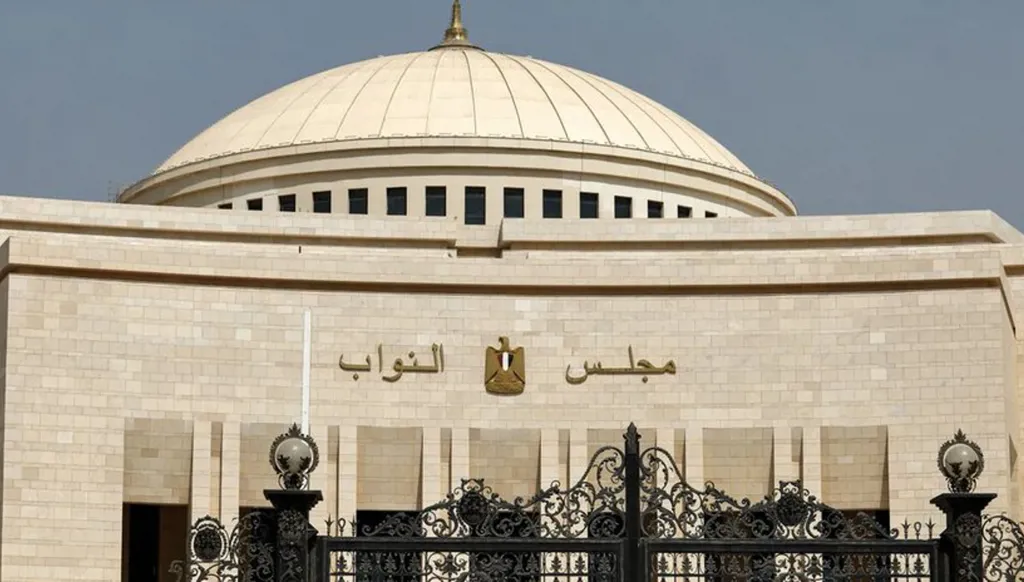
The Egyptian House of Representatives gives Sisi a mandate to defend Saudi Arabia

Tehran hosts a security meeting with the participation of Saudi Arabia, Turkey and Pakistan