"Free Patriotic Movement": We are ready for the parliamentary electoral test at any time
21:48 · 20 September 2026
4 min read
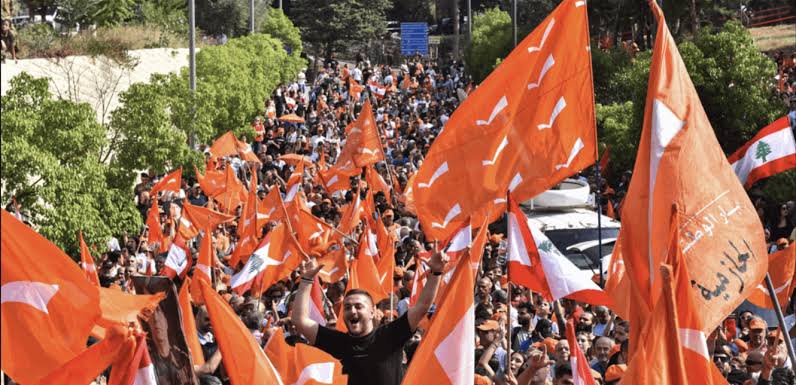
The Free Patriotic Movement held an organizational retreat for the districts at the "Liqa" center in Rabweh, dedicated to discussing the reality of organizational work in the regions, evaluating the previous phase, discussing the action plan for the upcoming phase, alongside enhancing coordination between the districts and the central committees within the movement.
Opening the retreat, the coordinator of the districts follow-up committee in the movement, lawyer Gilbert Salameh, delivered a speech presenting the reality of the districts and organizational work within them, touching upon the most prominent challenges posed. He also explained the action plan of the regions committee for the coming phase and the mechanisms of follow-up and coordination with the districts.
Afterwards, a speech was delivered by the movement's secretary-general, Jihad Salameh, in which he addressed the role of district secretaries and the tasks entrusted to them within the organizational structure, as well as the importance of their role in ensuring the regularity of internal work, following up on files, and enhancing coordination and communication between the districts and the movement's central bodies.
There was also an intervention by the movement's vice president for administrative affairs, Ghassan Khoury, in which he emphasized "the importance of the movement's presence in about 800 towns," pointing to "the attachment of large segments to the path of President General Michel Aoun for 40 years, which places great responsibilities on the movement."
He addressed the work of the central committees, sectors, and districts during the previous phase, dwelling on the course of organizational work in the regions and the progress achieved at this level, in addition to the gaps that need further follow-up and addressing in the coming phase.
Khoury indicated that "the movement has made significant progress in the process of reorganizing work in the regions and districts," considering that "what has been achieved so far constitutes a base that must be built upon and developed by enhancing coordination between central bodies, committees, sectors, and districts, and activating follow-up mechanisms to ensure a more effective organizational presence in various Lebanese regions."
He stressed that "organizational work cannot be linked solely to dates and electoral tests, but rather must be a continuous path that allows the movement to be ready to deal with any development or test at any time, and for the districts to be capable of moving and working starting from a clear and effective organizational structure."
In this context, Khoury dwelt particularly on the parliamentary electoral test, stressing that "it cannot be dealt with on the basis that it is postponed until the year 2028, or that organizational plans are built on the assumption that the elections will definitely take place on that date." He said: "What is required is for the movement across Lebanon to be in a state of permanent organizational readiness for the parliamentary test, whatever date is set for it, whether it is in the year 2028 or tomorrow, and districts and partisan bodies must work from now on with the mindset of permanent readiness, rather than waiting for the election date to be set to start preparations."
Khoury linked this readiness to "the importance of completing organizational work in the regions and developing coordination between districts, central committees, and sectors, so that the coming phase transforms into a phase of continuous work and follow-up, and party organization is able to keep pace with upcoming tests whenever their time arrives."
In the practical part of the retreat, the districts were divided into workshops with the central committees, each according to the relevant files and sectors, where sessions were dedicated to discussing mechanisms of work and coordination, and determining priorities and organizational needs for the coming phase.
The retreat concluded with an internal meeting gathering the head of the Free Patriotic Movement, MP Gebran Bassil, with the participating party cadres, during which a political and organizational discussion took place addressing the current phase and national tests, alongside the reality of party work in the regions and the role of districts in the coming phase.
According to a statement, "The workshops constituted a space for direct discussion between district officials and central committees, with the aim of developing communication and follow-up mechanisms between the various organizational bodies, and moving from evaluating the previous phase to developing practical visions for work in the coming phase. The meeting provided an occasion for internal dialogue with the cadres regarding a number of raised issues, and views were exchanged with a set of observations and questions raised regarding the political and organizational work of the movement, within the framework of discussion about the coming phase and readiness for awaited tests."
← Previous article
Injuries from shooting at a café
Related Articles
"Distortion of Joe Saddi's Positions"... The Lebanese Forces: The Government Is Not Assuming Its Responsibilities
Gemayel: We will not accept the reality of weapons... and everyone must assume their responsibility
Regarding apples... Here is what Geagea said