Energy
02:35 PM | 14 Aug 2026
Tripoli Electricity ignites a debate.... And Al-Sadi: There is no discrimination in nutrition between the regions
Fady Mahouly
The media office of the Minister of Energy and Water, Joe Al-Saddi, responded to the statement of MP Major General Ashraf Rifi, in which he considered that Tripoli is being electrically punished by receiving only about two hours of nutrition per day, while other regions receive more hours of nutrition.
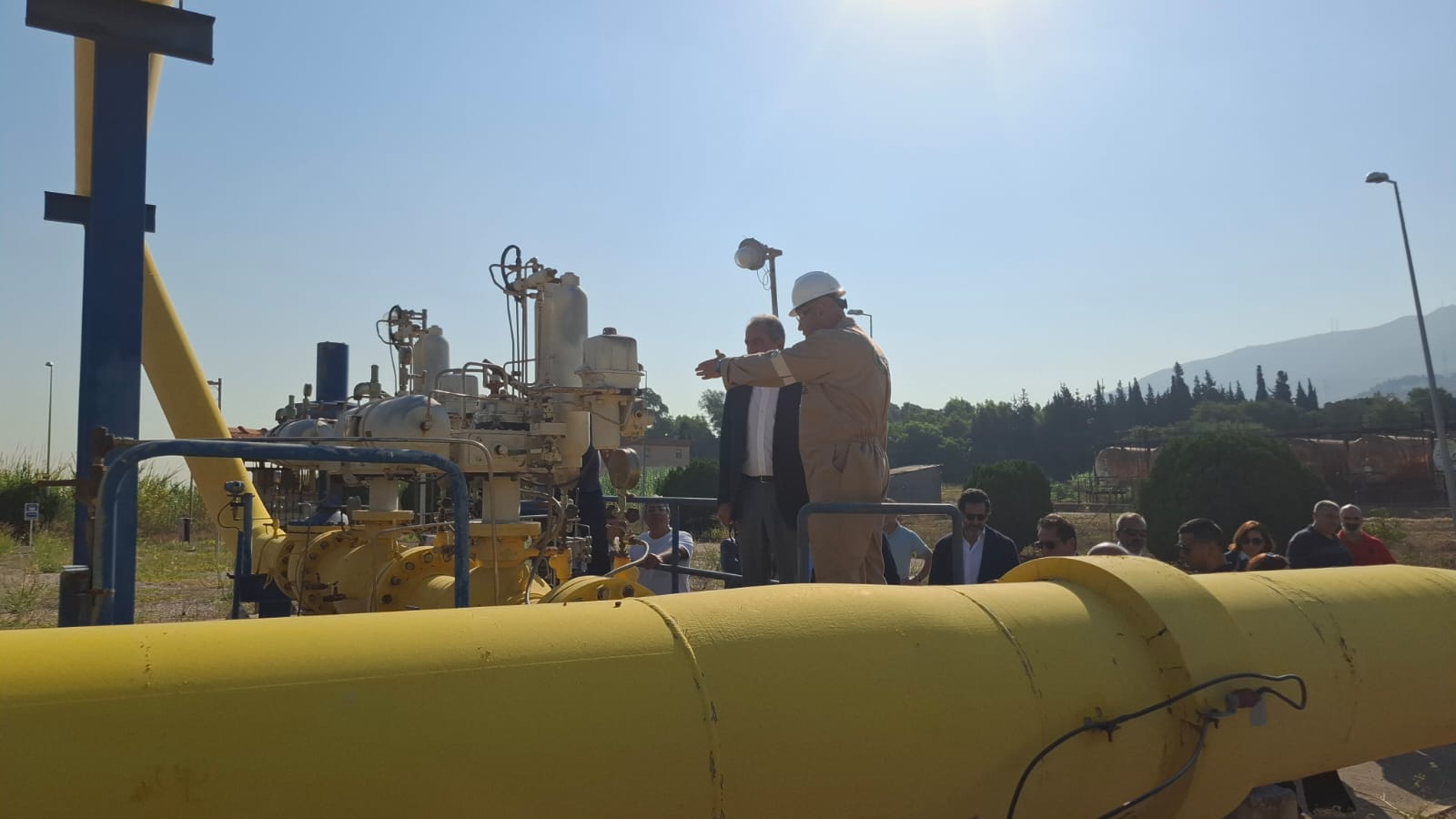
The office confirmed that Al-Sadi “insisted during his recent visit to Tripoli on holding an open meeting with the city’s representatives and its activists, and informed them of the upcoming projects in the facilities, the refinery, the Arab gas line, and the Deir Ammar plant, and their positive impact on the economic movement and job opportunities.”
He explained that the minister presented during the meeting the reality of electricity production, noting that the state and its ministries, institutions and departments have accumulated dues to the Electricité du Liban Corporation amounting to about $250 million, considering that paying them is necessary to secure the continuity of nutrition during the summer, in light of the security developments, the Strait of Hormuz crisis, and the reality of oil markets globally.
He added that Al-Saddi presented the seven axes he is working on in the electricity sector, and listened to the MPs’ concerns and questions, stressing that the Electricité du Liban “deals with the Lebanese without discrimination,” and that addressing the rationing crisis also requires stopping electricity theft and default on payments.
The office indicated that the Electricité du Liban, after reviewing it based on Rifi’s complaint, confirmed that there was no discrimination between Tripoli and other regions in terms of nutrition, stressing that the reality of electricity is difficult in various Lebanese regions.
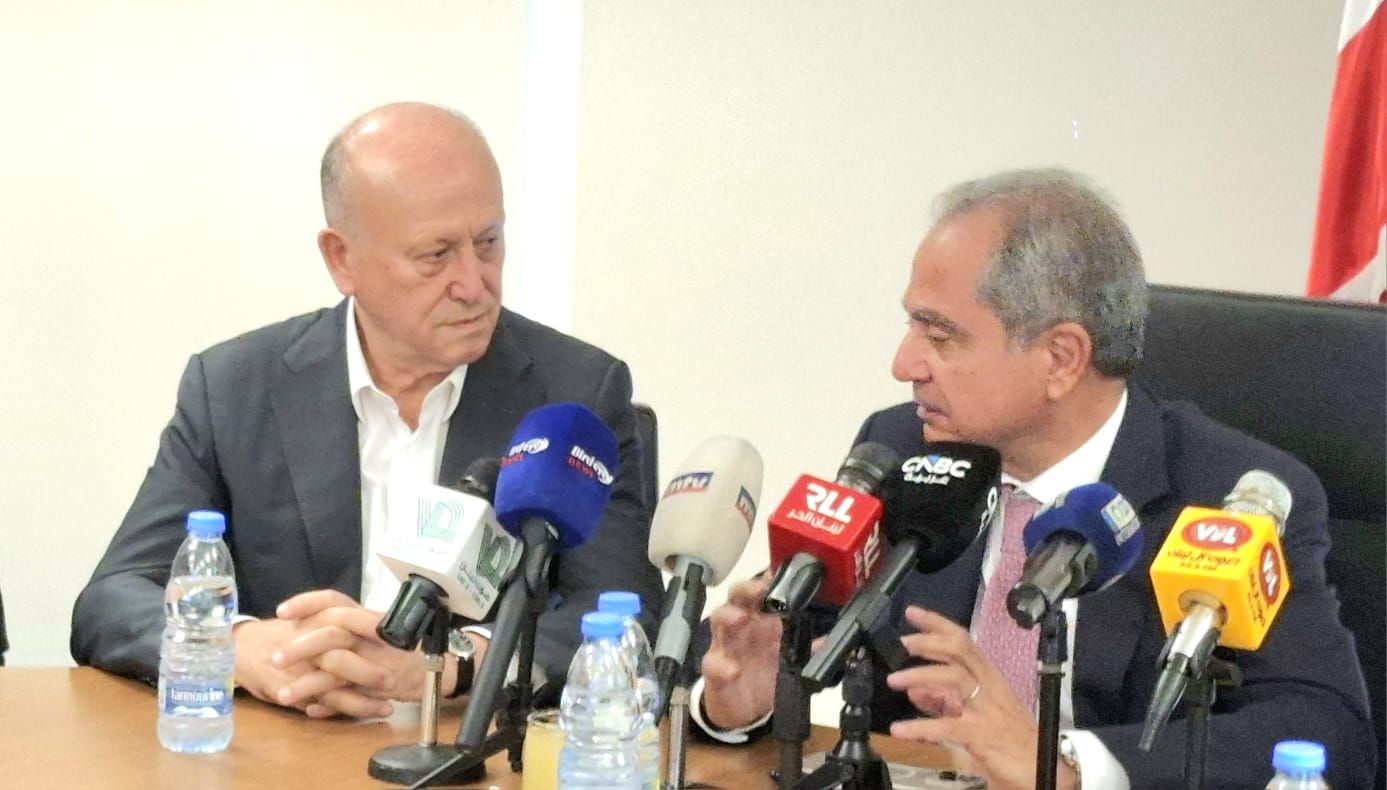
For his part, Rifi explained that his position was not directed against Al-Saddi personally, but rather was an “expression of people’s pain and anxiety,” stressing that the people of Tripoli have the right to know the reasons and standards for distributing electricity between the regions.
Rifi said that he appreciates “Al-Saddi’s integrity, integrity, and the efforts he is making in the Ministry of Energy,” considering that the minister’s clarifications “contribute to putting things in perspective.”
He added: “Our duty is to be the voice of our people, and to convey their demands and concerns to the officials,” stressing that what he proposed had previously been discussed with the minister during his recent visit to Tripoli.
Rifi concluded by stressing that debate, “as long as it is within the framework of responsibility and respect, is a natural thing in political life and demands,” stressing that what happened “will not spoil the amicable issue.”

← Previous article
“Obama” and “Al-Tablog” are in the grip of the Information Division