Environment
10:21 AM | 14 Aug 2026
“Not explosive”... “Environment” and “Agriculture” explain the truth about Lebanon’s electricity materials
Fady Mahouly
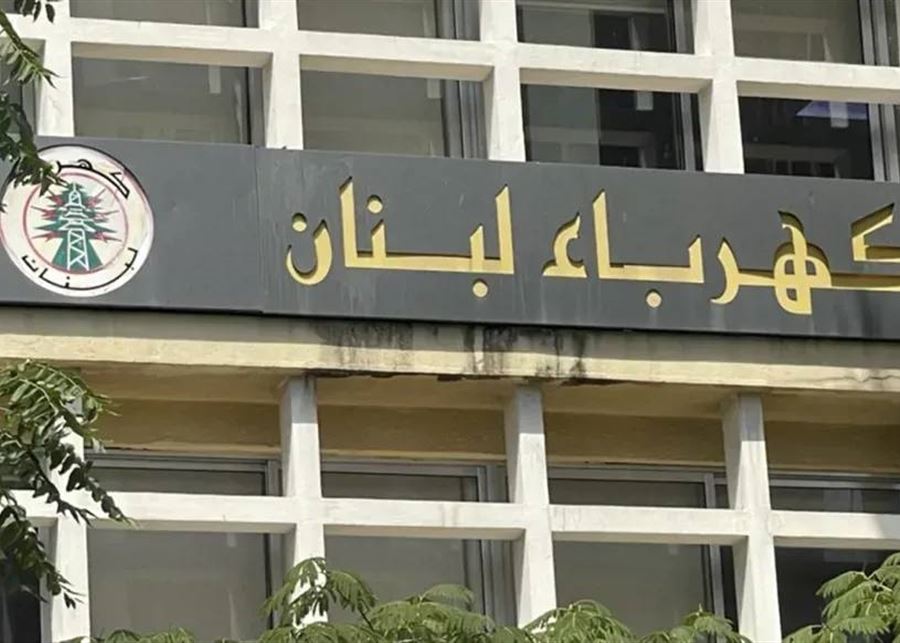
The Ministries of Agriculture and Environment clarified what is being circulated regarding expired chemicals belonging to the Electricité du Liban, especially Trisodium Phosphate.
They confirmed that the materials subject to the proposed treatment, according to their safety data, are non-explosive and non-radioactive, and do not cause panic. However, dealing with, transporting and processing it must be done in accordance with scientific and legal principles, and under the supervision of the competent authorities.
The two ministries indicated that the Ministry of Environment has determined the environmental conditions and standards for treating or disposing of expired materials, while the Ministry of Agriculture is responsible for evaluating the suitability of any material proposed for use in agricultural lands.
After studying the proposed solution for treating trisodium phosphate and using it as an agricultural fertilizer, the Ministry of Agriculture rejected this use, explaining that the material contains a high percentage of sodium, amounting to about 40%, while the percentage of sodium in any material used as fertilizer should not exceed 3%.
She confirmed that using the material as fertilizer or distributing it on agricultural lands does not comply with the approved technical, laboratory and administrative standards, in order to ensure the safety of soil, water and agricultural production.
The Ministry of Environment asked the Electricité du Liban, in its capacity as the owner of these materials and legally and technically responsible for their management, to immediately retrieve the remaining quantities to its warehouses and store them in an environmentally sound manner, until an alternative and safe scientific methodology is adopted to treat them.
She added that if it is not possible to find an environmentally sound way to treat these materials inside Lebanon, work must be done to transfer them to a country where qualified facilities and technologies are available to treat and dispose of them, in accordance with the provisions of the Basel Convention and applicable laws.
The two ministries concluded by emphasizing continued coordination and joint follow-up of the file, and called for obtaining information from official and scientific sources and avoiding raising concerns through inaccurate descriptions.
← Previous article
An increase in the prices of gasoline and diesel... What about gas?
Related Articles
Deportation of expired chemicals...and “Electricité du Liban” clarifies

"Jezzine faces danger"... The Free Patriotic Union warns of chemical waste in Bisri
A large fire in the forests of Ain Jurfa - Hasbaya and appeals to extinguish the fire before it expands