Politics
02:23 PM | 25 Apr 2026
Qubaisi: We reject any form of negotiation that might impose a reality that serves Israel
Fady Mahouly
The Amal Movement - Tuffahta Division organized a massive memorial celebration in honor of the souls of its six martyrs who were martyred in the Israeli raid that targeted the town of Tuffahta in the last war. They are: Hussein Adel Obaid, Hassan Ahmed Al Ali, Hadi Kifah Zbeeb, Haroun Ali Zbeeb, Muhammad Ali Obeid, and Malek Fahd Saleh.
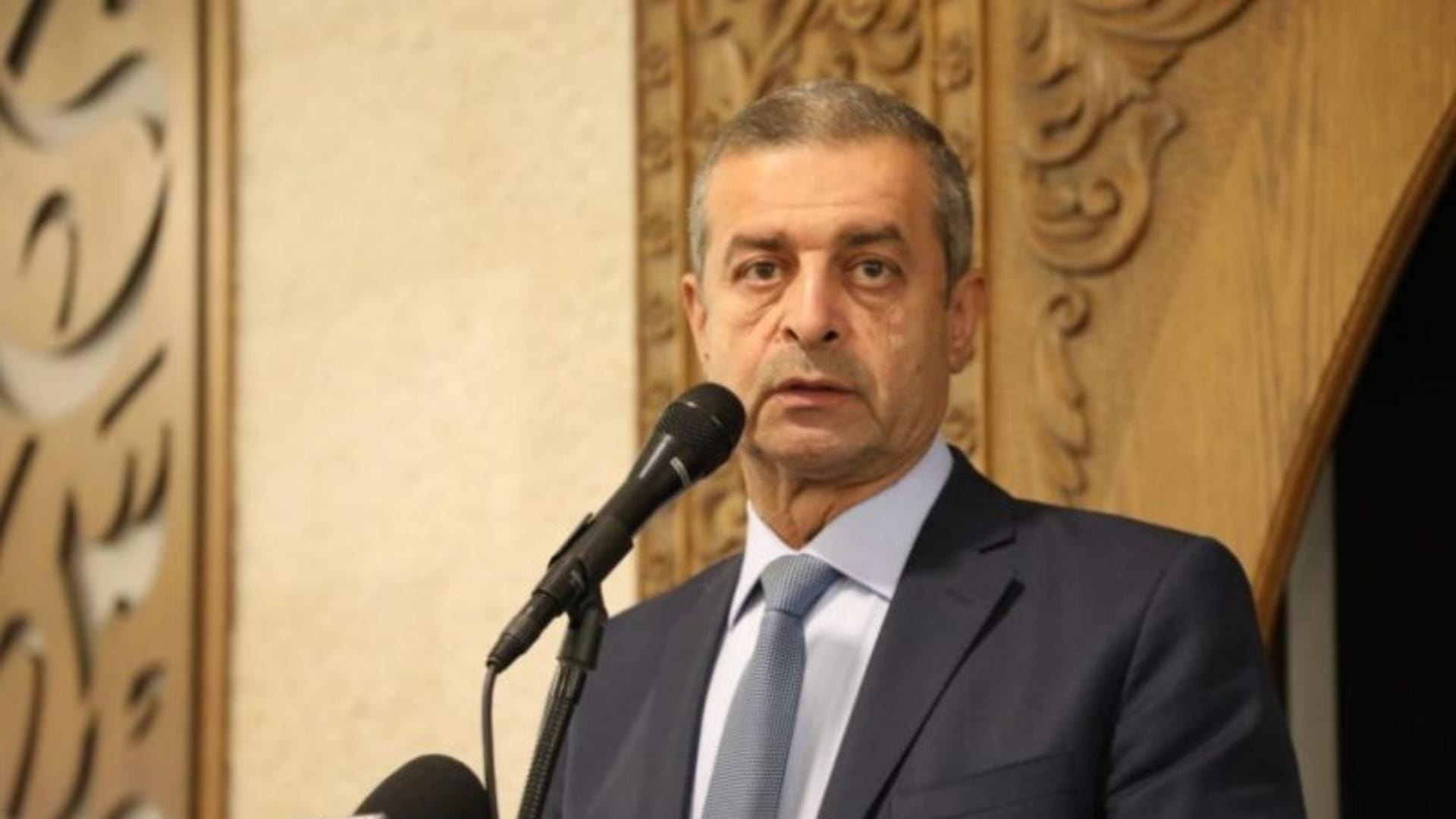
The celebration was attended by the head of the movement's political bureau, Jamil Hayek, the director of the office of the Speaker of the House of Representatives in Al-Musaylih and member of the "Parliamentary Development and Liberation" bloc, MP Hani Qubaisi, the Mufti of Tire and Jabal Amel, the central cultural official in the "Amal" movement, Judge Sheikh Hassan Abdullah, and a group of scholars, in addition to a delegation from the leadership of the southern region and the sixth region of the movement, social, security, union and educational activities, and a crowd of mourners from the people of the town of Tuffhata and neighboring towns and families. Martyrs.
Representative Hani Qubaisi delivered the Amal Movement’s speech, at the beginning of which he saluted Tuffahata and its martyrs and their “message” in helping the wounded and their sacrifice in defending Lebanon, its land and its sovereignty.
Regarding the political issue, Kobeissi stressed “the necessity of protecting internal unity and ensuring harmony between the people’s sacrifices and steadfastness and what the resistance offers, and between those who lead the state to a reality through which it is intended to emerge from the crisis that is controlling the nation.”
He called on the Lebanese state to adhere to international norms and laws and not to give up on them, and to adhere to international institutions that have sponsored security and peace around the world for a long time, considering that "the first option must be to adhere to these decisions and not abandon their role."
Recalling President Nabih Berri’s position, Qubaisi pointed out that “the most the Lebanese can offer is to adhere to International Resolution 1701, obligating Israel to cease fire, withdraw from Lebanese territory, and return the people to the villages from which they were displaced.”
He stressed "the necessity of adhering to the best relations with the Arab countries, rejecting any form of negotiation that might impose a reality that serves Israel." He said: "We cannot take any position that brings good to this enemy that killed our children, displaced our people, destroyed our villages, and invaded our country for long periods of time. Rather, we can only stand against it alongside the resistance fighters to defend this land."
He stressed "adhering to normal relations with the sister countries that supported Lebanon, especially the Arab ones," stressing that "Lebanon is an Arab country according to the Taif Agreement, and it adheres to its Arab and Islamic relations, and will seek to benefit from the support of these countries so that Lebanon remains a state and institutions that do not give up their rights but rather secure the good for their children."
Qubaisi added, warning against the “New Middle East” projects, asking: “Is it a threat to Lebanon or to the entire region? Is Lebanon the Middle East in order to change its face? Or is this a threat to all Arab and Islamic countries to change the regimes and the reality in them?”
He concluded by emphasizing that “this aggressive project targets not only Lebanon, but the entire Arab nation and the region with all its sects and sects,” stressing that “Lebanon’s stance is not only a defense of its borders, but a defense of the entire region and the values, principles, and message for which the martyrs sacrificed.”