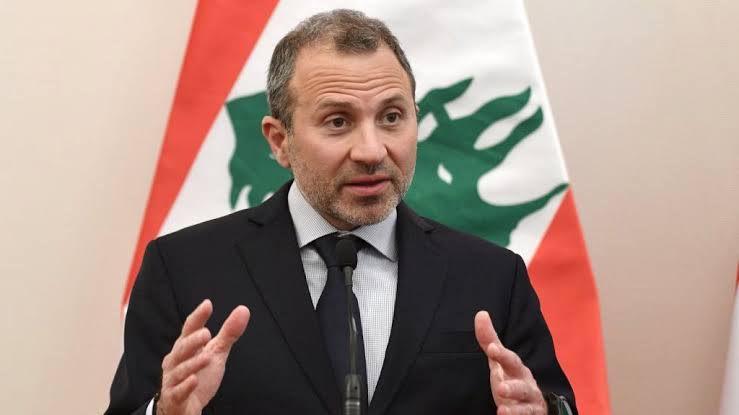
A parliamentary memorandum received by Berri... here is its content
13:43 · 06 October 2026
5 min read
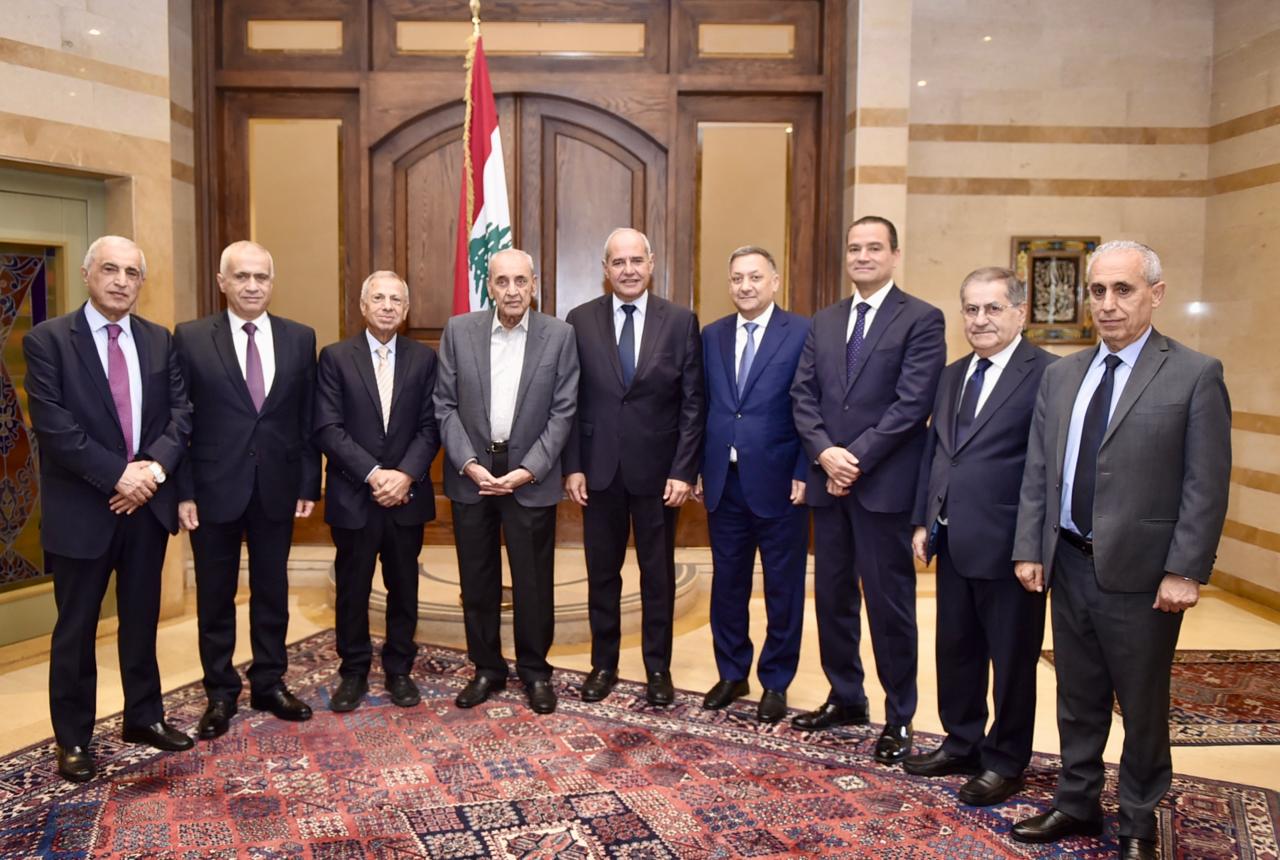
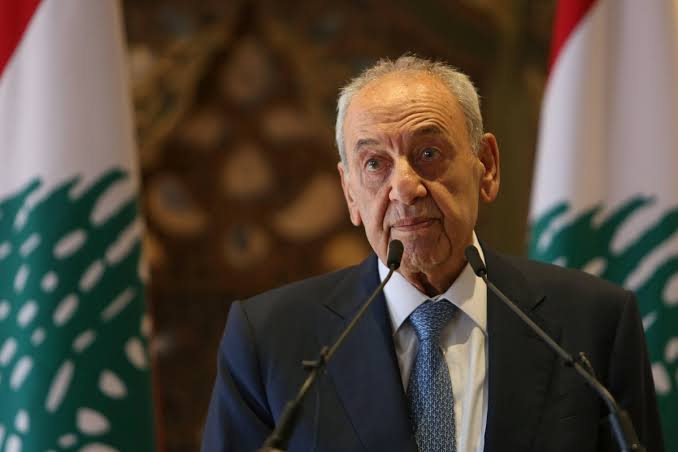
His Excellency the Speaker of the House of Representatives, Mr. Nabih Berri, received, at the headquarters of the Second Presidency in Ain al-Tineh, a parliamentary delegation that included Representatives: Melhem Khalaf, Faisal Al-Sayegh, Nasser Jaber, Muhammad Khawaja, Qasim Hashem, Edgar Trabelsi, Michel Moussa, and Adnan Trabelsi, where the meeting dealt with the general situation, political and field developments, and legislative affairs.
The delegation handed over to Speaker Berri the parliamentary memorandum signed by 86 representatives regarding adherence to the presence of UNIFIL forces in southern Lebanon.
After the meeting, MP Melhem Khalaf spoke, saying: “We met with Speaker Berri to complete the document and book that were signed by 86 representatives of the Parliament, that is, by a described majority, regarding adherence to UNIFIL forces and the request to reconsider Resolution 2790.”
He added: “We are making our tour of all the references, especially His Excellency the President and His Excellency Speaker Berri, to emphasize the national position that we are trying to adhere to by adhering to UN resolutions, and through the presence of UNIFIL inside the south as an international protective umbrella for our people there. As we approach the issue, especially in light of Resolution 2790, it has become clear to us that its implementation is subject to interconnected obligations, not only linked to the exit or withdrawal of UNIFIL forces from southern Lebanon. This exit from southern Lebanon requires, in accordance with Resolution 2790, that there be confirmation of the Israeli withdrawal outside Lebanese territory, and is accompanied by the handover of UNIFIL sites to the Lebanese army, and the re-extension of the Lebanese state’s authority over all its territories. Today, there is an impossibility of enforcing these interconnected obligations, especially since there are 33 UNIFIL points on the Blue Line. If it withdraws from them, Resolution 2790 requires that they be handed over to the Lebanese state. How will they be handed over to the Lebanese state, especially since these areas are occupied today?
He added: “Therefore, there is no possibility of enforcing Resolution 2790, and there is an impossibility. If this impossibility occurs, we will be exposing the South to the gravest dangers represented by a vacuum, and this vacuum will have dire consequences for Lebanon:
First: closing in on today’s villages that still communicate, between Rmeish, Ain Ebel and Dibal, with the Lebanese interior through safe and humanitarian corridors provided by UNIFIL. Tomorrow, if there is no UNIFIL, what will happen?
Second: The greatest danger is that the UNIFIL forces will leave and a vacuum will occur, which means consolidating the occupation without strengthening the state, and that it will have its exclusivity, its own capabilities and its own forces, without any dispute, over the south.”
He continued: “The withdrawal of UNIFIL and the emergence of a vacuum weakens the Lebanese state instead of strengthening it, so this is an additional danger to this international withdrawal.
Third: There is a basic point related to the stability factor, that is, the departure of UNIFIL from southern Lebanon is a factor of instability. Therefore, this matter is essential, without mentioning that if friction occurs, such as what is happening today between the Lebanese army and the Israeli army, especially as happened in Zawtar and Deir Mimas, the one who dealt with the friction is UNIFIL. Who is the third party that will play this role? These are some of the reasons and consequences that pose a danger as a result of the vacuum that could be created by UNIFIL’s withdrawal.”
Khalaf concluded: “All of this takes us to another place, which is adherence to UNIFIL, because it is linked to a basic goal that is clear in Resolutions 425, 1701 and 2790, which emphasize verifying the Israeli withdrawal, and helping the Lebanese state to empower it with its own capabilities and capabilities, as well as international peace and security enshrined in the United Nations Charter under Articles 24 and 99. All these guidelines and rules maintained by the United Nations today are in danger. Therefore, we submitted this memorandum that we delivered to the President, and it includes clear demands on how to maintain this force, and if not this force, then any alternative military force must remain under the UN umbrella.”
The Speaker of Parliament also received the Chargé d'Affaires of the Embassy of the Republic of Azerbaijan in Lebanon, Farhad Gulu Zadeh, in the presence of the official of the Amal Movement's Central Foreign Relations Office, Ali Hayek, where the general situation and bilateral relations between the two countries were presented.
Speaker Berri also received the Chargé d'Affairs of the Embassy of the Syrian Arab Republic in Lebanon, Iyad Al-Hazzaa, in the presence of the Media Advisor to the Speaker of the House of Representatives, Ali Hamdan, where the meeting discussed the general situation in Lebanon and the region and Lebanese-Syrian relations.
In this story:
Nabih Berri
More from:
South Lebanon news
← Previous article
Al-Saddi announces his retirement from Cabinet sessions: The country must not remain a hostage to any party
Related Articles
A land and peace meeting in Ain al-Tineh... Washington, electricity, and economic conditions are on the table
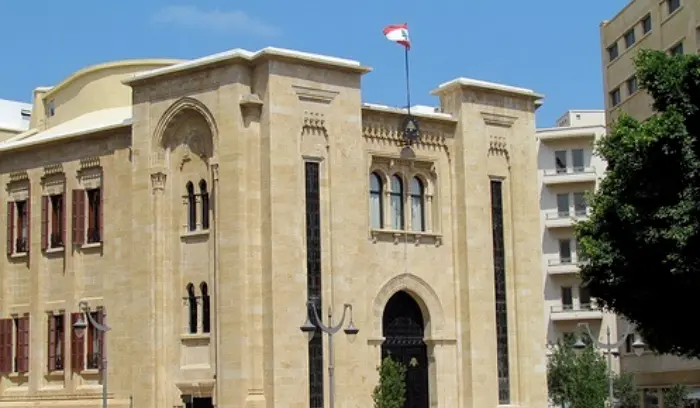
A press conference for representatives to demand that UNIFIL remain in the south tomorrow
Speaker Berri called for a session of the joint committees... What is on the agenda?