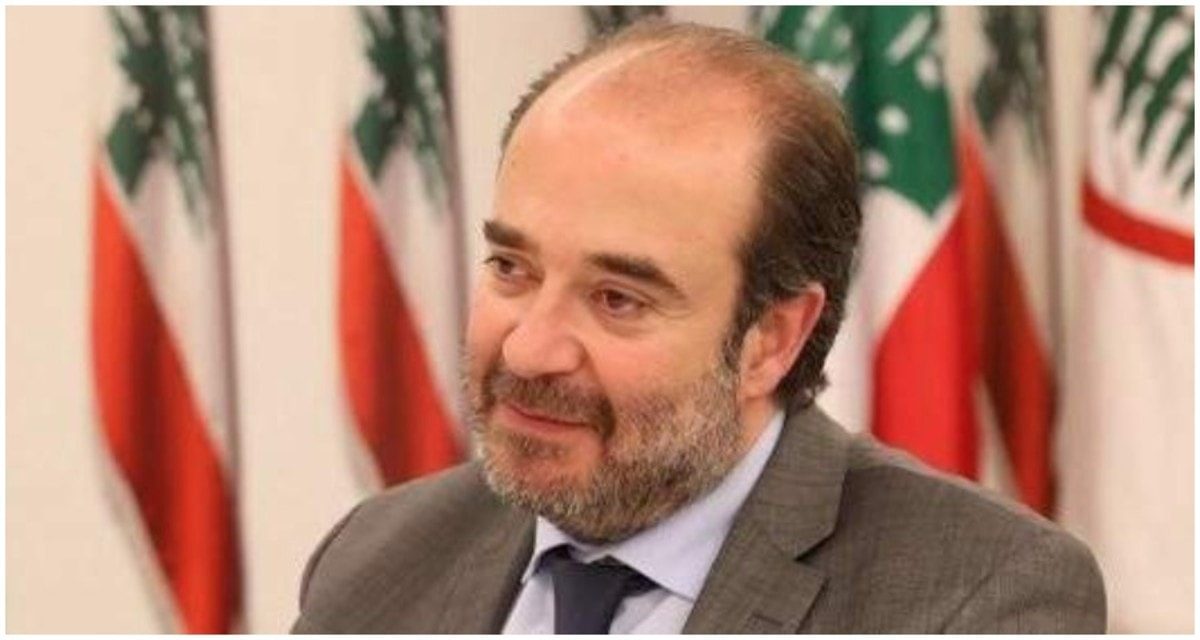
Salam: Our goal is complete Israeli withdrawal from Lebanese territory
08:37 · 05 October 2026
4 min read
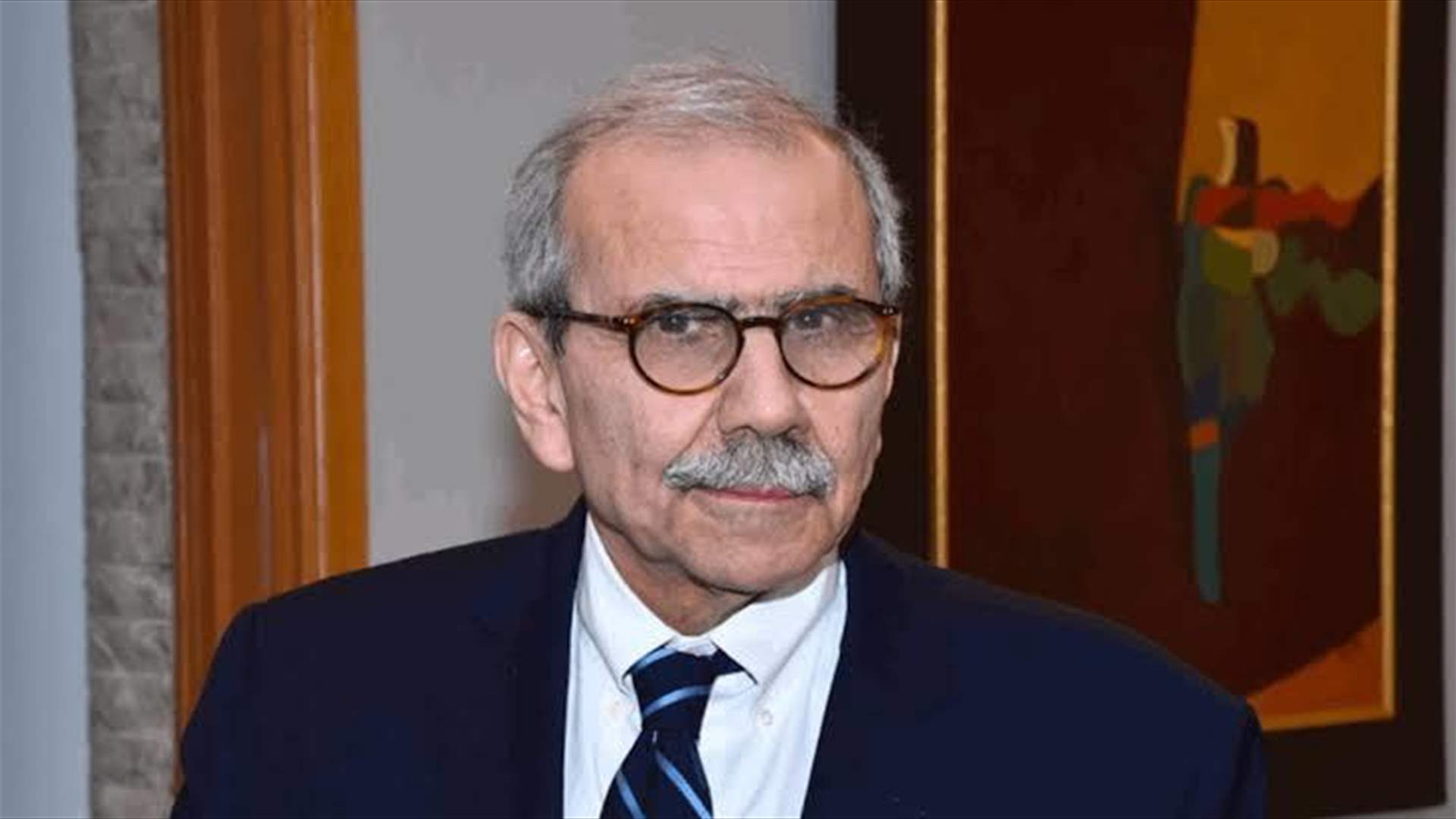
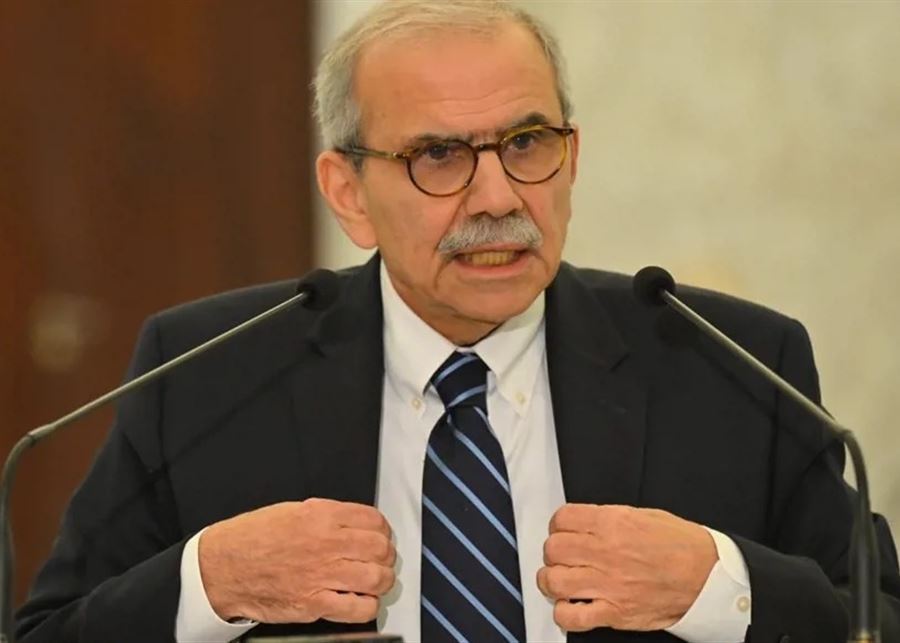
Prime Minister Dr. Nawaf Salam stressed that “wherever people can return, and wherever the state can be present, it must be present. This is the message I wanted to deliver: the state is keeping pace with this return not only in terms of security, but also in terms of services.”
He said in an interview with NBN: “We immediately began renovating and supporting schools, so that students can register and return to their schools, and in the second phase, we will begin renovating five hospitals.”
He pointed out, "Our capabilities are limited, but I want to mobilize all our capabilities for the path of return and recovery and to begin reconstruction at the same time. We all know the reality of the country. We need external funding."
In response to a question, he said: “I did not say that the war is over. But we are doing all this because I cannot tell people: Wait. I cannot ask them to remain in places of shelter and refuge indefinitely,” stressing that “The borders of our sovereignty are our internationally recognized borders, and what is required is a complete Israeli withdrawal from them.”
Salam added: “The framework we are talking about is based, for me, on two basic principles: reciprocity and phasedness. But what is missing in this framework today is a timetable. I want to know: When will Israel withdraw? And when will it withdraw from the positions it occupies? There must be a timetable so that this framework is translated into practical steps that people can see. On the other hand, when we talk about reciprocity, I say clearly that extending the authority of the Lebanese state over its entire territory by its own forces is not a new commitment,” pointing out that “confining arms.” It is something we agreed upon since 1989 in the Taif Agreement, and we reaffirmed it in international resolutions, and then in the declaration of cessation of hostilities in November 2024. We are committed to it.”
He stressed that "we did not link the Israeli withdrawal to the process of collecting weapons or handing over weapons. Extending state authority over its entire territory is a commitment that we, the Lebanese, took upon ourselves, before any external party requested it. There is no secret agreement. There is a security and military annex, and these annexes, according to customs, the details of which are not always announced due to their security and military nature. So someone tell me: What is the new commitment that we have committed ourselves to that we were not committed to previously?"
He said: “Would I have written this framework in the same way if I had drafted it? Certainly not. There are many things that I would have formulated differently and more clearly. For example, when the text talks about the repositioning of Israeli forces outside Lebanese territory, I interpret that as a complete withdrawal to our internationally recognized borders. We must also understand the nature of this framework. There are those who treat it as if it were an agreement or treaty. The agreement or treaty produces legal obligations. As for this, it is a political framework, or a road map, and does not in itself produce legal obligations. Of this kind,” stressing that “not a day goes by without us confirming that our goal is complete Israeli withdrawal from Lebanese territory.”
He explained, "We do not want to reopen a discussion that we started decades ago. We talked about restricting weapons in Taif in 1989. We do not have time to waste in new negotiations on matters that we previously agreed upon."
He asked: "When Israel withdrew in 2000, why did the army not enter all the border areas? The army is to protect our people and protect our borders. We certainly want an army that is equipped, armed, and capable of carrying out its duties."
Regarding the imminent end of the missions of the UNIFIL forces, President Salam announced, “What concerns me is that there will not be any vacuum in the south after the end of the UNIFIL mission. We will still need the presence of an international force in the south. Its name may not be “UNIFIL,” and it may have another form that has not yet been determined. I explained that to the Secretary-General of the United Nations. What concerns us is that any force be under the umbrella of the United Nations and with a mandate from the Security Council.”
In this story:
Nawaf Salam
← Previous article
Netanyahu: Our enemies threaten our maritime domain
Related Articles
$200 million to Hezbollah...the first Iranian support during the war
Salam: There is no sovereignty by deciding to go to war outside the state... and Taif applies in all its provisions
Naeem Qassem: We are ready to cooperate on internal issues in accordance with the established constitutional frameworks without external dictates