40 wheat trucks are stuck... and Tarshishi: Is it required that we keep waiting for Ukrainian wheat?
12:33 · 02 October 2026
3 min read
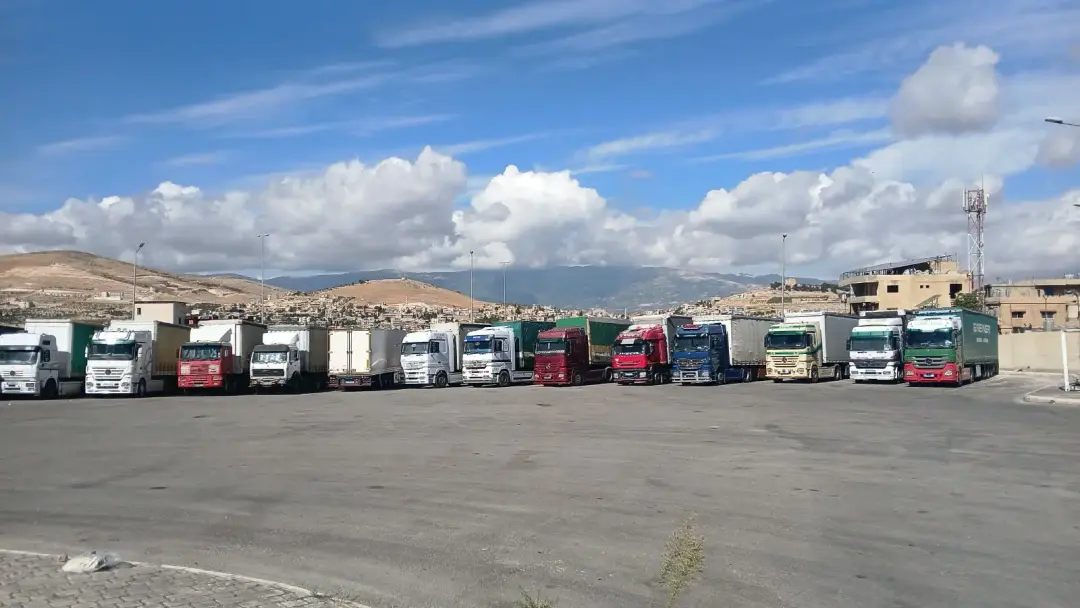
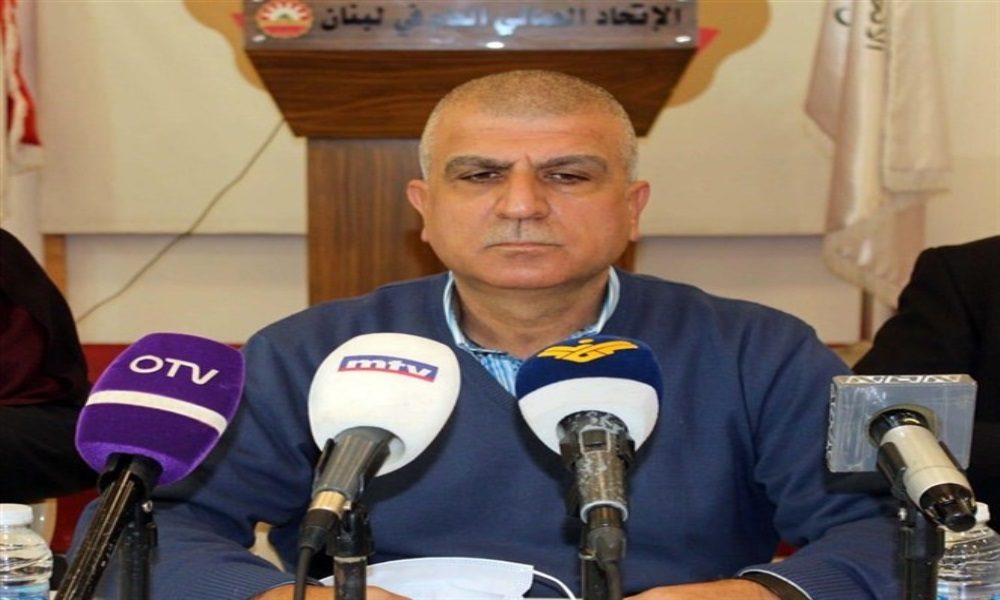
The head of the National Union of Lebanese Peasants, Ibrahim Tarshishi, announced that “more than 40 trucks loaded with wheat have been parked inside the factory’s customs yard since Monday, despite obtaining licenses to export to Jordan from the Ministry of Economy.”
He said in a statement: “The Ministry of Economy, despite issuing export licenses, is still postponing and delaying the completion of transactions and granting final permission to the trucks, without knowing the reasons,” noting that “this delay led to the disruption of the trucks and created crowding inside the factory.”
He explained that "some buyers from Jordan had come to buy wheat, but the current measures have hindered the sales and export process." He asked: "The Minister of Economy does not receive the wheat to buy it and supply it to restaurants, and he does not let the farmer sell it abroad, even though he gave him an export permit." He said: "Is it required that we continue to wait for Ukrainian wheat?" The mills do not buy, and the Lebanese farmer is prevented from exporting his crop, and we remain waiting if the Ukrainian wheat will arrive or not, and if the sea will open or not. This is unacceptable and unacceptable.”
He stressed that "disrupting the distribution of wheat means disrupting farmers' livelihoods, especially since quantities of wheat are still piled up since last year, while the current year's crop is now present, and farmers are on the verge of a new growing season," noting that "mills either buy wheat at the prices they desire, i.e. 20% less than the world price, equivalent to $40, or they refrain from buying it, while the farmer finds himself facing a problem in disposing of his crop, even some merchants."
He said: “There are a hundred calamities over our heads, as if we are being told that wheat cultivation has become a thing of the past, and that no one should grow wheat. Instead of telling the farmers, plant, export and sell your crop at good prices, we will receive it from you at encouraging and subsidized prices. However, what we are experiencing is the exact opposite, left without official support. What is worse is Iraq’s invention to not dispose of the production and allow it to be exported, as if what is required is to destroy the wheat farms as is happening currently,” stressing his “respect.” He loved the Minister of Economy, but he wondered about the reason for these measures towards wheat farmers.”
He concluded by pointing out that "the trucks are still present in the factory, and they number 40 trucks loaded with more than 1,200 tons of wheat ready for export to Jordan. They have export permits, but we do not know the reason for their detention."
← Previous article
Salam: Our commitment has not changed... and Lebanon will not wait for regional settlements