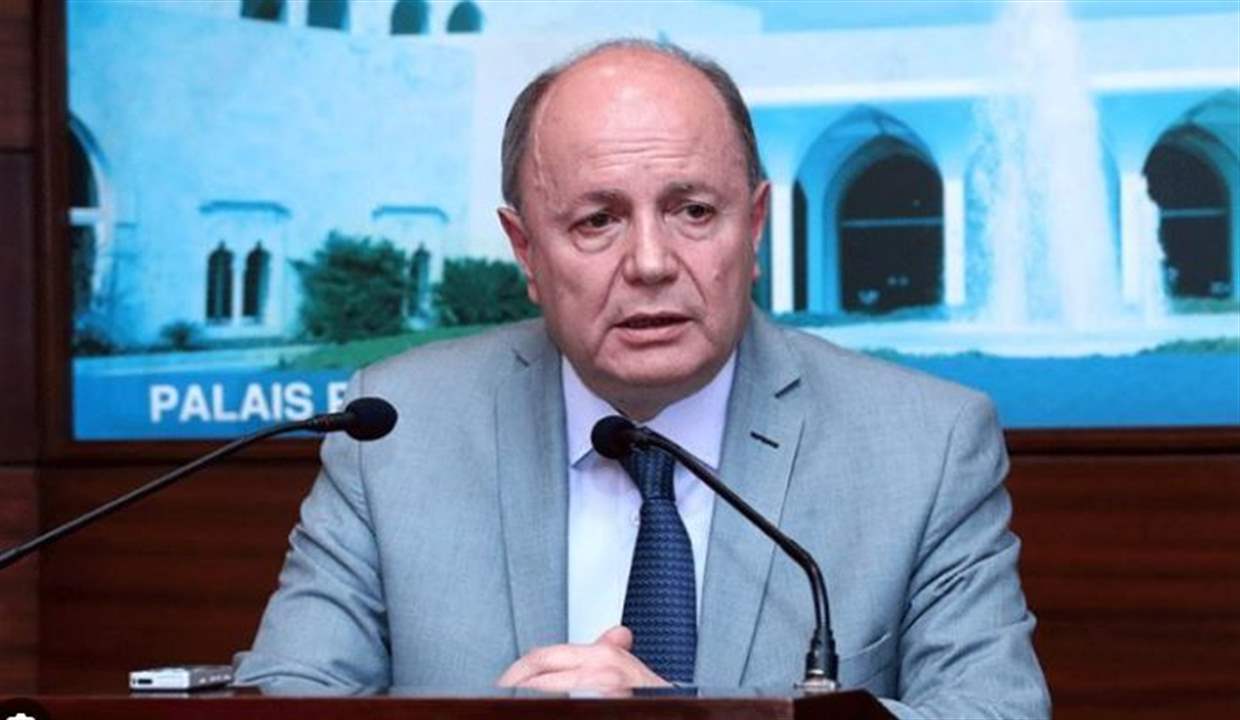
Jaber: The 2027 draft budget is being prepared within a five-year medium-term financial framework
13:55 · 19 September 2026
3 min read
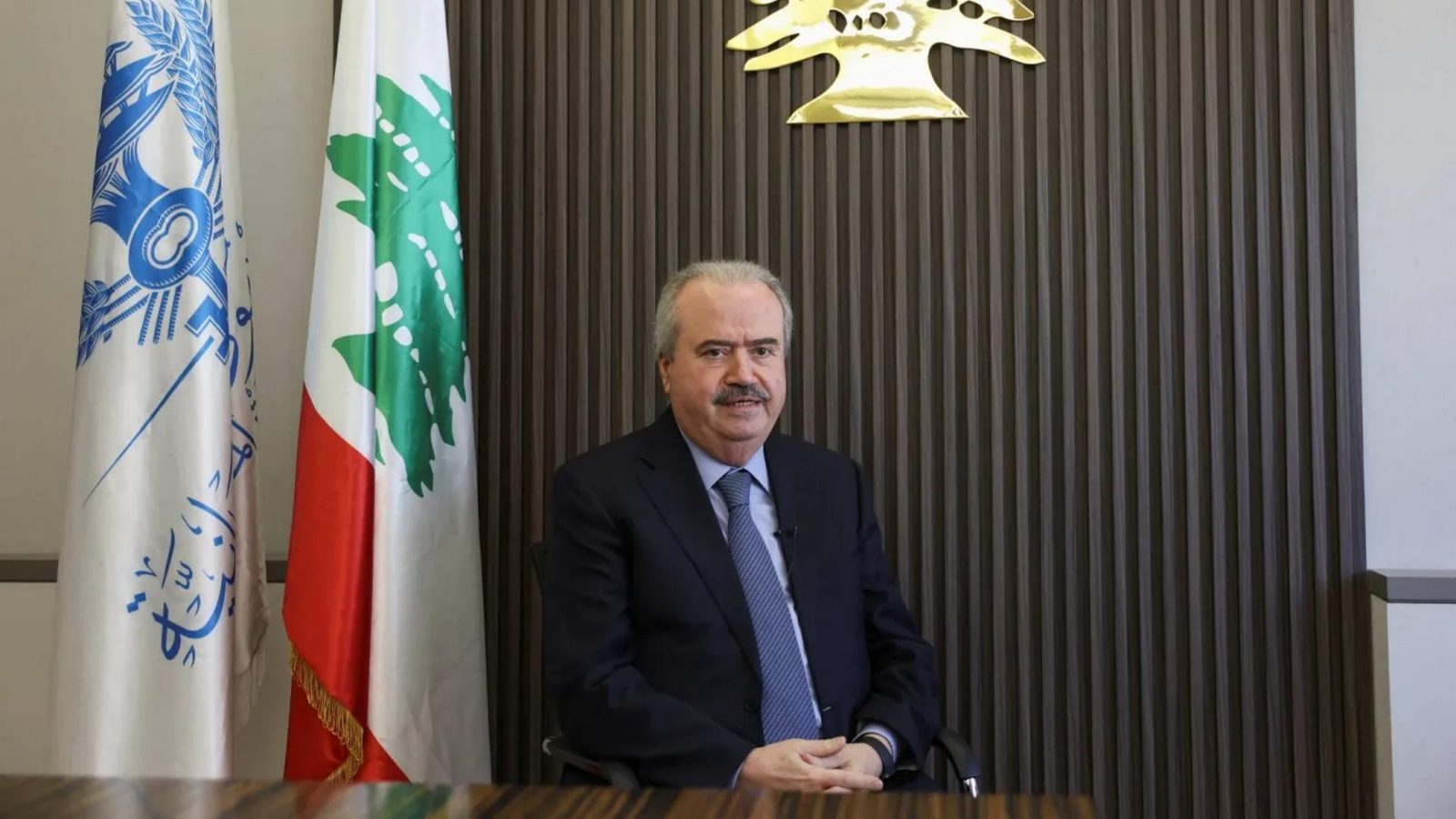
Minister of Finance Yassin Jaber presented to more than 100 officials, experts, economists, and heads of economic bodies an integrated roadmap for financial and economic reform and the restructuring of the banking sector, stressing that restoring confidence in the economy and the state requires moving from crisis management to building sustainable institutions and clear, regular rules.
Jaber's remarks came during a dialogue session organized by the "Leaders Club" at the Le Gabriel Hotel in Achrafieh, which lasted for more than two and a half hours, with the participation of former Deputy Prime Minister Saadeh Al-Chami, former Ministers of Finance Raya Hassan and Ghazi Wazni, former Ministers Sami Haddad and Vrej Sabounjian, and MP Mark Daou, alongside a number of heads of associations, economic bodies, and experts.
Regarding the banking file, Minister Jaber placed the restructuring of the sector at the forefront of the recovery path, pointing out the approval of the law on addressing the situations of banks and its signing by the President of the Republic, as the legal framework for addressing the situations of viable and non-viable banks. He also outlined the process of working on the financial gap law, which aims to address losses and establish a mechanism to restore depositors' rights within a framework that preserves the viability of the banking sector.
In parallel with banking reform, he stressed that restoring financial sustainability requires financial management based on medium-term planning.
He explained that the 2027 draft budget is being prepared within a five-year medium-term financial framework, with a direction towards increasing revenues by expanding the tax base, improving collection, combating tax evasion, and enhancing compliance, rather than through general increases in tax rates.
In this context, he pointed to preparations to launch the "receipt lottery" as a preliminary step towards mandatory electronic billing, in addition to subjecting foreign digital services consumed in Lebanon to taxation.
Jaber pointed out that administrative reform is accompanied by a broad path of digital transformation in the Ministry of Finance and public administrations, noting the transition of the majority of the ministry's transactions to electronic platforms and enabling electronic payment in Lebanese pounds and US dollars, in addition to digitizing real estate services and modernizing the "Najm" customs system with the support of the World Bank and the European Union.
In the electricity sector, he affirmed that addressing the accumulated financial burdens requires reorganizing the sector and separating the functions of generation, transmission, and distribution, while opening the door to private sector participation, while stressing the importance of public-private partnership in implementing infrastructure projects, while preserving state ownership of strategic assets.
As for reconstruction, the Minister of Finance pointed out that work is underway to activate the World Bank-backed "LEAP" facilities, which aim to secure funding of up to $1 billion, with an initial commitment of $250 million, in addition to French contributions.
On the monetary side, the Minister of Finance stressed the importance of continuous coordination between the Ministry of Finance and Banque du Liban in managing liquidity and maintaining monetary stability and the exchange rate.
He concluded by affirming that Lebanon possesses human and economic components that allow it to rise, and that the main challenge lies in moving from addressing successive crises to building institutions capable of operating according to sustainable rules, in order to restore confidence and enhance the economic and financial solvency of the state.
Tags:
Yassin Jaber
← Previous article
Abdel Massih: The assault on the minister is unacceptable