Salam: We reject turning Lebanon into an arena of conflict... and negotiation is the solution
20:57 · 16 September 2026
2 min read
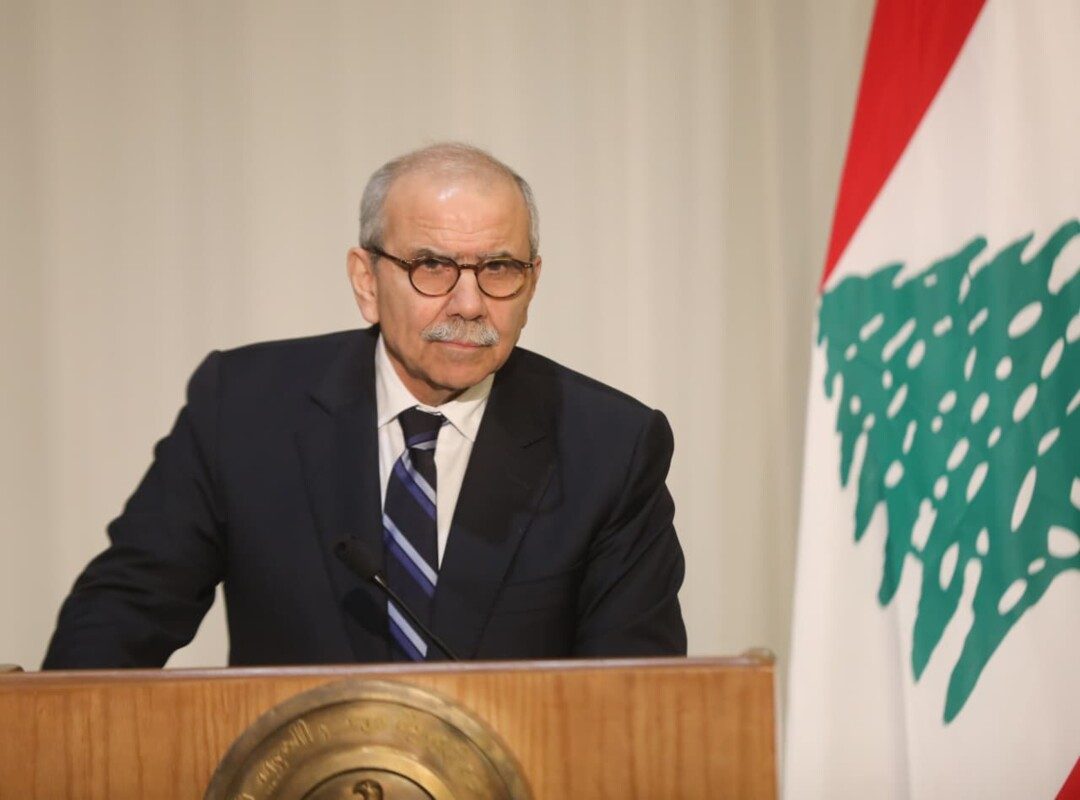
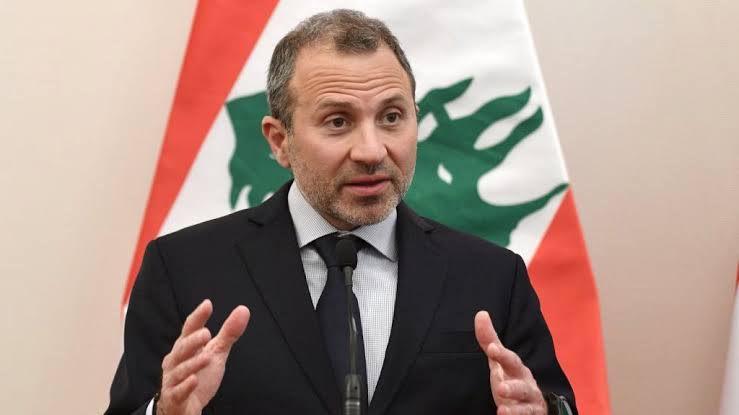
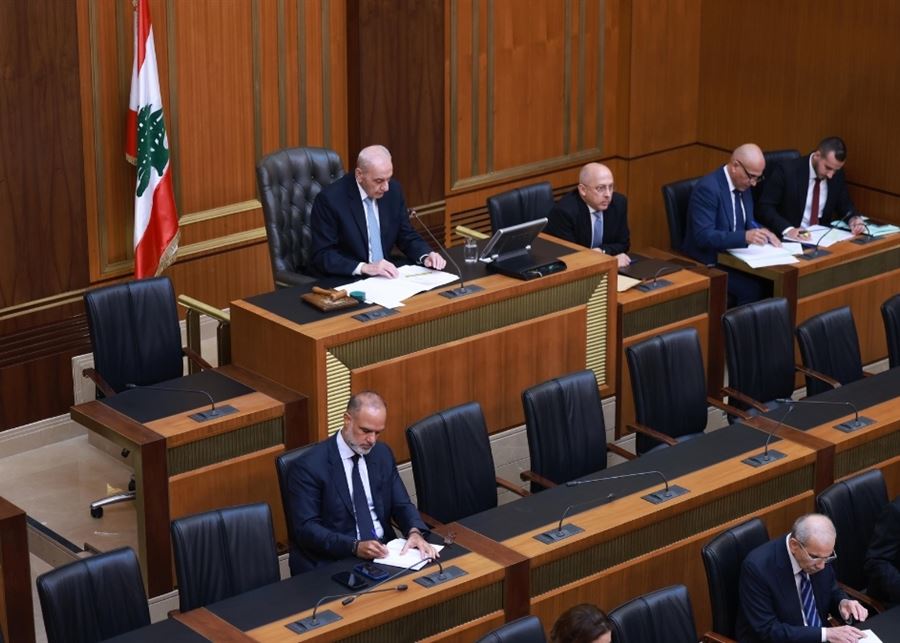
Prime Minister Nawaf Salam concluded the government discussion session in Parliament, thanking the deputies who presented constructive remarks or raised issues requiring clarification and correction.
He acknowledged that the expectations that accompanied the formation of the government collided with a difficult reality made more complex by the war, affirming that the government will make its utmost efforts to prevent these difficulties from turning into disappointments, and stressing that citizens' demand for the presence of the state and their complaints about its absence are a legitimate right.
Salam stressed that strengthening national unity and extending the authority of the state over all Lebanese territory constitute the basis for restoring Lebanon's strength and reclaiming its rights, and that restoring the confidence of Arab and friendly countries in the state and its institutions allows for mobilizing more support for the Lebanese Army and reconstruction.
Salam announced the government's rejection of turning Lebanon into an arena for axis conflicts, considering that the choice of diplomacy and negotiation is the adopted path to get the country out of wars it did not choose.
Regarding the southern file, Salam pointed out that the required negotiation results have not been achieved yet, as Israel has not withdrawn, the displaced have not returned to their towns, and prisoners have not been released, but he stressed that the negotiations are not over yet.
He touched upon the expiration of UNIFIL's mandate, pointing out that work is underway with partners to ensure the continued effective international presence in the south that accompanies the Lebanese Army and contributes to stabilizing stability, adding that any alternative to negotiations must provide a solution to stop the attacks, liberate the land, release the prisoners, and return the residents at a lower cost to Lebanon and the Lebanese.
Salam addressed the relationship with Syria, emphasizing work to build it on the basis of respect for sovereignty, mutual interests, non-interference, and reciprocity, and pointing out that about 700,000 Syrians have returned to their country.
He also pointed out that more than 200,000 Lebanese families received cash assistance worth $52 million during the war, and that the "Aman" program continues to support about 107,000 of the poorest and most vulnerable families, alongside the Ministry of Education's formulation of an exceptional plan to guarantee students' right to education despite the repercussions of the war and displacement.
← Previous article
Parliament resumes evening session to discuss the government