The "Ali Al-Taher" bombing casts a shadow over Aoun's visit to Nabatieh, amid growing criticism of Hezbollah's policies.
Fady Mahouly
14:06 · 12 September 2026
3 min read
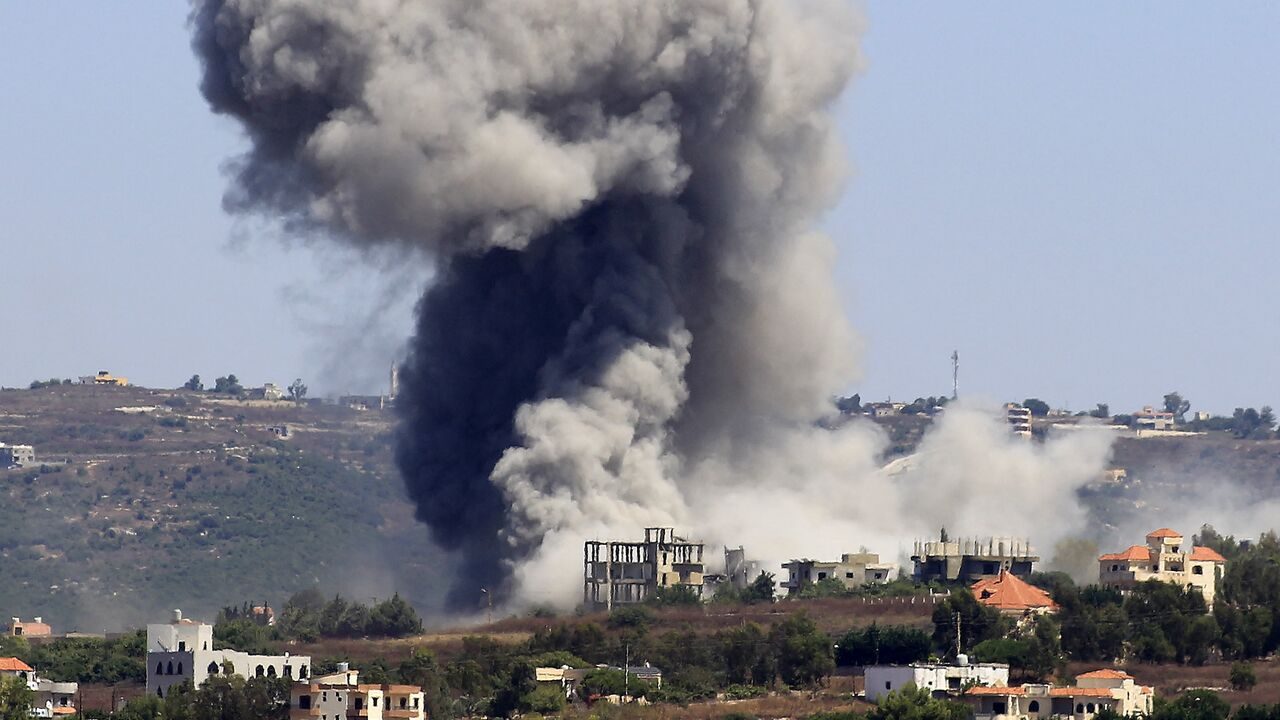
President Joseph Aoun's visit to Nabatieh comes at a very sensitive moment for southern Lebanon, in the wake of the Israeli bombing of the Ali al-Taher Heights and renewed concerns about the devastating consequences of the ongoing military confrontation in the region.
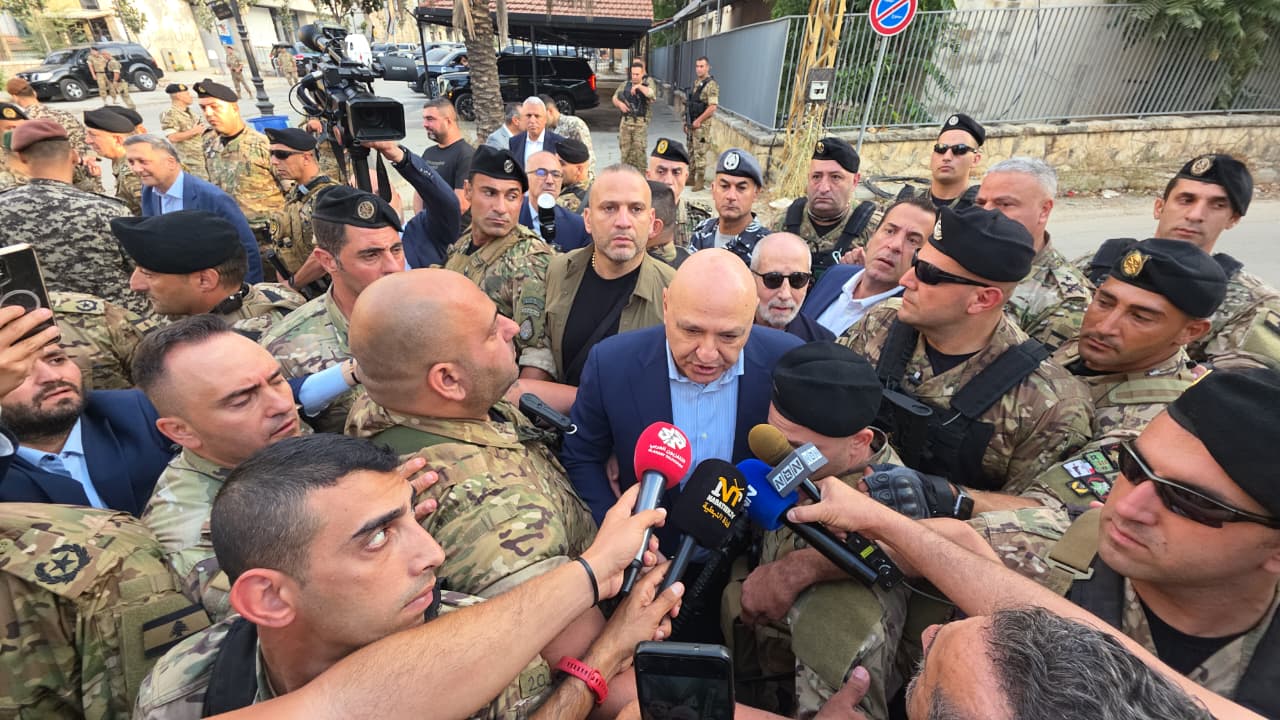
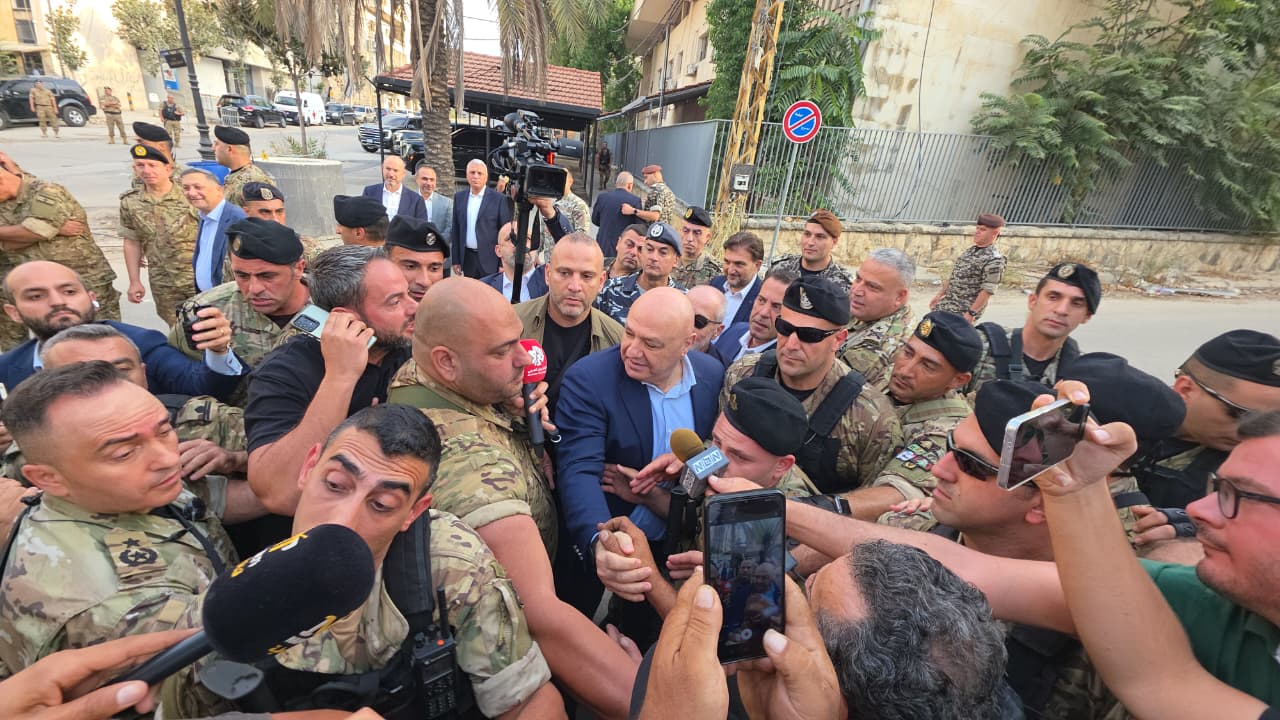
Aoun's arrival was accompanied by scenes of the people of the region welcoming him and expressing their desire for his presence. Among the messages echoing through the crowds was a simple plea: “Welcome...we need you.”
This welcome carries an important significance in a region that has repeatedly found itself at the heart of a war in which Hezbollah is participating.
The recent bombing in the Ali Al-Tahir area has put the consequences of the confrontation under the microscope once again. Reports following the bombing also indicated seismic activity measured at approximately 4.2 magnitude. Regardless of the precise relationship between the explosion and the seismic reading, this incident demonstrated the extent of the destructive forces affecting southern Lebanon.
For Hezbollah's critics, the bombing is another example of the price Lebanese civilians continue to pay for a conflict in which they have little control over the decisions that determine when and where confrontations occur.
The party's leadership, headed by Secretary-General Sheikh Naeem Qassim, continued to defend the party's armed position and its concept of resistance. But this argument faces a question made more difficult by its opponents: What have decades of armed confrontation actually done for the people of southern Lebanon?
Critics assert that the answer is a spiral of insecurity, displacement, and destruction rather than lasting peace.
The people of the South were repeatedly left to rebuild after wars that damaged homes, economic activities, and infrastructure. Their frustration increases in particular when decisions regarding military escalation are made without the approval of the broader Lebanese population.
For this reason, Aoun's visit to Nabatieh is gaining political importance.
President Aoun is trying to strengthen the presence of Lebanese national institutions in a region that has for many years been strongly linked to the military and political influence of Hezbollah. The reception he received indicates a desire among at least some residents to adopt a different approach, one that focuses on security, reconstruction, and the interests of Lebanese civilians.
For Hezbollah, this message should be taken seriously.
South Lebanon cannot be reduced to a permanent battlefield. Its residents are not merely participants in an ideological struggle; Rather, they are citizens with families, businesses and communities to protect.
The Ali Al-Taher bombing clearly highlighted this fact once again.
While Hezbollah continues to justify its armed role in the language of resistance, many Lebanese wonder whether the country can escape recurring spirals of conflict as long as an organization outside the normal structures of national defense possesses such massive military power.
The welcome of President Aoun in Nabatieh presents a different picture: citizens turn to their president and tell him that they need him.
For a country exhausted by years of crises, these words may be among the most important messages coming from the south.
The question now is whether Lebanon can finally move away from permanent confrontation and move towards a future in which the lives and security of its citizens are the top priority.

← Previous article