To stop the war on all fronts... Iran submits its response to the American proposal
18:29 · 26 March 2026
2 min read
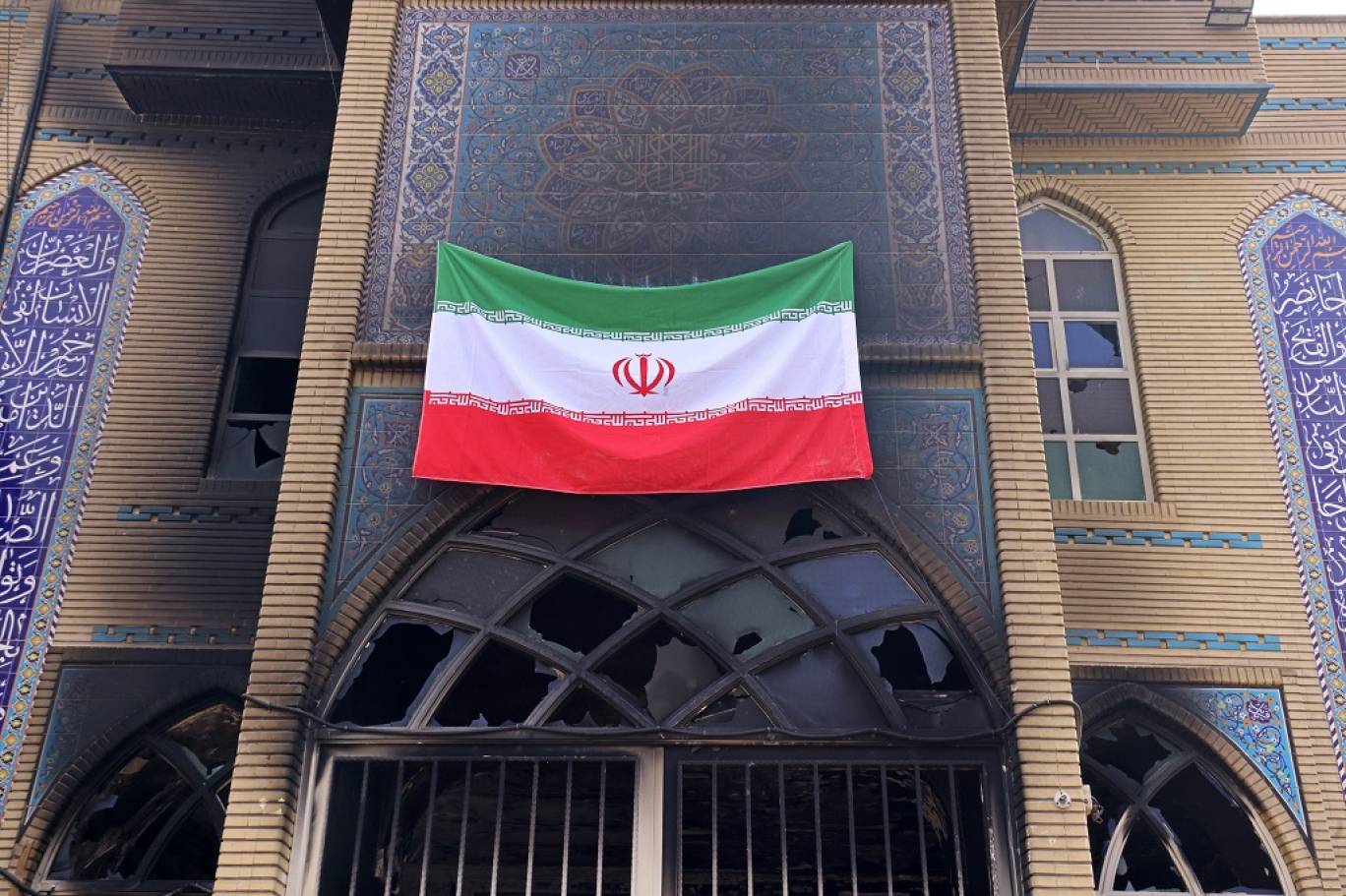
An informed source told Tasnim Agency that Iran's response to the 15-item American proposal was officially sent last night through intermediaries, and that Tehran is awaiting the response of the other party.
According to the source, Iran stressed in its response the necessity of ending what it described as “aggression and assassinations” by the enemy, creating objective conditions that guarantee the non-recurrence of the war, ensuring the payment of compensation and war damages and specifying them clearly, in addition to ending the war on all fronts, including all resistance factions that participated in the confrontation in various parts of the region.
He pointed out that imposing Iranian sovereignty over the Strait of Hormuz is a natural and legal right for Iran, and will remain so, with the need to ensure the implementation and recognition of the other party's obligations.
He also pointed out that these conditions differ from the demands put forward by Tehran during the second round of negotiations in Geneva days before the American and Israeli attack in March.
The source stressed that Iran considers that the United States’ talk about negotiation is nothing but a “third deception project.”
The source explained, "Through this, Washington seeks to achieve several goals: first, to mislead world public opinion by appearing to seek peace and end the war; second, to keep oil prices low globally; and third, to gain time to prepare for a new military action in southern Iran through ground intervention."
He concluded by saying that if before the “12 Day War” Iran doubted the results of the negotiations and the extent of the United States’ commitment, after that war it now fully doubts the origin of Washington’s intention to enter into any negotiations, considering that the Americans started the war during previous negotiating paths, and that today they are using the cover of negotiation to prepare the ground for a new aggression.
Source
الجزيرة

← Previous article
Shehadeh: There is no reversal of the decision to expel the Iranian ambassador