Government
06:32 PM | 13 Aug 2026
Salam: The absence of the Minister of Defense will not be long... and no one fishes in troubled waters
Fady Mahouly
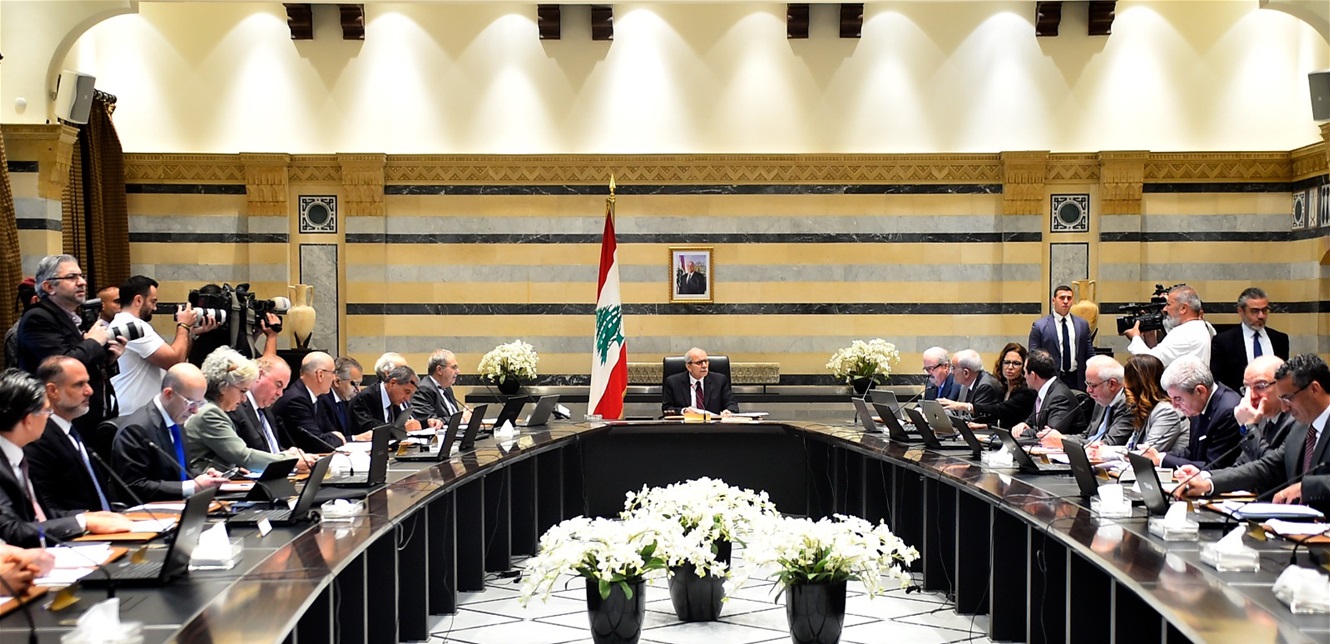
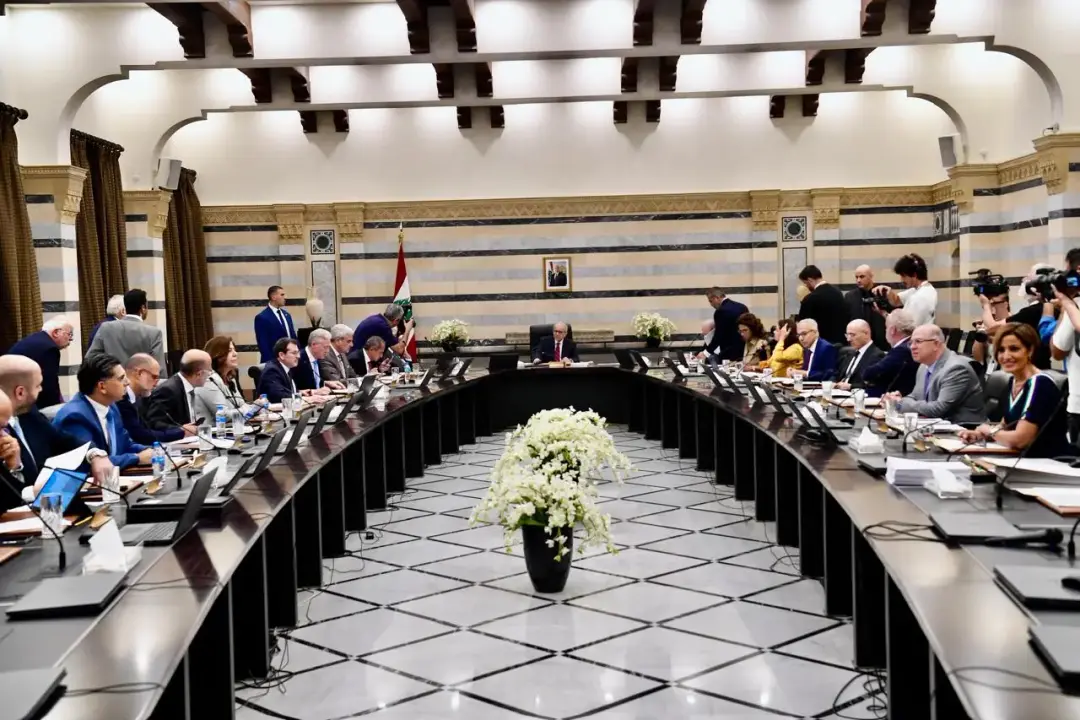
Meanwhile, Prime Minister Nawaf Salam chaired a cabinet session in the presence of Deputy Prime Minister Dr. Tariq Mitri and Ministers of Finance Yassine Jaber, Culture Ghassan Salama, Energy and Water Joe Seddi, Tourism Laura El Khazen, Social Affairs Haneen Al-Sayyid, Foreign Affairs and Expatriates Youssef Raji, Economy and Trade Amer Al-Bassat, Displaced Persons and Information Technology and Intelligence Affairs Kamal Shehadeh, Interior and Municipalities Brigadier General Ahmed Al-Hajjar, Justice Adel Nassar, Communications Charles Al-Hajj, Youth And sports, Noura Bayrakdarian, industry, Djou Iss Al-Khoury, administrative development affairs, Fadi Makki, labor, Muhammad Haidar, public works and transportation, Fayez Rasamny, agriculture, Nizar Hani, media, Paul Morcos, environment, Tamara Al-Zein, and public health, Rakan Nasser Al-Din.
At the conclusion of the session, the Minister of Information, Lawyer Paul Morcos, announced that the Council of Ministers had approved most of the items on its agenda, denying that any government sessions would be held during the next two weeks.
The session began with a remarkable stance by Prime Minister Nawaf Salam in which he condemned the systematic destruction of southern villages by Israel and Israel Katz’s statements as a blatant violation of the rules of war and the Geneva Understandings, praising at the same time the House of Representatives’ approval of several partnership and reform laws, in addition to laying the foundations for discussions with Solidere to extend its duties.
Regarding the internal and hostile file, Salam stressed his refusal to question the government’s loyalty to the Lebanese army as it brings together all the Lebanese, downplaying the repercussions of the crisis of the absence of the Minister of Defense and stressing that his absence will not last long and that the outstanding issues will be resolved soon.
Cutting off attempts at fragmentation, he added: “No one fishes in troubled waters. We are a government of 24 ministers, not 24 governments,” emphasizing the necessity of preserving unity of ranks and avoiding any thorny interpretations that would harm the military institution.
← Previous article
Al-Hajjar: The government stands with the military establishment