Politics
04:29 PM | 11 May 2026
The Syrian Nationalist: To include Habib al-Shartoui’s file in any general amnesty law being prepared
Fady Mahouly
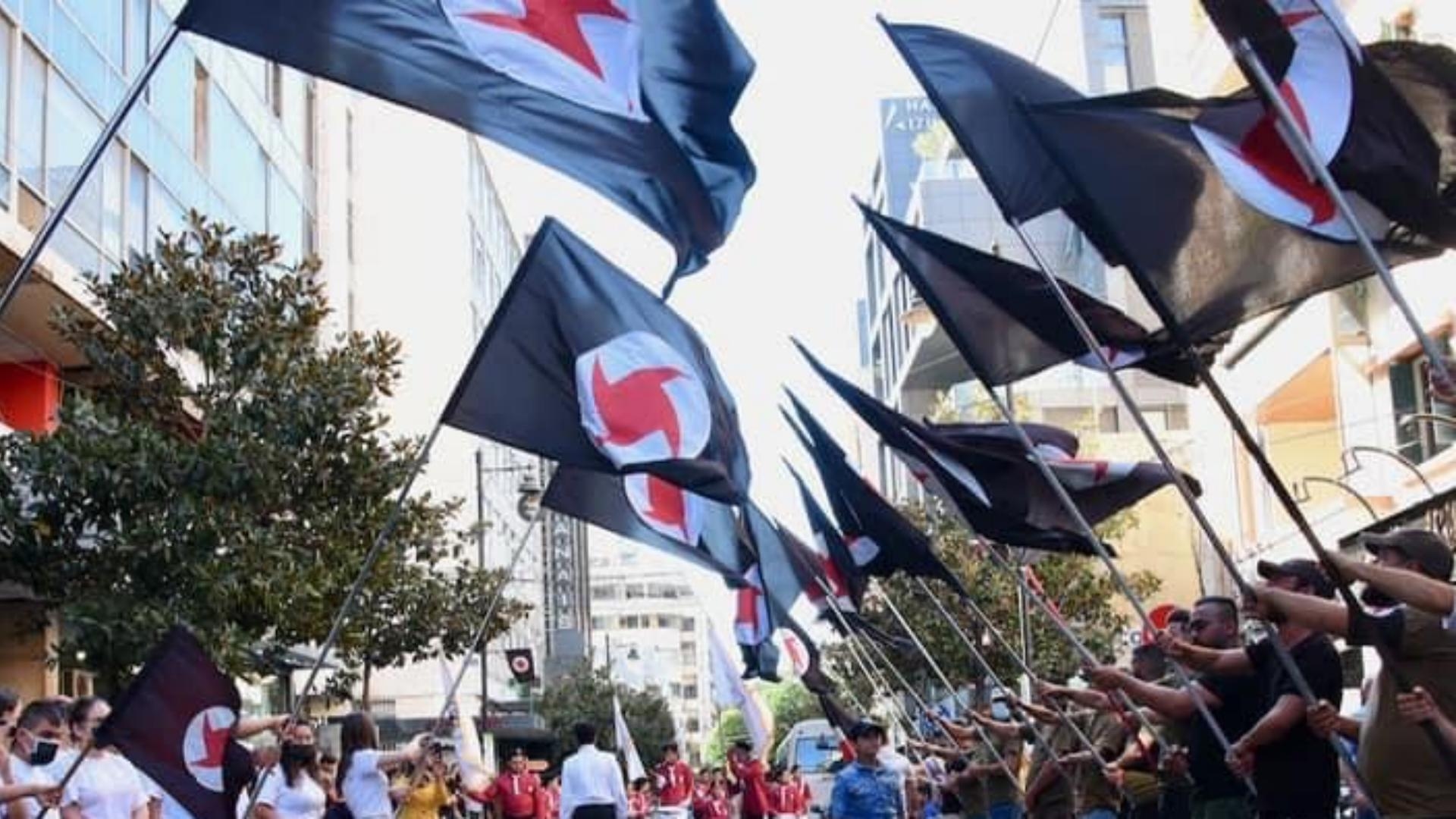
The Syrian Social Nationalist Party issued the following statement: “In light of the ongoing discussions about approving a general amnesty law in Lebanon, the party is interested in affirming its principled and national position regarding the judicial files, including the files related to the Lebanese war, most notably the case of Secretary Habib Al-Shartouni.”
The party stressed its position on the following points:
- Equality and selective justice: The party believes that any amnesty law that is not based on unified and comprehensive standards is an incomplete law. At a time when major files relating to victims of prime ministers, party and military leaders, media figures and others, and thousands of citizens were closed during the civil war, the case of Al-Amin Habib Al-Shartouni, which came in the context of an existential national struggle against the Zionist occupation and its tools at that time, should not be excluded.
-Historical and national context: The act carried out by Secretary Habib al-Shartouni in 1982 was not a passing criminal act, but rather a political and military stance stemming from confronting the project of Israelization of Lebanon and the attempt to bring Lebanon into the Zionist ranks. Legally overturning the effects of this act is a clear acknowledgment of the victory of the resistance option that the Lebanese people later established.
- Rejection of discretion: The party’s legal and political circles are surprised by the state’s tendency to release detainees in terrorism cases that affect state security, or hand over others to external parties, while the Shartouni file remains stuck as a peg for political disputes. The principle (may God forgive the past), which was applied to warlords and leaders who were involved in the blood of the Lebanese, must necessarily be applied to those who confronted the Zionist enemy.”
The statement continued: “Accordingly, the party calls on the Lebanese state to include the file of Secretary Habib Al-Shartouni in any general amnesty law being prepared, just like all the cases that were closed with the end of the war, to stop exploiting the judiciary to settle political scores dating back to an era that Lebanon surpassed with the Taif Agreement and to liberate the land and do justice to the freedom fighters who paid heavy prices for the sake of Lebanon’s dignity, unity and identity.”
He concluded: “Loyalty to the martyrs and maintaining internal stability require courage in closing the files of the past fairly, far from maliciousness and dependency on the outside.”