Economy
07:06 PM | 03 May 2026
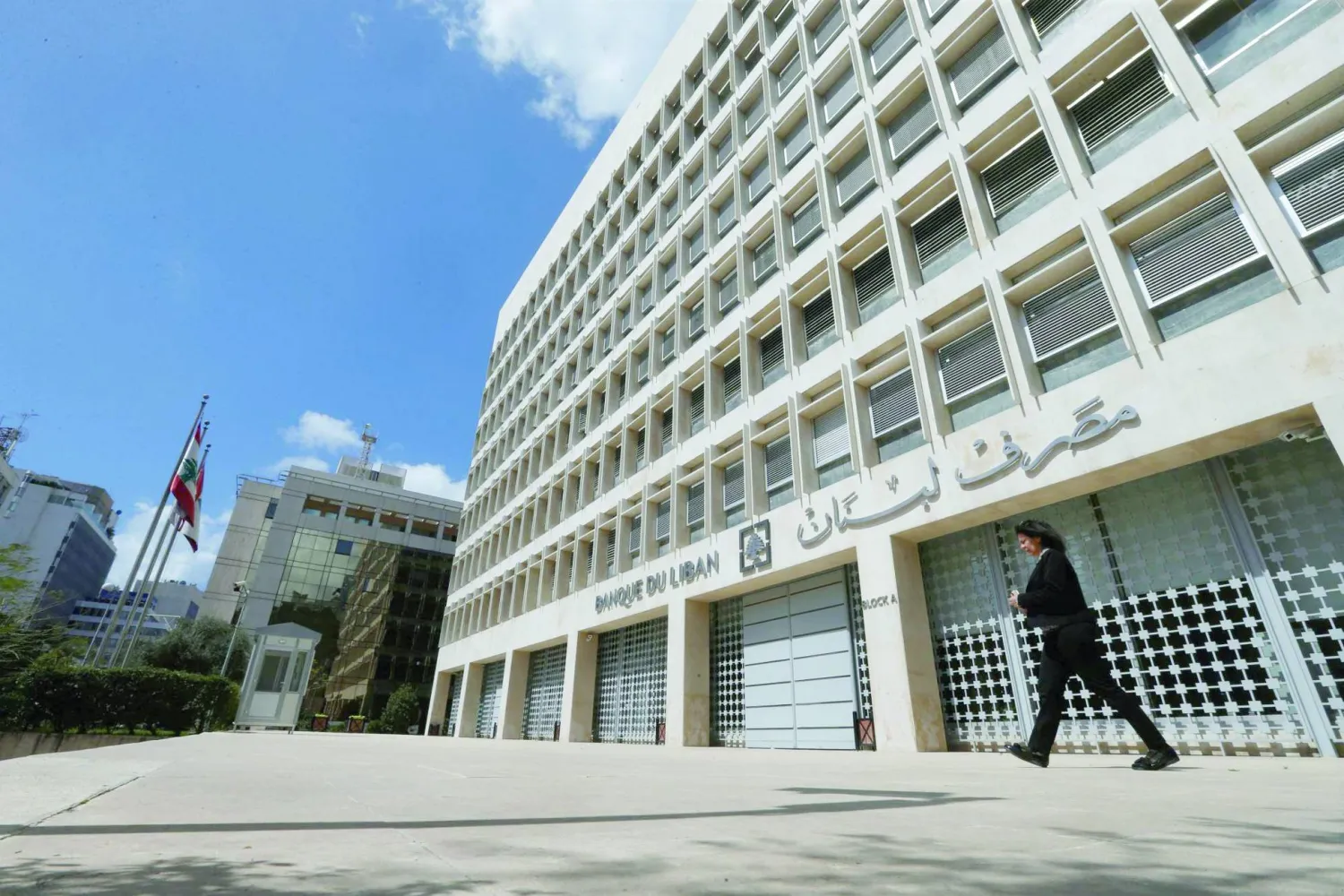
Governor of the Bank of Lebanon: Giving priority to small depositors is a rational and necessary option
Fady Mahouly
The Governor of the Bank of Lebanon, Karim Saeed, explained that the Lebanese economic crisis is often described as complex, but it is not so. Rather, it is the expected result of the lack of financial discipline among amateur governments, mismanagement of cash by the Central Bank, and concentrated misallocation of private sector savings to the banking sector.
He said: “The recent amendments in government policies are moving the country in the right direction. Financial budgets have improved significantly as a result of increasing tax collection and controlling spending. This is essential but not sufficient to address the obstacles to recovery.”
He added: “The losses must be distributed among the main concerned parties, the state, the central bank, and commercial banks before the recovery path takes shape.”
He considered that giving priority to small depositors, who constitute the overwhelming majority of accounts, i.e. approximately 90 percent, is an economically rational and socially necessary choice.
Saeed stressed that a banking system cannot be rebuilt on troubled assets and insufficient capital. Rather, it must be recapitalized by pumping new capital or radically reducing its size to reflect the economic reality, and any middle option would lead to prolonging the recession.
He pointed out that the International Monetary Fund is conducting intensive negotiations with the government with the aim of reaching a constructive solution plan, and perhaps this is the last reliable path to stabilize reforms and achieve a sustainable recovery, and Lebanon does not have a wide margin to impose counter conditions.
He explained that the choice before the international community is clear: either support a reform government now or postpone aid and risk a more fragile and turbulent reality after the repercussions of the conflict have worsened.
He said: “Without a financing bridge, even good reforms may be exhausted before they bear fruit.”