International
09:59 PM | 29 Apr 2026
Hegseth: The Pentagon budget aims to establish peace through strength
Fady Mahouly
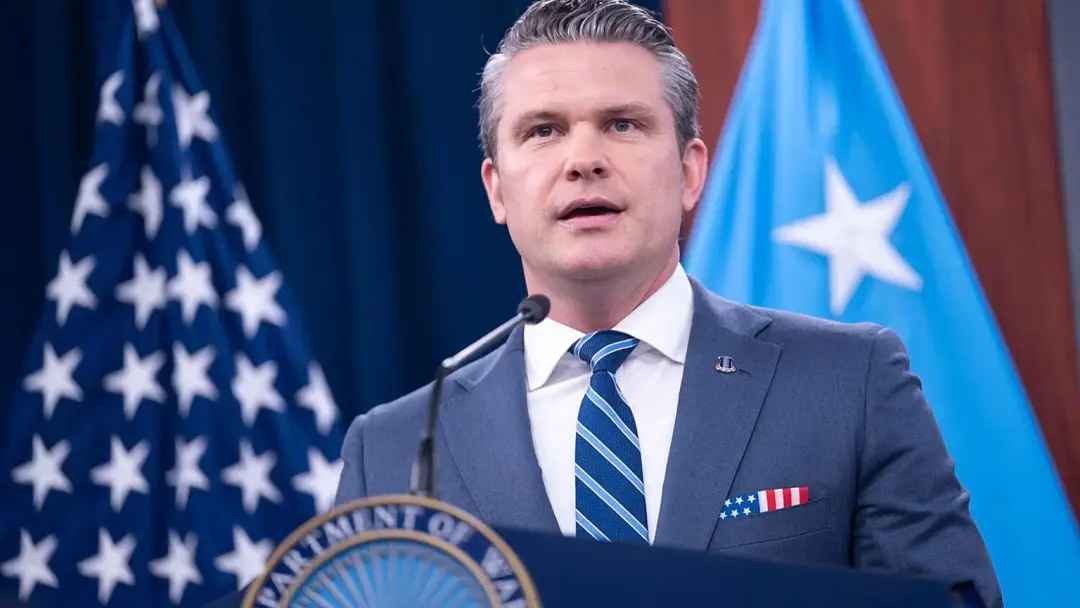
US Secretary of Defense Pete Hegseth gave his first testimony to Congress regarding the Pentagon's wartime expenditures, noting that "next year's budget request aims to enable the military to achieve its mission of establishing peace through strength."
Hegseth explained, "This defense budget is historic and includes an increase in the number of soldiers and the strengthening of the defense manufacturing base," pointing out that "the US Army has suffered from clear mismanagement over the past years."
He said, “The administration is working to rebuild the army and put the defense industrial sector on the right track,” adding: “We are returning the defense manufacturing base to the pace of war and building an army that Americans can be proud of.”
He considered that "the United States faces a complex environment of threats in various fields of operations," calling for "a shift from the bureaucratic model to a business model within the military institution."
He also believed that "Israel is a model ally that has proven its ability to fight side by side with American forces," considering that "Washington's allies in the Middle East must do more to advance common interests," stressing that "burden-sharing is an essential element of the American strategy in the region," calling for "formulating a new version of NATO that returns it to its combat roots with the allies assuming their responsibilities."
In turn, the Chief of the US Joint Chiefs of Staff, General Dan Keane, confirmed that "the 2027 budget supports the objectives of the Ministry of War, and strengthens the capabilities of the US Army in facing increasing challenges."
He pointed out that "American military operations are rapid, and the forces are working to constantly readapt their capabilities," stressing that "we are ready for deterrence and to fight all necessary wars to defend the United States."
Kane stressed that the US Army “will be the most capable of the world’s armies,” noting that “the goal is to continue demonstrating American power and responding to global challenges.”
He also called for "continuous investments to modernize the forces and ensure their readiness," stressing work to maintain permanent "strategic superiority."
He announced that "about 1.8 million recruits have joined the forces, within the framework of enhancing the human and military capabilities of the American army, and the United States has spent $25 billion on the Iran war so far."