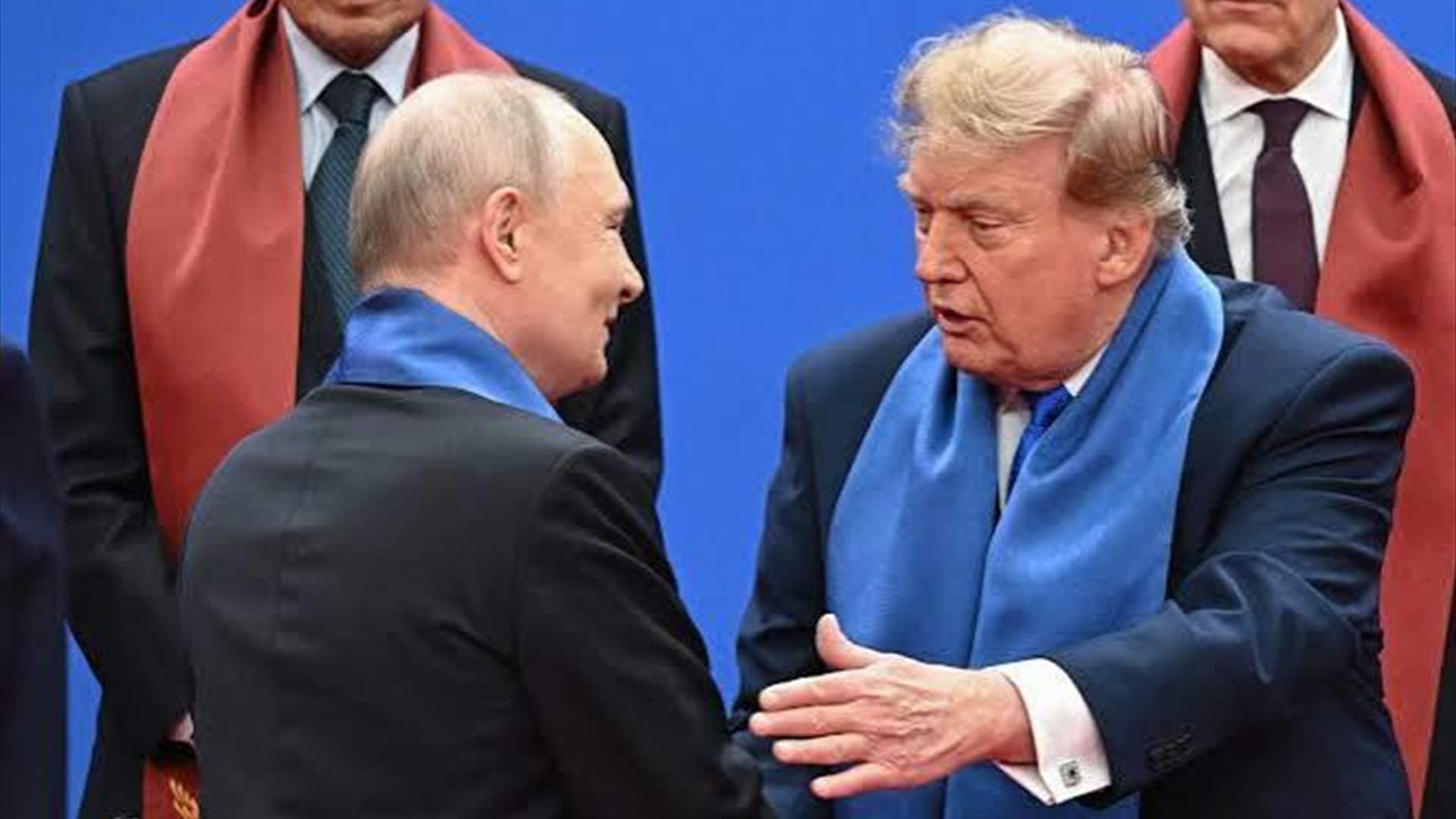
“A positive and fruitful meeting”... China, America and Russia pledge to avoid nuclear war
18:41 · 19 November 2026
2 min read
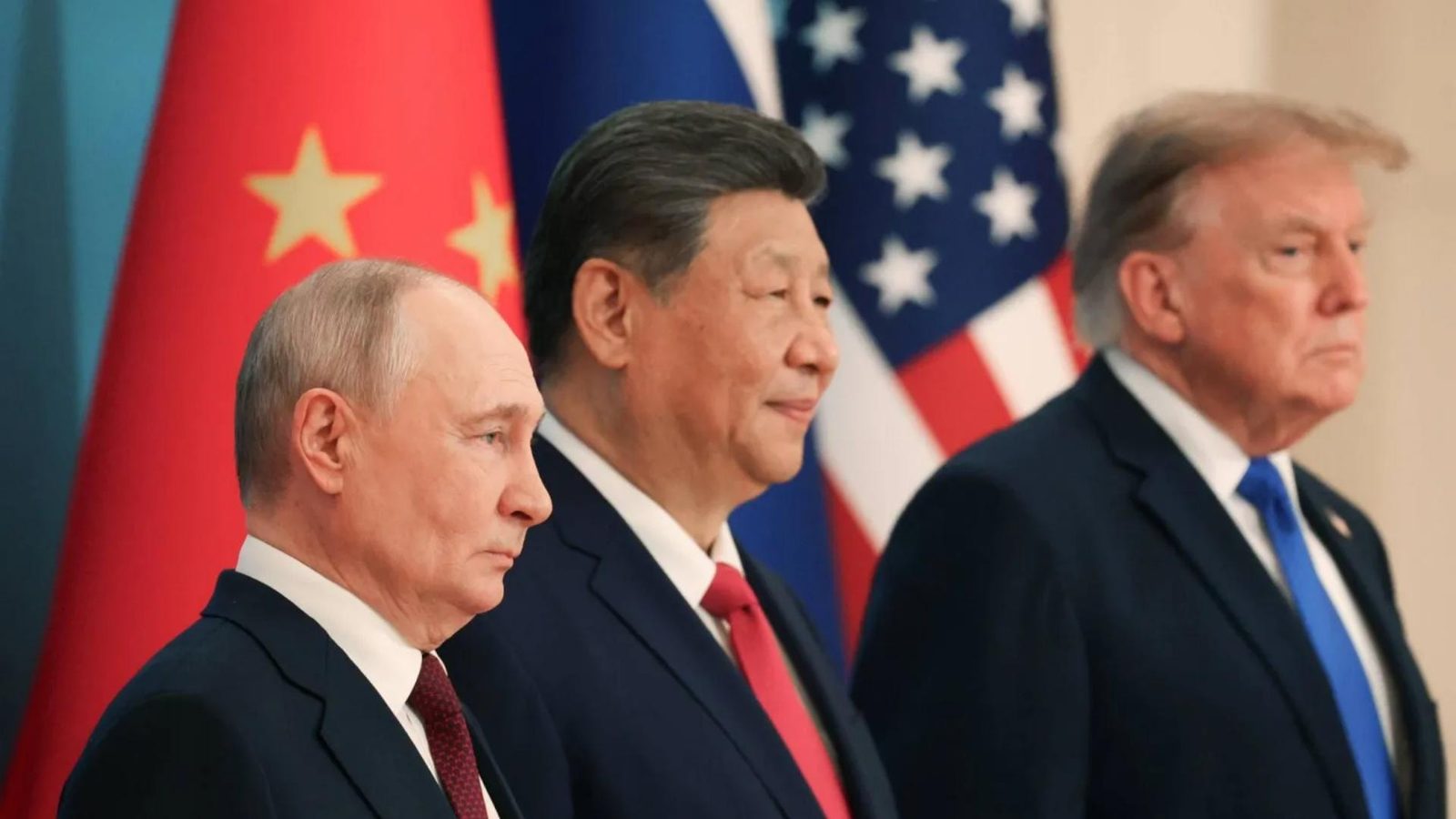
Following the tripartite summit that brought together their heads of state in the city of Shenzhen, south of China, China, the United States, and Russia announced their commitment to enter into a dialogue aimed at reducing nuclear risks and preventing the spread of nuclear weapons, according to what was reported by the Kremlin and Chinese official media.
Chinese President Xi Jinping, his American counterpart Donald Trump, and Russian President Vladimir Putin concluded their summit, during which Xi called for making every effort to “avoid a nuclear war,” while Trump proposed discussing reducing nuclear arsenals, and Putin stressed the existence of a “common interest” for the three countries in settling the war in Ukraine, according to Agence France-Presse.
The three presidents stressed that "a nuclear war cannot be won, and must not be fought."
The three countries announced that they intend to increase the production and supply of refined petroleum derivatives, according to the joint declaration published by the official Chinese News Agency, and pledged to advance United Nations reform, to enable the organization to confront global challenges more effectively and perform its basic mission of maintaining international peace and security.
Xi described the meeting as "positive, constructive and fruitful," while the summit lasted about an hour and twenty minutes.
Hinge station
The Chinese President described the summit as a turning point, stressing, according to statements reported by the Xinhua News Agency, that “victory cannot be achieved in a nuclear war, and it must never be fought.”
For his part, Trump said, “Today we are truly making history,” noting that the United States, Russia, and China are “in a unique position” that allows them to consider reducing nuclear arsenals.
As for the war in Ukraine, the Russian President said, "The interests of our countries converge in many aspects with regard to resolving regional conflicts, including of course the conflict in Ukraine."
Xi called on his American counterpart to continue “doing the right thing” regarding Taiwan, to avoid escalating tensions between Washington and Beijing.
In a related context, Japanese Prime Minister Sanae Takaichi said, during her first visit to China since taking office, that she intends to establish a “constructive and stable relationship” with Beijing, after her statements about the possibility of Japanese military intervention in the event of a conflict over Taiwan caused tension in relations between the two countries.
In this story:
Donald Trump

← Previous article
The Presidency of the Republic announces a program honoring men of independence on the 83rd anniversary of independence