Salam from Antalya: Restoring the environment is an integral part of reconstruction
14:53 · 12 November 2026
2 min read
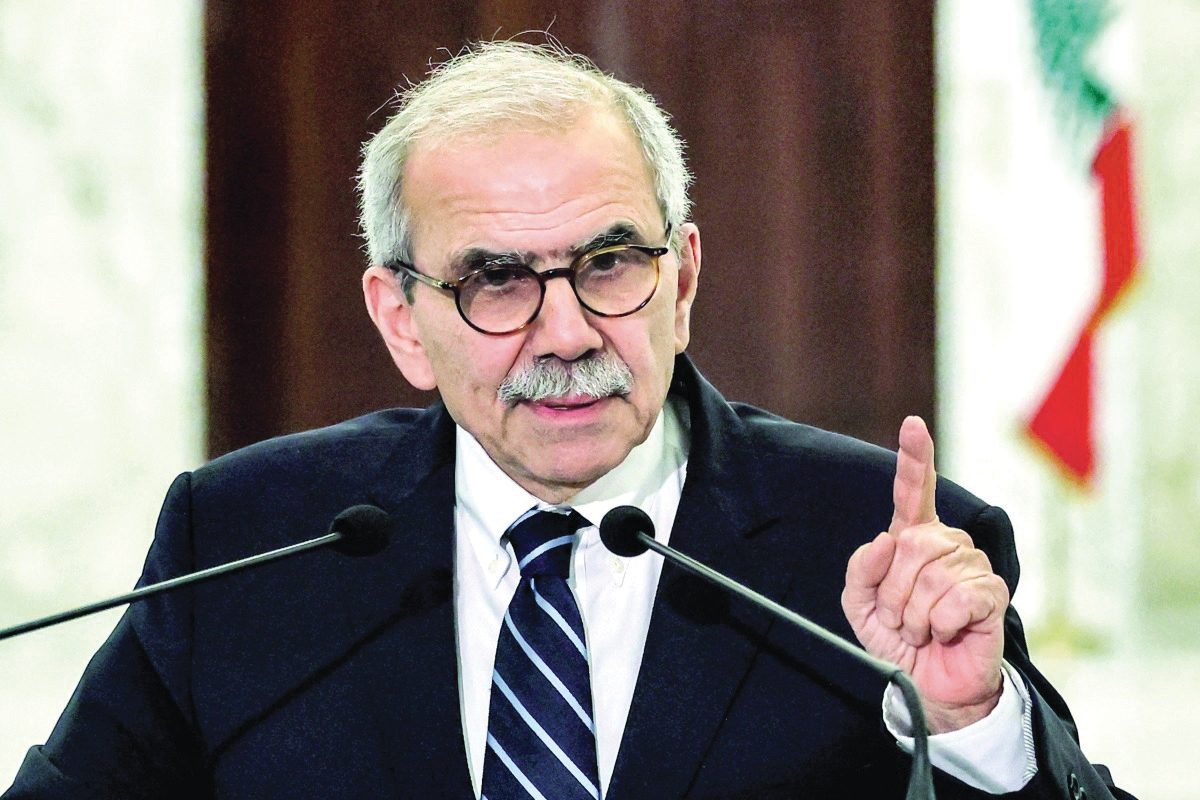
Prime Minister Nawaf Salam announced, in his speech before the United Nations Climate Change Conference (COP31) in Antalya, Turkey, that for Lebanon, climate challenges cannot be separated from the repercussions of wars and economic collapse, and from the arduous national task of recovery and reconstruction. Salam explained that the years of financial crisis led to the weakening of public institutions and facilities, while successive wars caused widespread destruction that affected infrastructure, agricultural lands, forests, and ecosystems.
He pointed out that the environmental losses resulting from the Israeli attacks, which constitute a violation of international humanitarian law, exceeded 512 million US dollars during the years 2023 and 2024, in addition to other losses incurred by Lebanon during the year 2026. He pointed out that the effects of the environmental war far exceed these numbers, as its scars will remain deep in the ecosystems, livelihoods and local communities for many years to come.
He stressed that recovery cannot be limited to rebuilding homes and roads, but must include reclaiming agricultural lands, rehabilitating ecosystems, and reviving livelihoods. He stressed that Lebanon stresses the need for restoring the environment and enhancing the ability to adapt to climate change to be an integral part of the reconstruction process, in addition to achieving stability, restoring sovereignty, and respecting international law.
Salam concluded by saying that national efforts, no matter how important, cannot alone overcome the structural and financial constraints faced by a country seeking to emerge from long and successive crises and wars. In this context, he called for increasing public funding, enhancing the role of grants, and simplifying procedures for accessing existing financing mechanisms, taking into account the special circumstances of countries affected by crises.
In this story:
Nawaf Salam
← Previous article
Lebanon Electricity: Return of supply to the Jezzine region
Related Articles
Berri: Independence this year is incomplete and will not be completed unless the land is liberated
Makhzoumi: Independence is not complete unless Hezbollah and other militias are disarmed