A joint economic zone... and Jaber: It will constitute the most important areas for economic growth
20:16 · 09 November 2026
4 min read
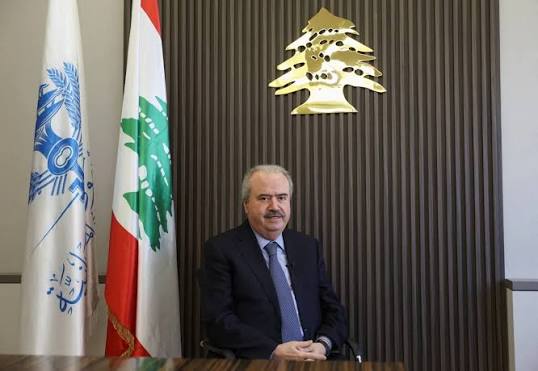
The Lebanese Minister of Finance, Yassine Jaber, revealed ongoing efforts to establish a “joint economic zone” between a number of Arab countries, with the possibility of Turkey joining it, stressing that it will constitute the most important areas of economic growth at the regional level, and indicating that the World Bank welcomes this project, which it described as strategic. What is hoped for?
Jaber added, in exclusive statements to TRT Arabi during the “On Time” program, that the World Bank is currently working on preparing a comprehensive plan to enhance economic cooperation in the region, and will organize an expanded regional conference in this context, citing the experience of the European Economic Area and the great benefits it has achieved.
He stressed that Turkey represents a great economic power with which cooperation must be strengthened, stressing the importance of the countries of the eastern Mediterranean being open to each other.
Jaber described the Lebanese-Turkish relations as strong and witnessing continuous development, noting that the volume of trade exchange between the two countries is increasing.
The Lebanese Minister of Finance said that the government is working on developing plans to facilitate movement and transit between Lebanon and neighboring countries, pointing out that there are plans to establish new railway lines to transport goods, in addition to many ideas and projects that have begun to take shape in this context.
Jaber explained that developments in the Gulf region emphasized the importance of strengthening economic cooperation across the Mediterranean, especially in light of the Gulf countries' search for new paths for trade and energy transfer across the Eastern Mediterranean.
Tangible progress in IMF negotiations
Jaber pointed to tangible progress in the negotiations between Lebanon and the International Monetary Fund, saying: “We have reached an understanding with the Fund regarding a medium-term economic plan, and we are holding intensive and positive meetings together, and we have completed most of the outstanding issues in our negotiations with it.”
He explained that Lebanon will sign the final agreement with the International Monetary Fund as soon as the “Financial Gap” law is passed in the Lebanese Parliament and expects its approval during the next spring semester, adding: “The agreement with the International Monetary Fund is important and necessary for Lebanon.”
Successive economic crises
Regarding the local economic situation, Jaber indicated that Lebanon has faced successive economic crises from October 2019 until now, pointing out that 65 Lebanese villages have been removed from existence as a result of the ongoing Israeli aggression, which still occupies part of Lebanese territory.
He stressed that the contraction in the Lebanese GDP reached 6.4% due to the recent war, with the possibility of it worsening until the end of the year, adding that the government succeeded, despite the war, in maintaining financial and monetary stability despite the many challenges and difficulties.
He continued: "The situation in Lebanon is still stable and we hope that the current crisis will not last long," explaining that "remittances from Lebanese abroad have contributed greatly to maintaining stability."
Jaber pointed out that Lebanon has been facing a severe banking crisis for seven years, stressing that “putting an end to this crisis is the government’s top priority. We aim to launch an effective banking sector and we have the ingredients for success to do so.”
The Lebanese Minister of Finance confirmed that “funds will be allocated to help the Bank of Lebanon return deposits, and that there will be no increases in taxes on citizens.”
Radical reforms
He added: "We have implemented radical reforms and achieved an important digital transformation in the structure of the Lebanese economy, and we hope that the year 2026 will end without recording a budget deficit. We also seek during the next stage to exit the cash economy, and we are working with all our might to ensure a better future for Lebanon that goes beyond its current reality."
He stressed the need to organize partnerships between the public and private sectors to avoid chaos, revealing the government’s intention to launch many joint projects with the private sector soon, and noting that a private company will work to raise the operational capacity of the Beirut Port to 3 million containers.
Jaber called for employing artificial intelligence techniques to overcome the shortcomings in the traditional structure of the state, stressing the endeavor to generalize digital transformation in all Lebanese state institutions.
The Lebanese Minister of Finance noted that the State of Qatar will soon finance multiple development projects in Lebanon, especially in the electricity sector.
← Previous article
Al-Shaibani: There are no Syrian plans to deploy forces in Yemen... and any military movement will be announced