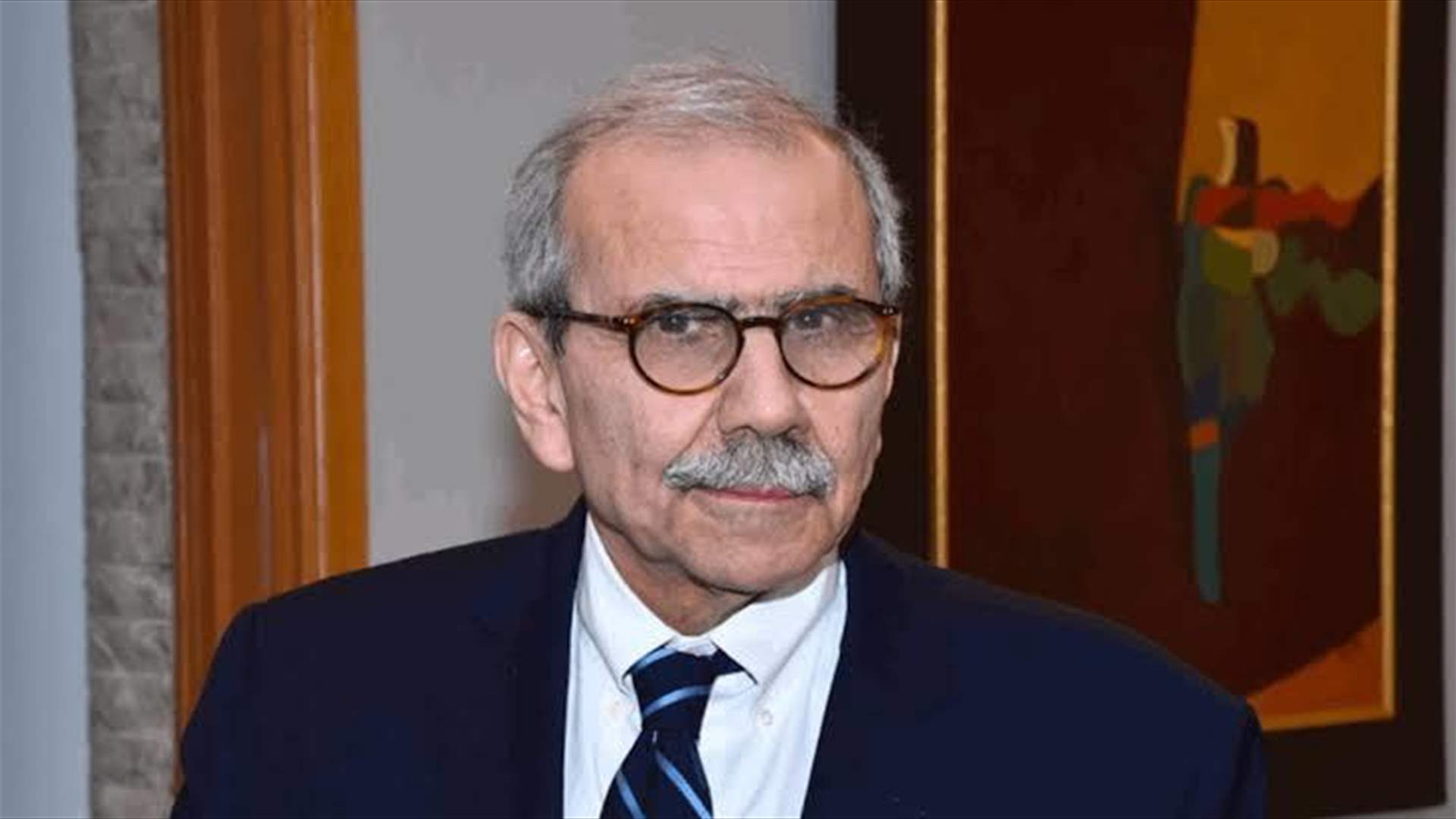
Salam: There is no sovereignty by deciding to go to war outside the state... and Taif applies in all its provisions
12:28 · 07 October 2026
3 min read

Prime Minister Nawaf Salam affirmed, during the opening of the Between the Lines of the Constitution exhibition at the National Library, that the Lebanese constitution is the result of pluralism, that is, pluralism in its intellectual sources, pluralism in the experiences that preceded it, and pluralism in the society that wanted to organize its political life.
Salam said: Celebrating the constitution does not mean only returning to the moment in which the text was drawn up, but rather asking what we did with it, what our experience added to it, what remained incomplete, and what we learned after a full century of crises, wars and settlements.
He added, a hundred years have passed since the Lebanese Constitution, a hundred years since a text was not born from a single idea, nor from a single experience, nor from a single intellectual source, and this, in my opinion, is not a detail in the history of our Constitution, but rather a key to understanding Lebanon itself.
Salam continued, Al-Taif focused on the importance of extending the state’s authority over its entire territory with its own forces, which is the basis without which there is no real resurrection of the state. Al-Taif did not separate political reform from the state’s restoration of its authority, from dissolving the militias, and confining legitimate power to its institutions.
He stressed that there is no meaning to the sovereignty of the people if there are multiple sources of authority outside the institutions that represent them, and there is no meaning to the state of law if the law does not apply to everyone, and the sovereignty of the state is not complete if sovereign decisions such as war, peace, and national security decisions are taken outside its constitutional institutions.
Salam asked: Did we actually implement Taif, or did we implement what redistributed power and postponed what was supposed to develop the state? We established parity, but we did not establish the Senate. We declared that the abolition of political sectarianism was a national goal, but we did not set the practical path to achieve it. We talked about decentralization, but it remained a postponed project.
He added, “We talked a lot about the state of institutions, while in many instances we allowed norms and balances of power to take precedence over the text and institutions.”
Salam said: If we are truly committed to Taif, then we must first implement it in all its provisions. It is not permissible for us to declare our adherence to Taif while leaving a large part of its reforms pending. It is not permissible for each party to use what suits them from it and then ignore the commitment it must make.
In conclusion, we must work to correct the distorted provisions of the Taif clauses upon application, fill the gaps that practice has revealed over the past decades, and develop our constitution when needed in accordance with its rules, not bypassing them.
In this story:
Nawaf Salam

← Previous article
I'tikaf and its causes...on the table of Aoun and Sadi
Related Articles
$200 million to Hezbollah...the first Iranian support during the war
Naeem Qassem: We are ready to cooperate on internal issues in accordance with the established constitutional frameworks without external dictates
Ghaqis: Al-Sadi was left with no choice