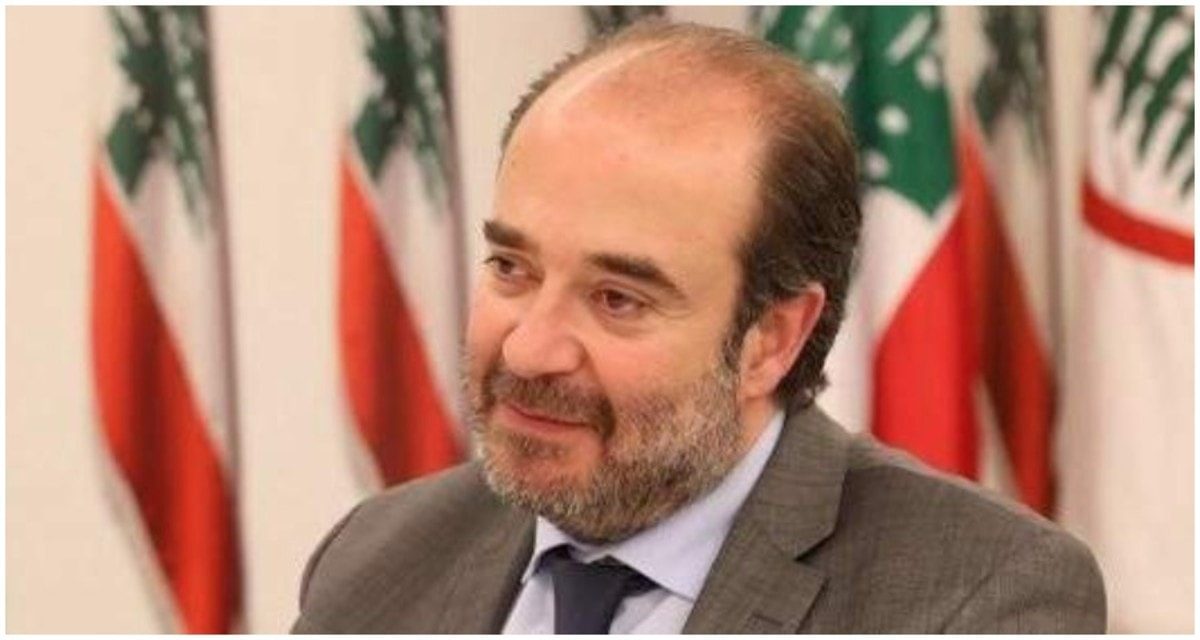
Basil from Jbeil: Limits must be placed on disagreement when the nation's interest becomes threatened
18:38 · 04 October 2026
8 min read
The head of the Free Patriotic Movement, MP Gebran Bassil, stressed that “political disagreement cannot turn into disdain for the sacrifices and testimonies of others,” stressing “the necessity of setting limits to disagreement when the interests of the nation and society become threatened.”
During his tour in the Jbeil district, Bassil said: “Yesterday we were in a place where I was telling people that we agree with them on matters in politics, and on other matters we do not agree with them. And if they are citizens and our partners in a country where we live with them, how could I think of mocking them, their sacrifices, or their testimonies?”
He added: "It is foolishness for someone to think that the movement can underestimate the sacrifices of these people, not appreciate them, honor them, and bow to them, and pay a price in politics and popularity so as not to leave the people of his country prey to aggression from outside the country."
Bassil continued: "I told them that what you are experiencing is not small, and its magnitude is great, not only for you, but for the country and for the coming years, because it does not only destroy a home or displace the people of the South, but we are all destroyed along with our homeland."
He added that he heard an answer saying: “We were created to die as martyrs,” commenting: “How great is the person who thinks in this way and martyrs for the sake of the cause.”
He said: “We revere the martyrs of the Lebanese Army because they were martyred for the sake of the nation, not for a specific ideology, and because the military defends the nation. Therefore, if we disagree with someone in his case, when his son is martyred we respect his martyrdom, so what if he is a son of the army who is martyred for the sake of the nation?”
Regarding the amnesty law, Bassil said: “When we reject an amnesty law, it is not because it acquits an oppressed person, but because it acquits all the guilty, including those who killed the soldier and the officer and those who belittle his killing. Once he is acquitted, it is as if we are saying that this injustice and this testimony are worthless and meaningless.”
He stressed, "When we see that there are those who gave their lives for us to survive, we do not have the right to neglect this matter," adding: "In Ghalboun, no matter how different we are, we must think that Ghalboun, Byblos, the movement, and Lebanon are more important than us. We have the right to compete and aspire, but we do not have the right to be sabotaged when we compete."
He added: "It did not negatively affect us in the Christian community in the first place except our differences, which do not stop at the limits of respect for the interest of the community that we defend, and it did not destroy us in the country except that our differences have no limits when it comes to the interest of the country."
He said: "It is not permissible for the dispute to prevail over a person's interest in preserving his town. Do you want to know how a representative or official can build a nation? Look first at his village. If he cannot improve in his village and among the people around him, how will he care about the larger circle? Therefore, every individual can have a contribution when thinking about a new culture."
Bassil's stances came during a visit to the Jbeil District, which he began in the town of Beja, where the Vice President of the Free Patriotic Movement for Relations with Foreign Parties, Dr. Naji Hayek, held a celebration in his honor at his home, in the presence of a number of the townspeople and its activists. Bassil had a speech in which he said: "There is nothing more beautiful than this morning in an estate we know and with people we know, most of them personally."
He added: "Every time I pass by Jbeil and near Qornet al-Rum, I become more happy. All of Jbeil is beautiful and all of Batroun is beautiful. The nature of our country is beautiful, and when a person lives in it, he knows the value of the land, the people, and history."
He touched on the tribute that was held in Batroun the previous day, and said: “Yesterday we honored people in Batroun for their contributions that go back hundreds of years. The nation suffered to survive, and every individual struggled in his own way, starting with Father Michel Hayek, who struggled with his thought and left a great legacy, and left behind a young man, “Qabai.”
He added: “The truth is that there are no longer many people who know how to combine kindness, boldness, strength and thought, and all of these are present in Naji Hayek, and that is why he is so valuable to us. Sometimes we differ in expression, but in the end we all adhere, and the richness of the movement, like Lebanon, is diverse.”
He continued: "There is a village in which there is Father Michel Hayek, and there is Brigadier General Fares, the son of the military establishment, and there is Ragheb, and these are all people who gave, and some of them were martyred and some of them struggled. There are strong ties between us and there are also differences, and we must distinguish when to put an end to the difference. Each one expresses in his own way, but in the end when the story reaches the issue and the greater interest, we must know how much the disagreement harms and hurts."
Bassil added: "This is a price we pay in the country at the national level and at the Christian level, because some do not know how to distinguish where we should stand and where we should submit."
He stressed that "Beja is a symbol of the movement," and said: "It is forbidden to waste our strength on differences that we can overcome, whether in the municipality or within the movement, when we are all threatened by our existence."
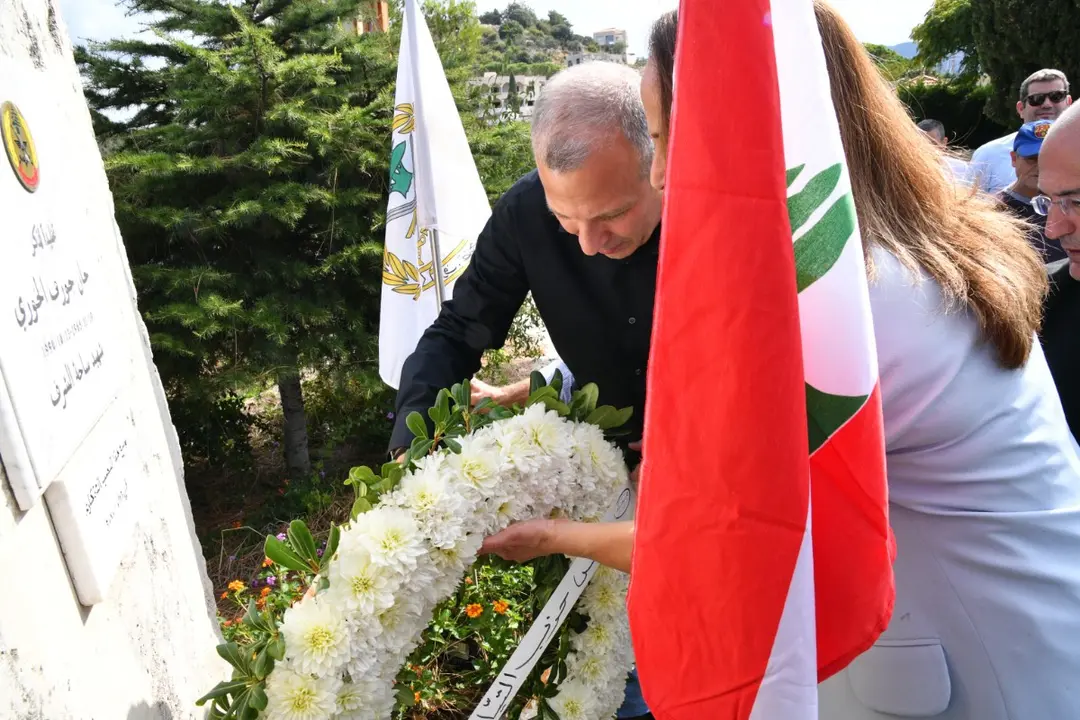
After that, Bassil moved to the town of Ghalboun, where he participated in the race for the martyr of the Square of Honor, Jean-Joseph El-Khoury, and at the end of the marathon, he held a meeting with the people of the town.
He said: “A sweet Friday, in a sweet village, and on a sweet occasion, even if it contains sadness and bitterness, but it contains passion and dignity. This is Ghalboun, this is Byblos, and this is the army institution that the people of Ghalboun know how much they love.”
He added: "The people of Ghalboun, like the people of Jbeil, are contributing people who believe in their country and their state and believe in legitimacy, and from here they have always been with their army against any militia that extends its hand to their army."
He pointed out that "this is the second year and the second edition of the marathon, which is organized by the movement's coordinator, Katia Khoury."
He said: "What you are doing prompts us to remember a martyr. We can remember a martyr with a word, a monument, a wreath, planting a tree or a sports race in which we teach young people how to commit to a cause and a country."
He continued: "In our generation, we used to say, 'Aoun's generation, we are the fighters. Many of those who defeated stood with us during the days of struggle, and also from the Al-Khoury family and from all the families that stood with us.'"
Bassil recalled the stage of political struggle, saying: “We remember the Museum Road, and we were collecting money to pay for the release of young people. It was an honor for us to be arrested because we defend Lebanon’s sovereignty.”
He pointed out, "We considered it an honor for the youth of the movement to go to prison because they are struggling."
Bassil concluded: "We hope that every year someone will run and remember a martyr who gave his life so that we could remain alive and free. When there are people who made sacrifices, we have no right to neglect their sacrifices."
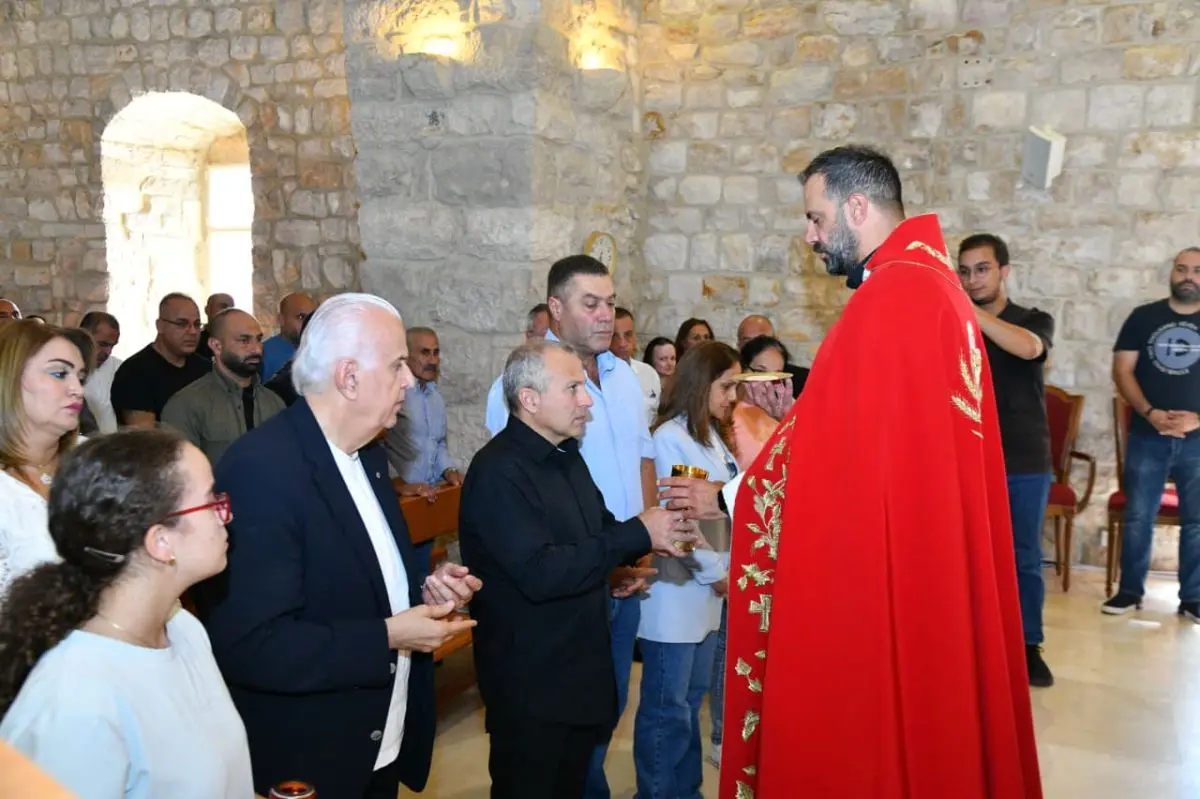
In addition, Basil participated in the Divine Liturgy, which was presided over by Father Elie Lahoud, in the presence of the Mayor of Byblos, Nathalie Marai Al-Khoury, the mayor, Engineer Elie Gabriel, and the mayor, Walid Rizk.
In this story:
Gebran Bassil
Media
← Previous article
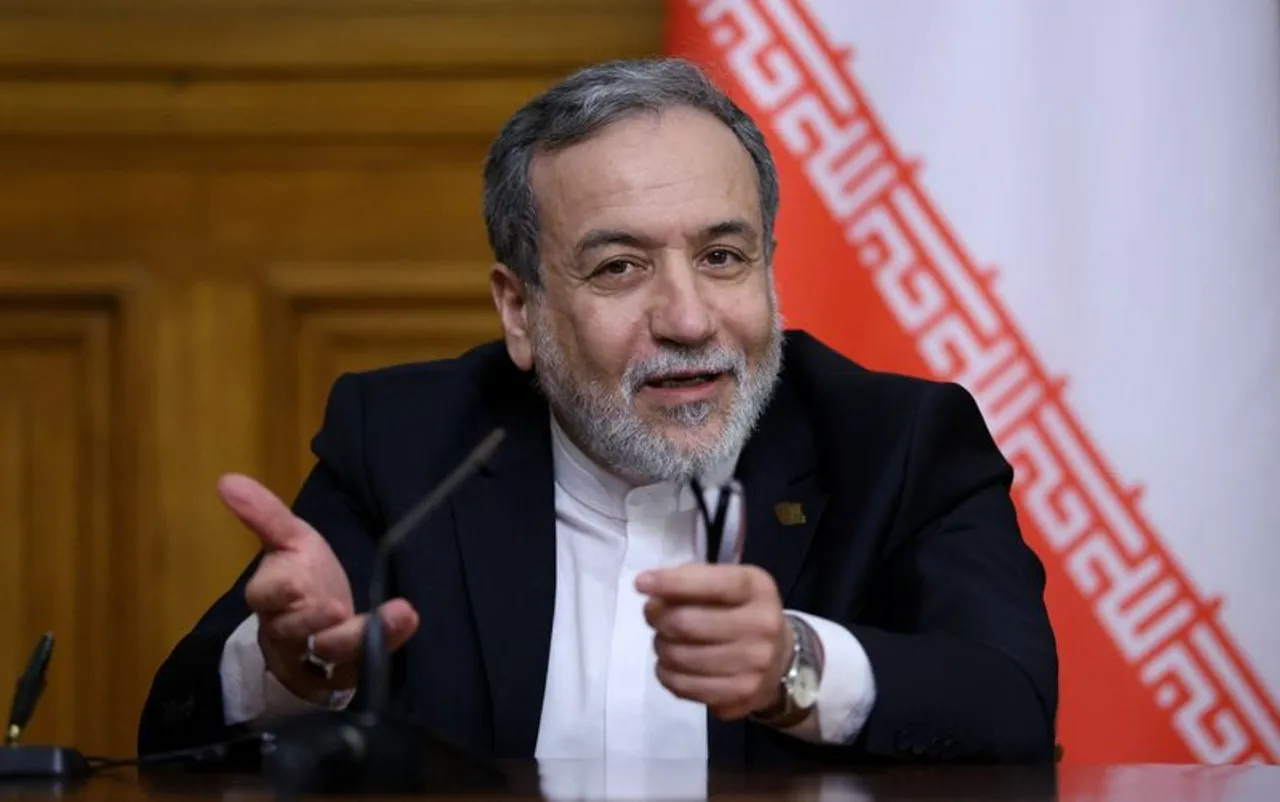
Araghchi: There is no solution to war... and we will respond forcefully to any attack
Related Articles
$200 million to Hezbollah...the first Iranian support during the war
Salam: There is no sovereignty by deciding to go to war outside the state... and Taif applies in all its provisions
Naeem Qassem: We are ready to cooperate on internal issues in accordance with the established constitutional frameworks without external dictates