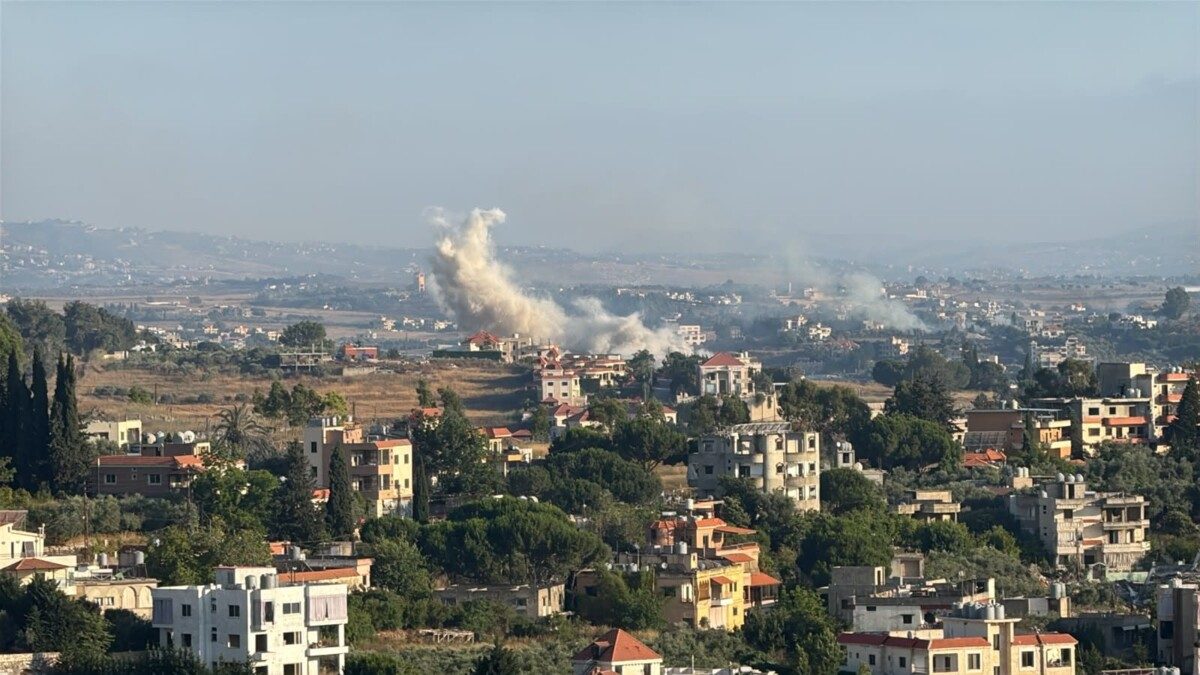
An Israeli officer reveals new details about the assassination of Nasrallah
11:54 · 27 September 2026
3 min read
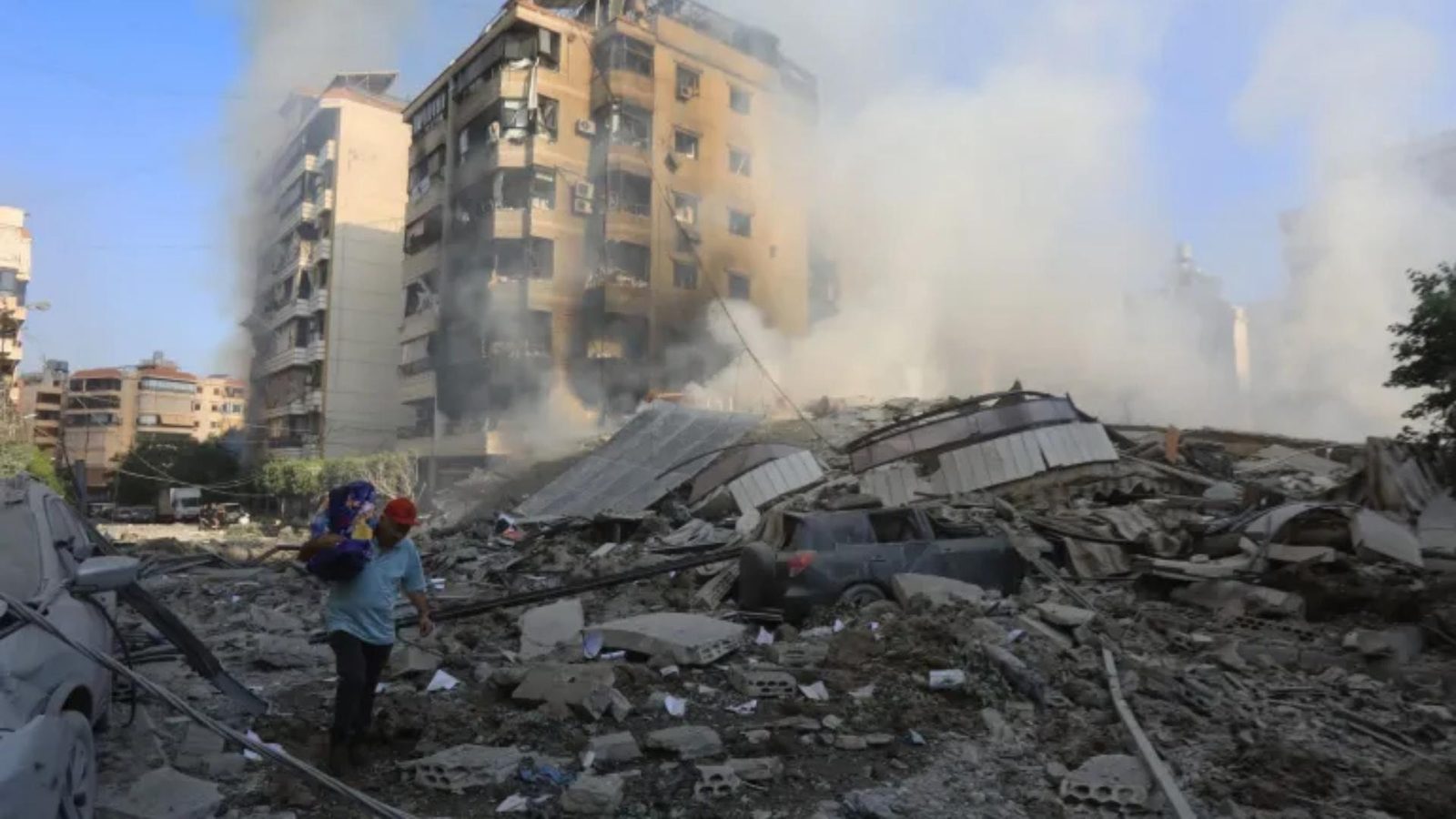
An Israeli reserve officer revealed new details about the raid that assassinated the former Secretary-General of Hezbollah, Sayyed Hassan Nasrallah, in the southern suburb of Beirut, on September 27, 2024. He said that the Israeli army planned to prevent rescue teams from reaching the site after the bombing, in case Nasrallah would remain alive under the rubble.
The newspaper "Jerusalem Post" quoted the officer, who was identified by the letter "S" and said that he took over the management of the target bank in an Air Force unit, that Israeli planes dropped 83 bombs on the compound where Nasrallah was located. The details of what happened after the raid are based on the officer’s account, and the newspaper did not provide independent documentation of the targeting of rescue vehicles or the number of bombs.
The officer said that, before carrying out the operation, he consulted an official in an Israeli rescue unit about the time required for a professional team to reach people trapped in a site that suffered similar destruction. According to his narration, the time was estimated at about 6 hours, so he concluded that it was necessary to prevent approaching the place for a double period.
He added that the goal was to confirm Nasrallah's death, whether as a result of direct injury or, if he survived, due to bleeding or lack of oxygen while remaining under the rubble. This statement constitutes the most prominent feature of the new report, as it addresses what the officer says was part of the operation plan after the bombs were dropped, and not the raid alone.
According to the officer, after the bombing, the Israeli army spotted a motorcycle arriving in the area and people trying to approach the site through a nearby opening. He said that a bulldozer later arrived to remove the rubble and was bombed, then a second bulldozer that arrived later was targeted.
The testimonies conveyed in the report did not include identification of the people who attempted to reach the site or the operators of the two bulldozers, and the sequence of these events was not independently verified. Therefore, the details of targeting the rubble removal mechanisms remain attributed to the Israeli officer.
The officer said that Israel had monitored Nasrallah for a long time, and knew the apartments in which he lived, the places where he sought refuge, and sites prepared for use in emergency situations. He added that Nasrallah did not spend all his time underground, and that he sometimes stayed in an apartment on the eighth floor of a residential building in the suburb, which allowed him quick access to a fortified place.
According to his account, the operation’s planners had envisioned targeting Nasrallah in more than one building or shelter, while on the day of his assassination there were “more fortified” sites in front of him than the complex to which he headed.
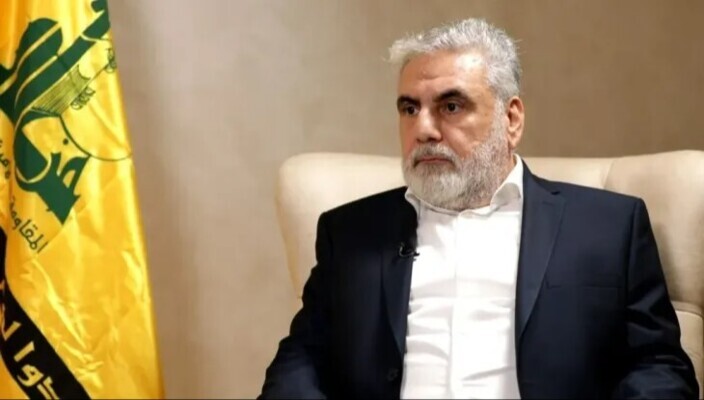
The Jerusalem Post report also addressed a series of assassinations of Hezbollah field commanders before Nasrallah's killing, considering that they weakened the network of leadership and operational knowledge within the party. Part of this presentation was based on Lebanese accounts and previous statements, including testimonies from the party’s Liaison and Coordination Unit official, Wafiq Safa, about the impact of detonating pager devices on Nasrallah.
The report also conveyed estimates by Israeli officials that Hezbollah is still facing difficulties in rebuilding its leadership and military structure after two years.
In this story:
Hassan Nasrallah
← Previous article
Al-Moussawi in response to Bassil: No one loves him...and his words are flawed
Related Articles
Thwarting the smuggling of explosives from Syria to Lebanon... 245 kg of TNT in the hands of the army

Decision regarding massage activities... Public Security: Prohibited for non-medical purposes without approval
Army: We call on the deserting soldiers to settle their situations