President Aoun: There is no civil war
12:05 · 25 March 2026
4 min read
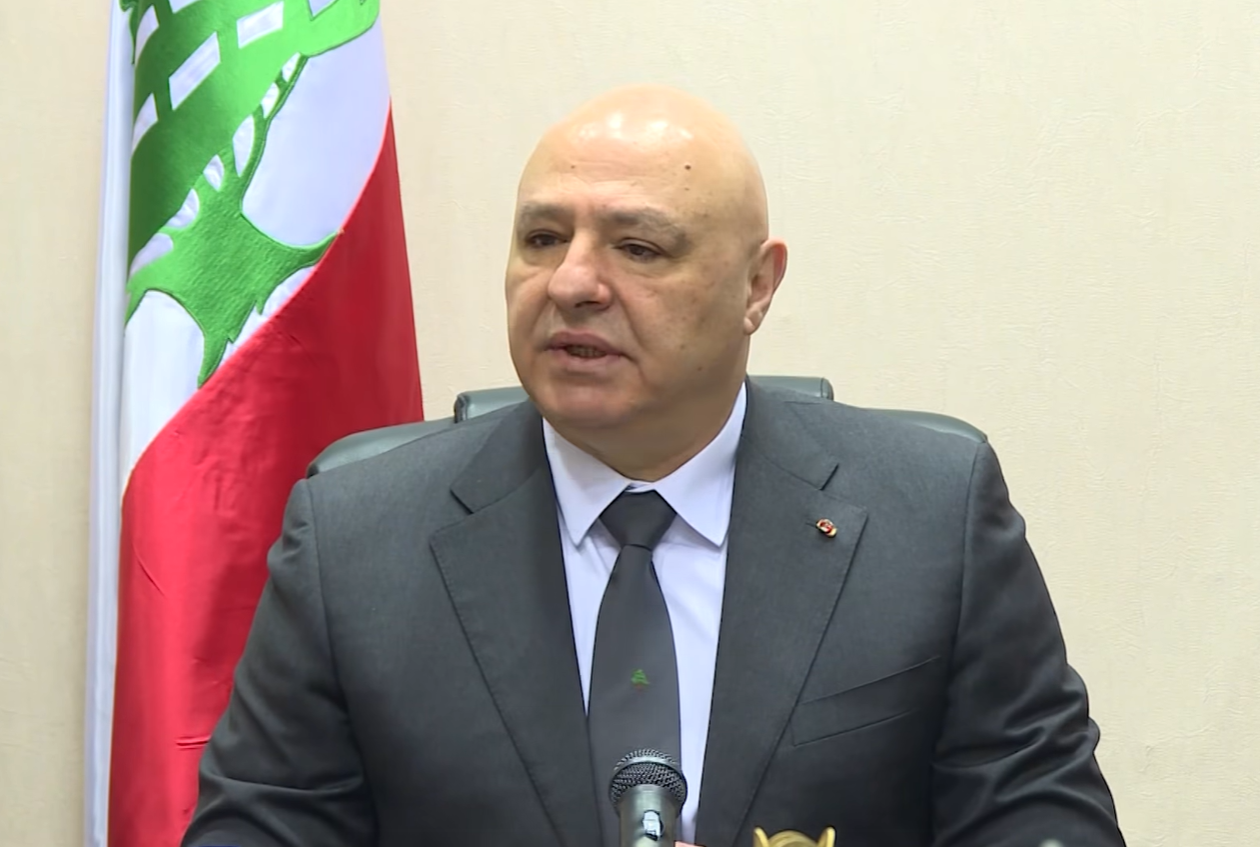
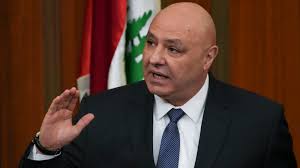
President Joseph Aoun sent a quick message to the Lebanese through Al-Nahar newspaper as a reassurance: “There is no civil war and no return to its chapters. Circumstances today are different from those in the 1970s.”
As a result of the open war from Iran to Lebanon, hot issues are being brought to the table of the President of the Republic, Joseph Aoun, and despite the uncertain atmosphere in which the citizens are living, an-Nahar sends a message to the Lebanese: “There is no civil war and no return to its chapters.”
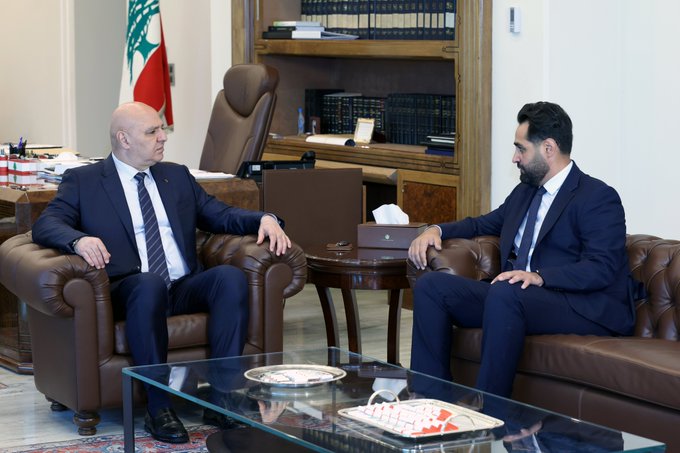
Aoun also begins his diary by monitoring the situation in the south and in the rest of the regions, stopping at the point of Israeli attacks, and addressing the issue of the displaced in Beirut and the regions, and giving the concerned authorities the utmost importance in coordination with the Prime Minister and President Nabih Berri, while the lines of communication between the First Presidency and Hezbollah continue to be cut off.
Berri is keen to fortify the "internal bridges" and tells everyone concerned that in the first minute the shooting stops, the displaced will head to their towns and "they can only live on its soil." The two reject the repulsive statements from both sides.
In contrast to the pessimistic climate and waiting for the outcome of US-Iranian contacts, officials in Lebanon received messages that included Lebanon, and Hezbollah will not be far from them. The following parties say that the negotiations, even under the table, directly or through friendly diplomatic channels between Washington and Tehran, have already begun to complete what they reached before the war at the level of deciding the fate of the nuclear and missile program and outstanding issues related to both parties, as well as the Gulf states, which have widened the gap between them and Iran.
Officials in Lebanon expect that the Hezbollah file will not be far from this settlement.
In the meantime, the Presidency of the Republic continues its readiness to initiate negotiations if its first conditions for a ceasefire are met. The information is that those concerned received encouraging American signals the day before yesterday while acknowledging a number of internal obstacles in Lebanon and Israel, especially since the pillars of the “deep state” in Tel Aviv do not encourage this option now, with Foreign Minister Gideon Sa’ar objecting to this step, which was accepted by Benjamin Netanyahu, who assigned his advisor Ron Dermer this mission, the circumstances of which have not yet matured, and he is working first to achieve “military gains” in the south before giving his delegation his orders to head to negotiations. Which is accepted by several capitals, most notably Washington and Paris.
Diplomatic sources are wondering what Netanyahu will decide regarding these negotiations, and whether it will deprive him of the presidency if he loses the upcoming elections in the Knesset, because his judicial file is still open in court.
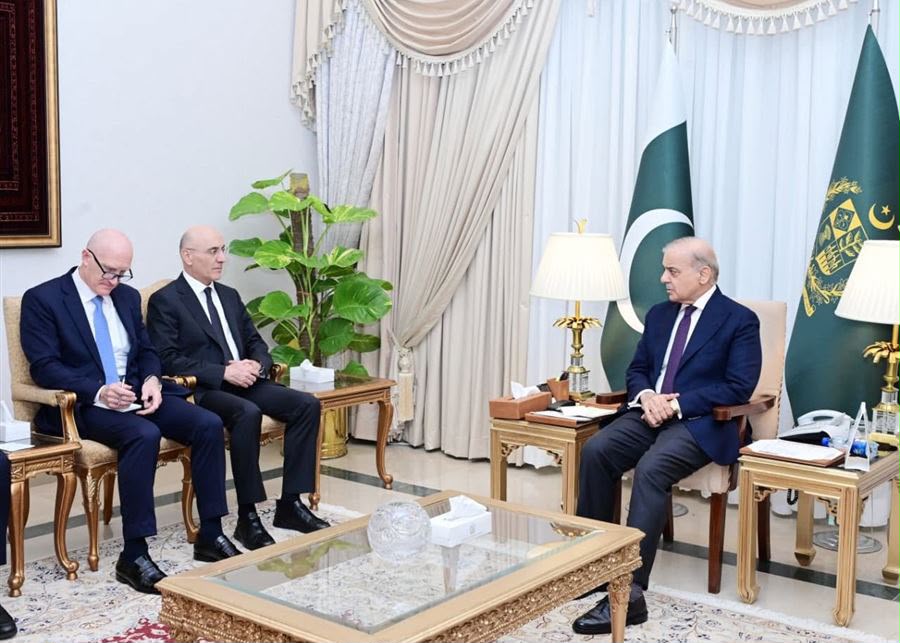
As for Lebanon, what matters to those working on the negotiating delegation is that it will remain headed by Ambassador Simon Karam, provided that it enjoys the presence and participation of state institutions at the level of the first and third presidencies first.
This issue was being followed up between Aoun and Berri, with enthusiasm for this option from President Nawaf Salam.
The President of the Council still adheres to his opinion not to name a Shiite in the delegation, but he does not oppose negotiations if the war stops and the displaced return to their towns, while adhering to the “mechanism” committee.
Going back, all the delegations that have communicated with Israel directly or indirectly since the “Armistice Agreement” in 1949 have not been formed in the form of a full council. The Presidency of the Republic does not hide its coordination on various files with Berri, Walid Jumblatt, and other parties in the country to avoid all these pressures and challenges. It is noteworthy that Aoun's initiative was "made in Baabda Palace" and was received by those concerned in America and did not object to it, like the French, who presented a set of helpful ideas under the guidance of President Emmanuel Macron.
Source
النهار
← Previous article
President Aoun: Let this holiday be good news for the nation
Related Articles