Jumblatt from Baabda: Negotiation is legitimate
19:35 · 23 March 2026
4 min read
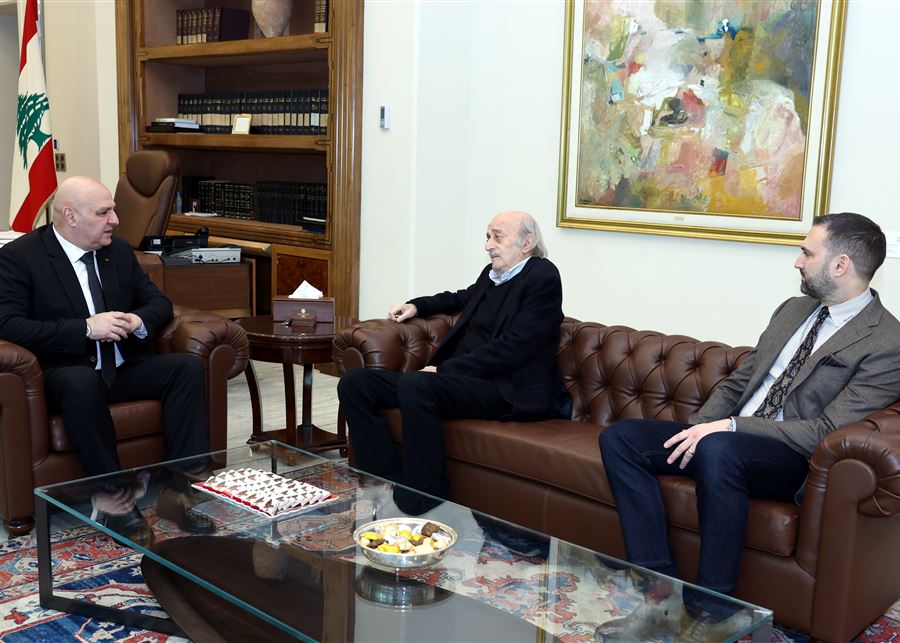
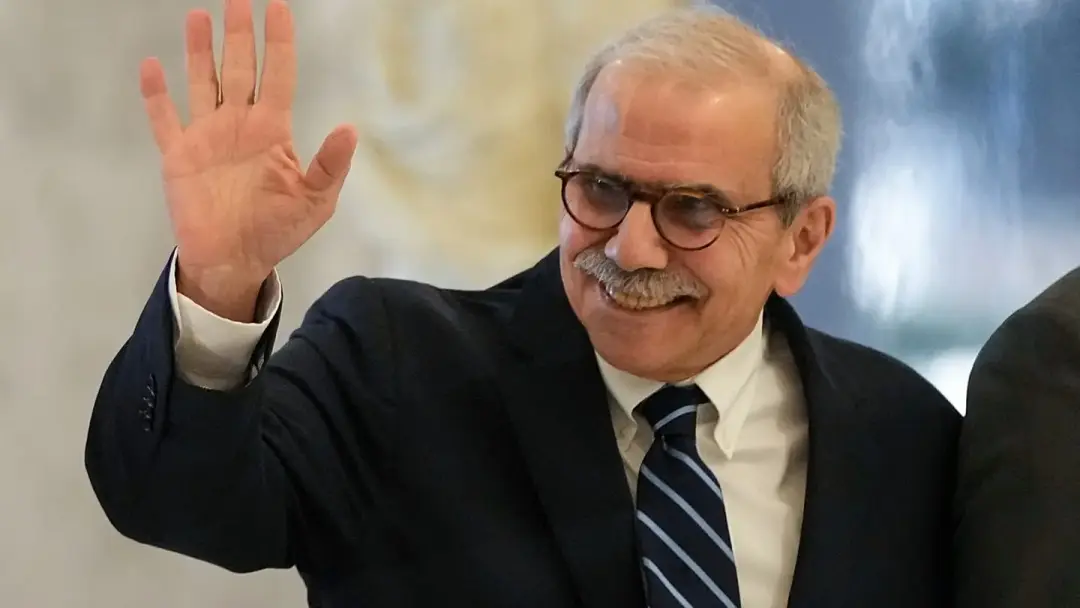
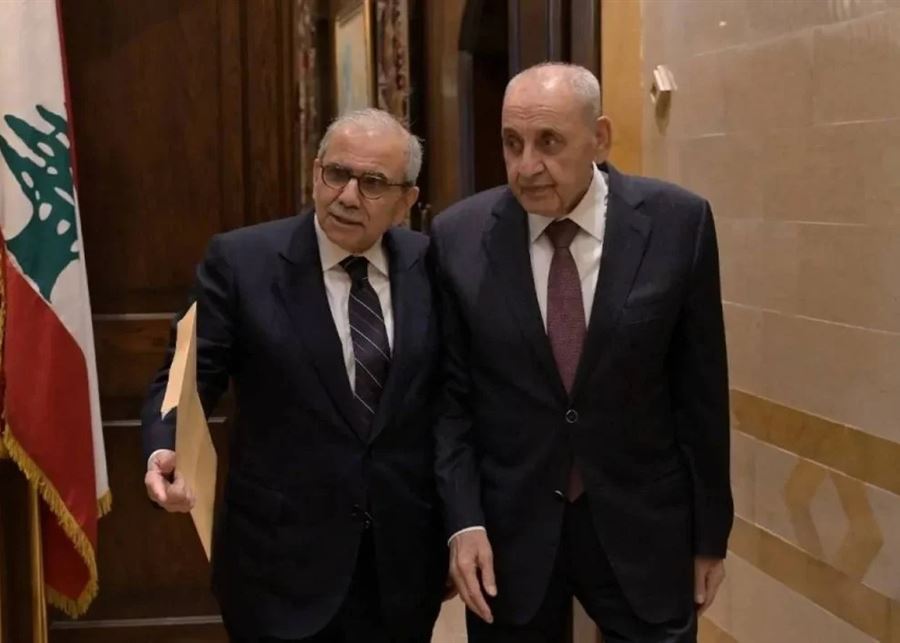
The President of the Republic, General Joseph Aoun, received at Baabda Palace this afternoon the former head of the Progressive Socialist Party, MP and former minister Walid Jumblatt, and the current head of the party, MP Taymour Jumblatt, and discussed with them the latest developments in Lebanon and the region.
After the meeting, Jumblatt spoke to journalists and said: “What happened with His Excellency the President was to review some points. With regard to negotiation, His Excellency and President Nawaf Salam were betrayed. Negotiation is legitimate if it is based on well-known foundations. The oath of office to the President of the Republic is based on the Armistice Agreement, the Taif Agreement, and international resolutions. This is a starting point if there is a need for negotiation, and negotiation is one of the globally legitimate means. As for refusing to negotiate for the sake of refusing to negotiate Using Lebanon as a battlefield is unacceptable.”
He added: "I came across a point that is very important, with regard to shelters and their centres. I thank all the authorities who care about this issue, but what is required is more, yes more. Will the issue be resolved in a few days? I personally prefer that we be alert because the matter may be long, and if the matter is over, it is over. But since global conditions are heading towards this chaos and semi-chaos, it is better for us to take precautionary measures. I applaud the foster communities and the security services." And the army. I am surprised at how, at the height of this crisis, some people are attacking the army. This is illogical and unreasonable. These are some of the points I reviewed with His Excellency the President.”
In response to a question about the acceptance of negotiation by the parties in Lebanon and its rejection by the Israeli side, he said: “I have already answered. We are starting from the Armistice Agreement, the Taif Agreement, and international resolutions. And who said that in the Israeli West Bank, does the Israeli want to negotiate? He destroys and occupies. But after that? I have gone through this experience in the past. About 44 years ago in 1982, we passed through circumstances that were not similar, but there was an Israeli invasion that arrived. To Beirut and after that? At that time, we could have talked logically with the American envoy to Lebanon, Philip Habib, who was of Lebanese origin. We hope that we will be able to dialogue logically with the American ambassador, who is of Lebanese origin, Mr. Michel Issa.
In response to a question about Israel’s condition for negotiating the withdrawal of Hezbollah’s weapons, he replied: We are not employees of the Israeli government. We are fulfilling our duties as a state, and we have fulfilled these duties and continue to do so. But today, one of our duties is: internal security, dialogue, and securing all the needs of the displaced. I suggested to His Excellency the President that we secure prefabricated homes. This is better because tents are humiliating, and they remind us of Palestine in 1949. Let us ask for prefabricated homes. The people of the south will return to their villages when the war stops, so there is no fear of that.
In response to a question about leaving Lebanon isolated alone after the war with Iran stopped, he replied: In the past, there was no justification for the American aggression or attack on Iran. I am basing my words on what the Omani Foreign Minister said about two weeks ago. He said quite frankly that we had almost reached an agreement. Why then did the aggression and attack happen? This is strange because, unfortunately, this attack exposed and exposes the entire Gulf region to near devastation. We hope there will be more seriousness this time.
He was asked whether there were armed teams of Druze sheikhs ready to confront him. He replied: There is no one armed. We are taking shelter in the state and security services, and no one is armed.
Army Commander
On the other hand, President Aoun was briefed by the Army Commander, General Rodolphe Haykal, on the security conditions in general and the situation in the south in particular in light of the data available regarding the current Israeli escalation. The President of the Republic requested strengthening security measures in various Lebanese regions, especially in Beirut, and ensuring the safety of the security of the displaced shelter centers.
← Previous article
A threat to target Al-Dalafa Bridge... What do we know about it?
Related Articles